
Last updated September 22, 2026
Level 1 sweep and inspection to the NFPA 211 annual standard - flue, crown, cap, and flashing checked and photographed
Chimney sweep logs do not sweep chimneys. They loosen some creosote - which then falls where a brush and vacuum still have to collect it.
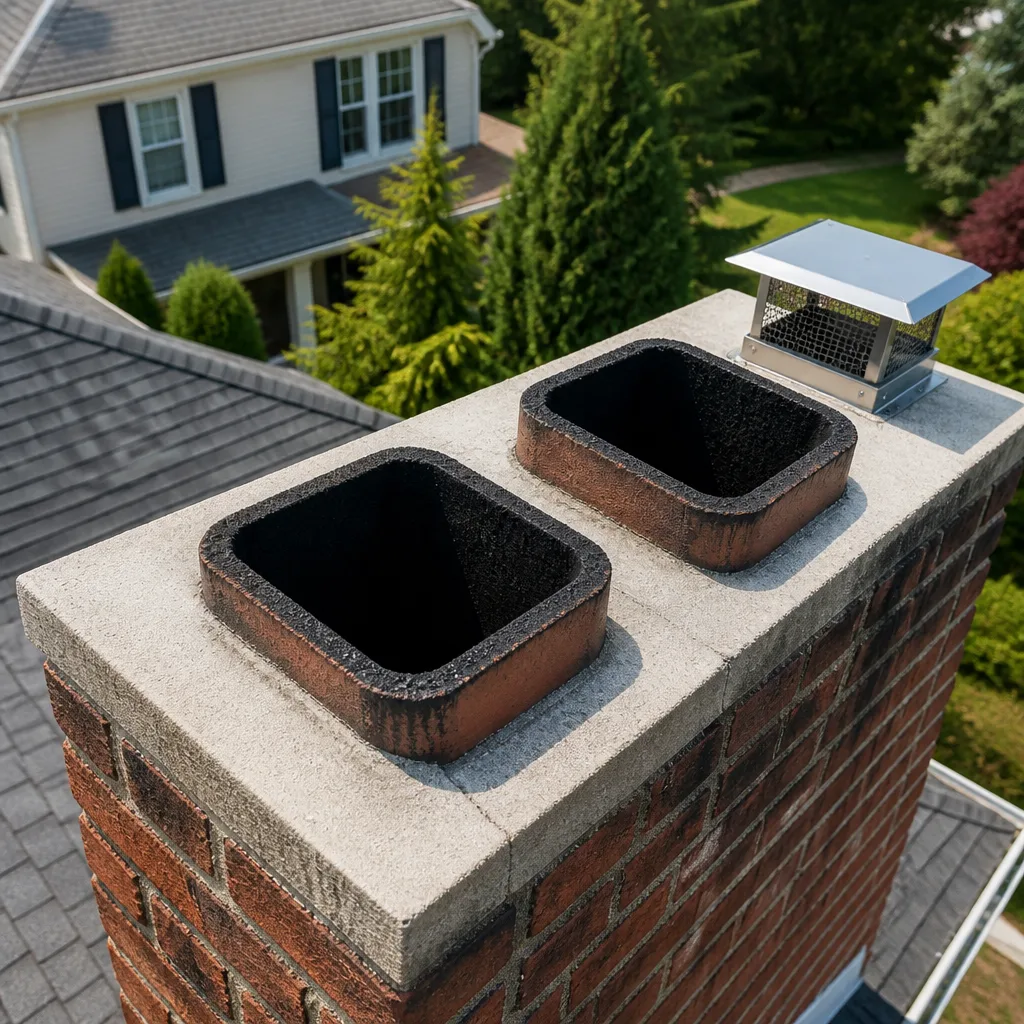
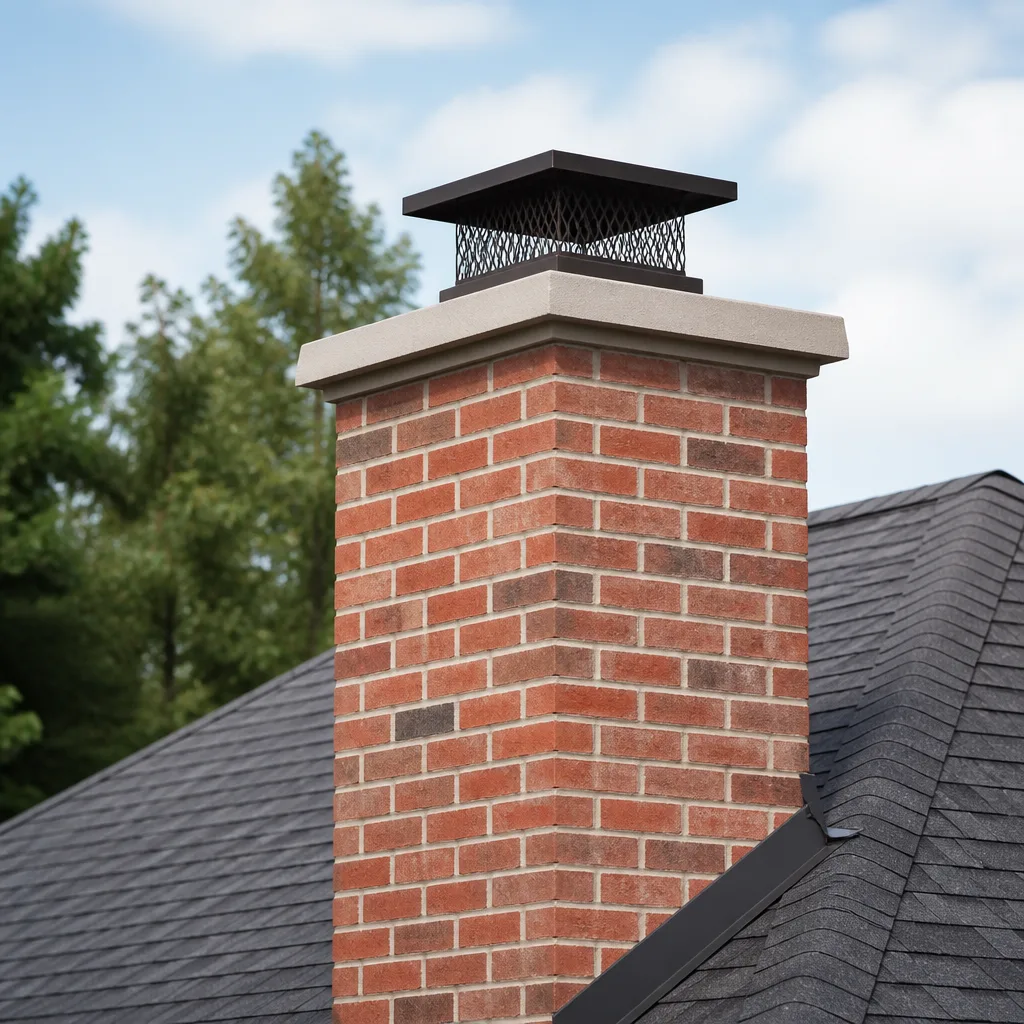
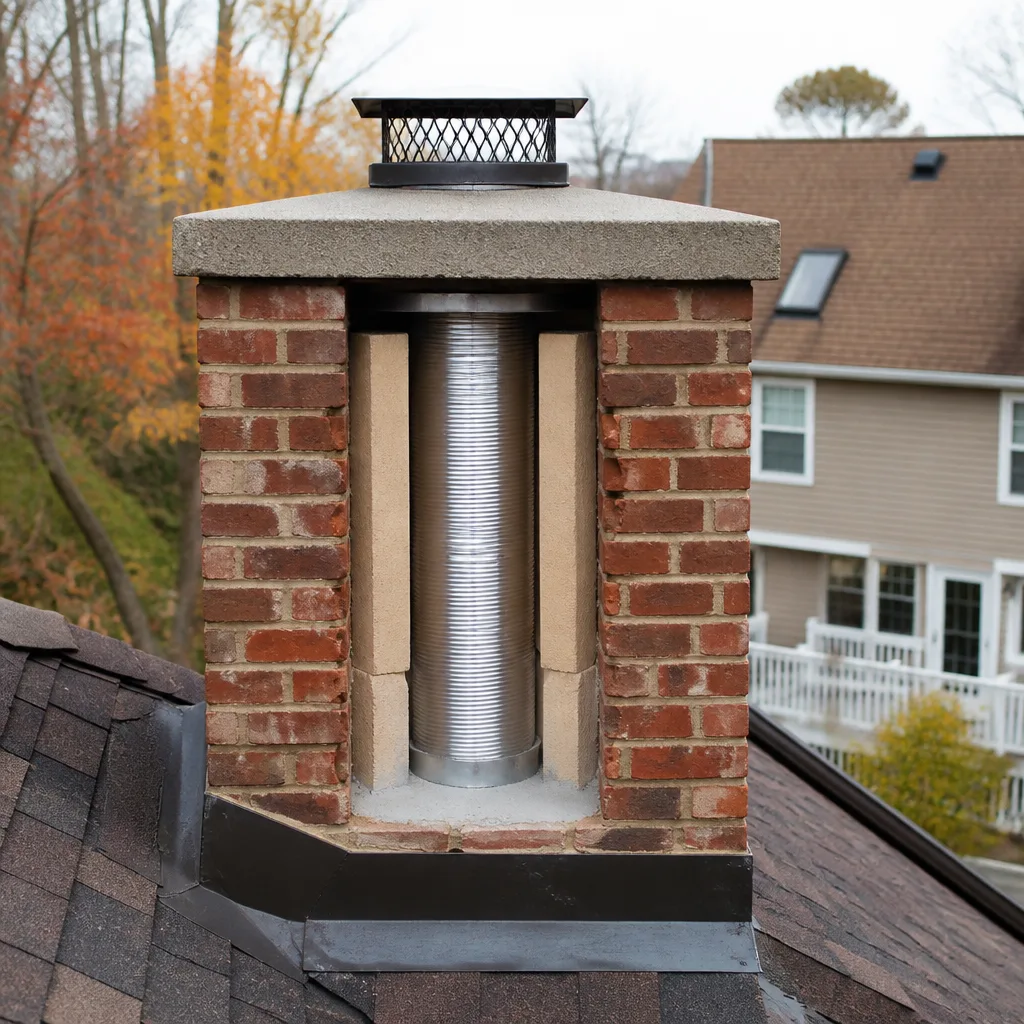
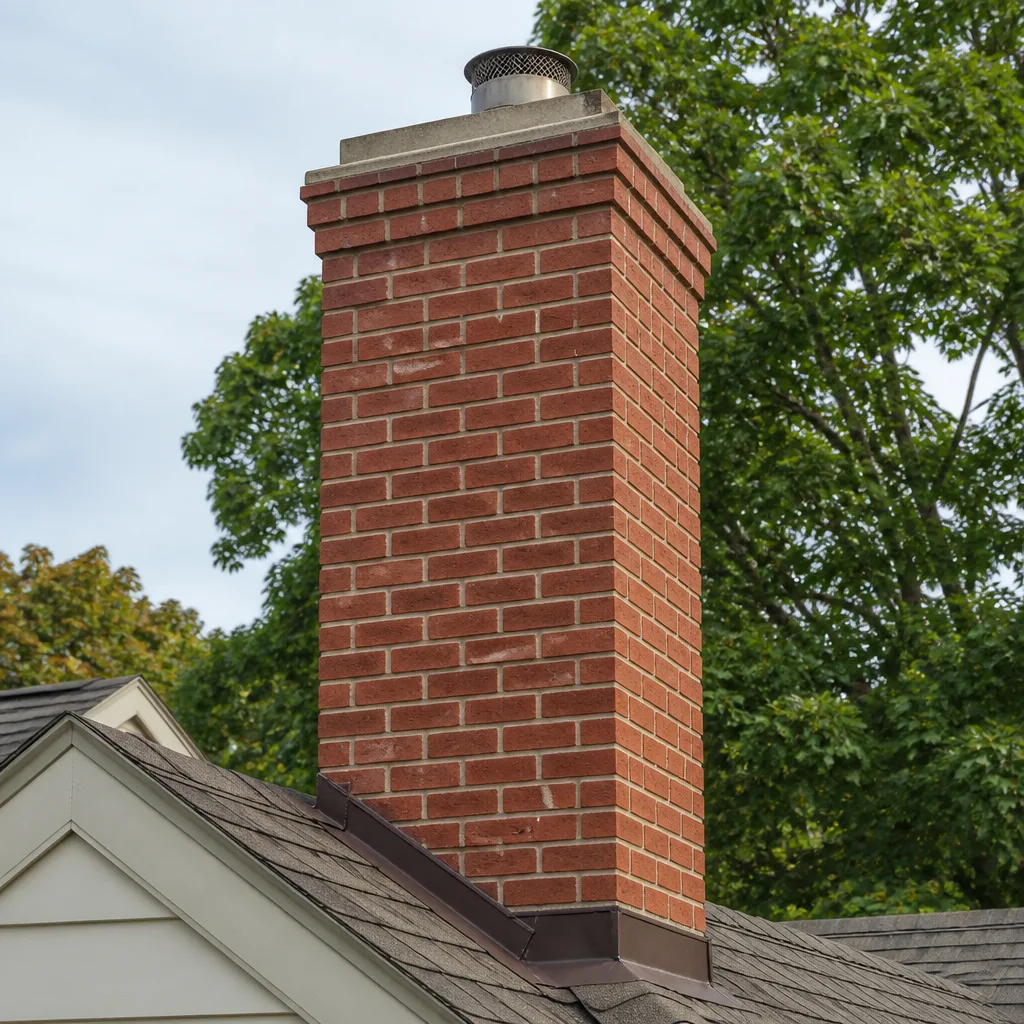
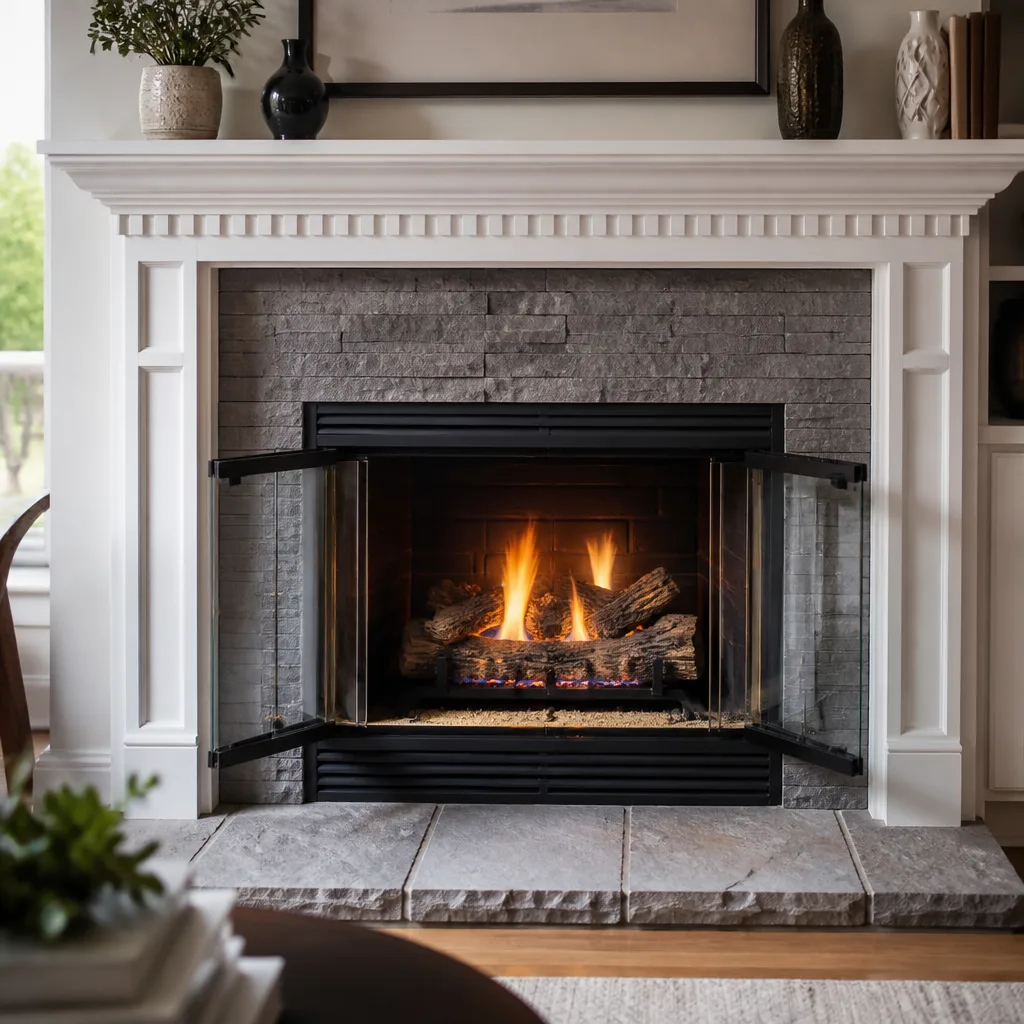
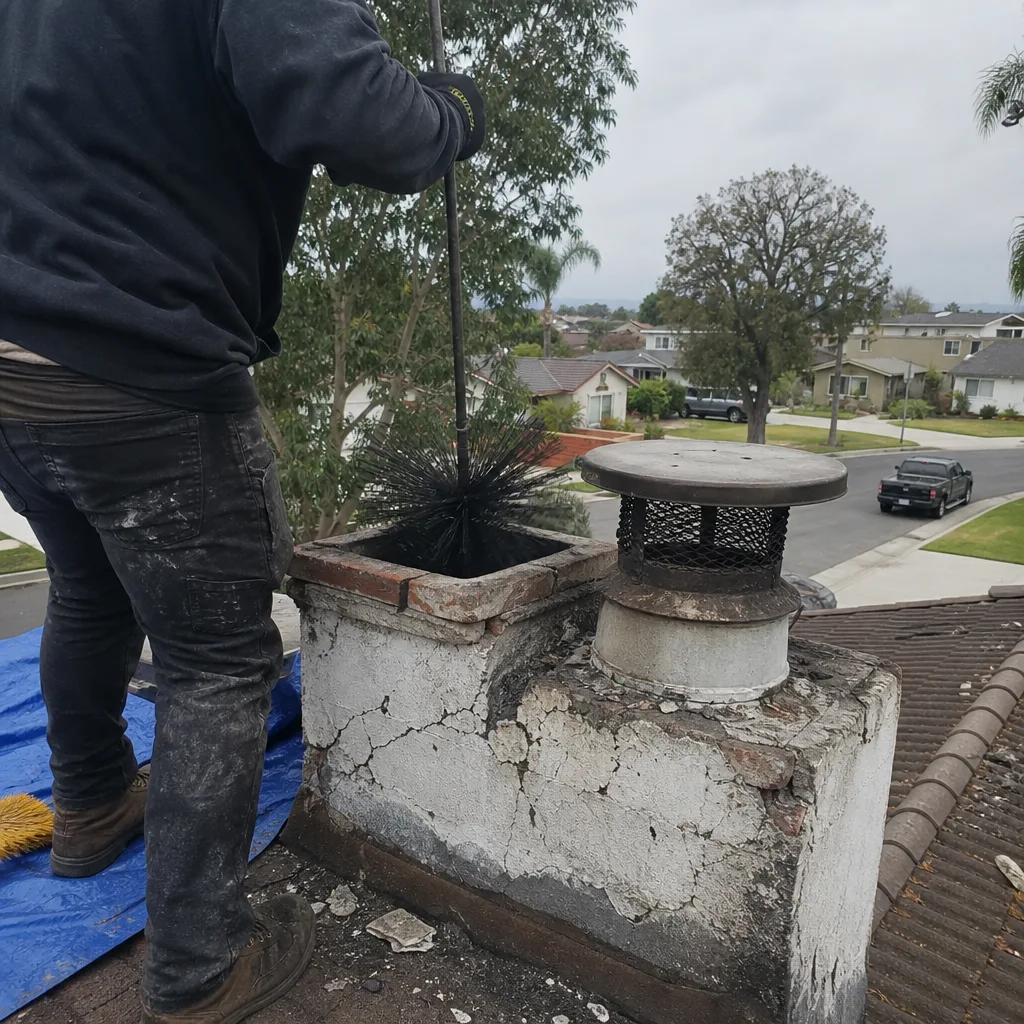 Before
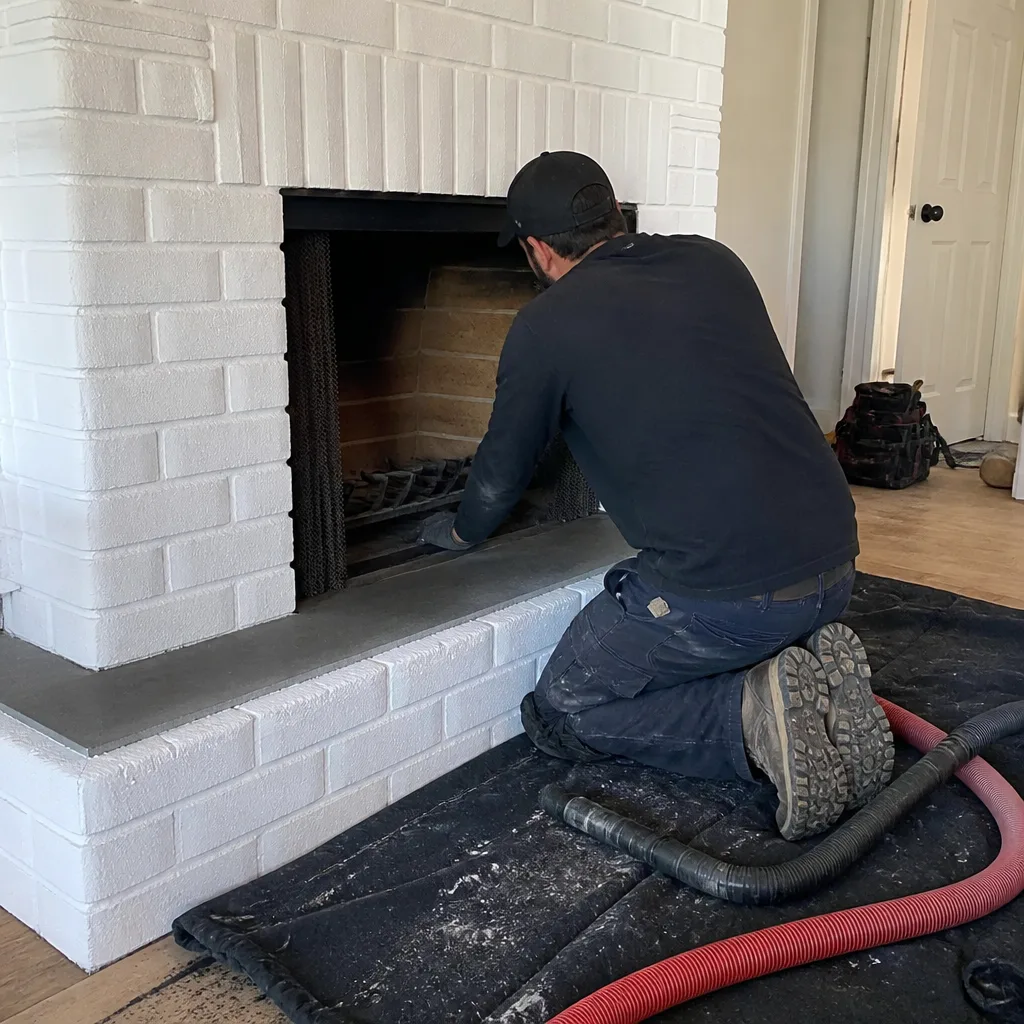 After
After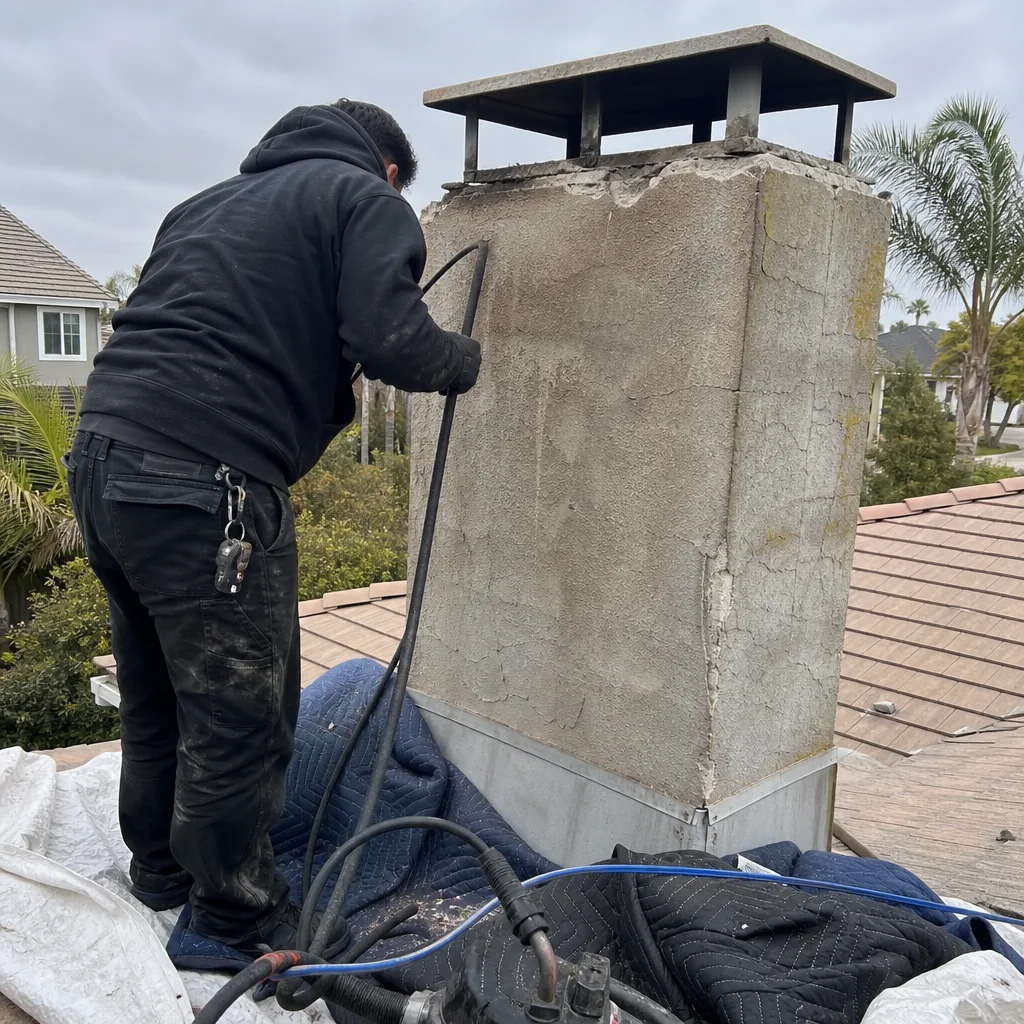 Before
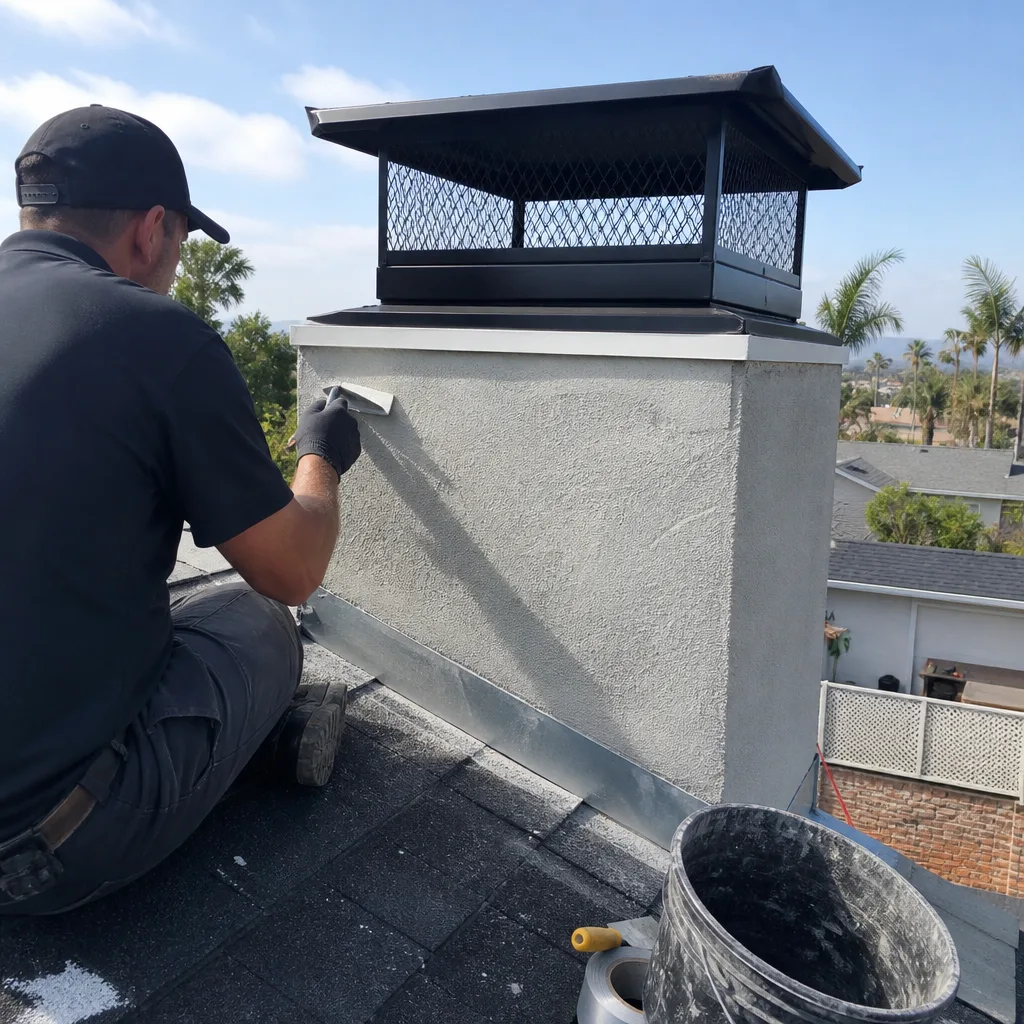 After
After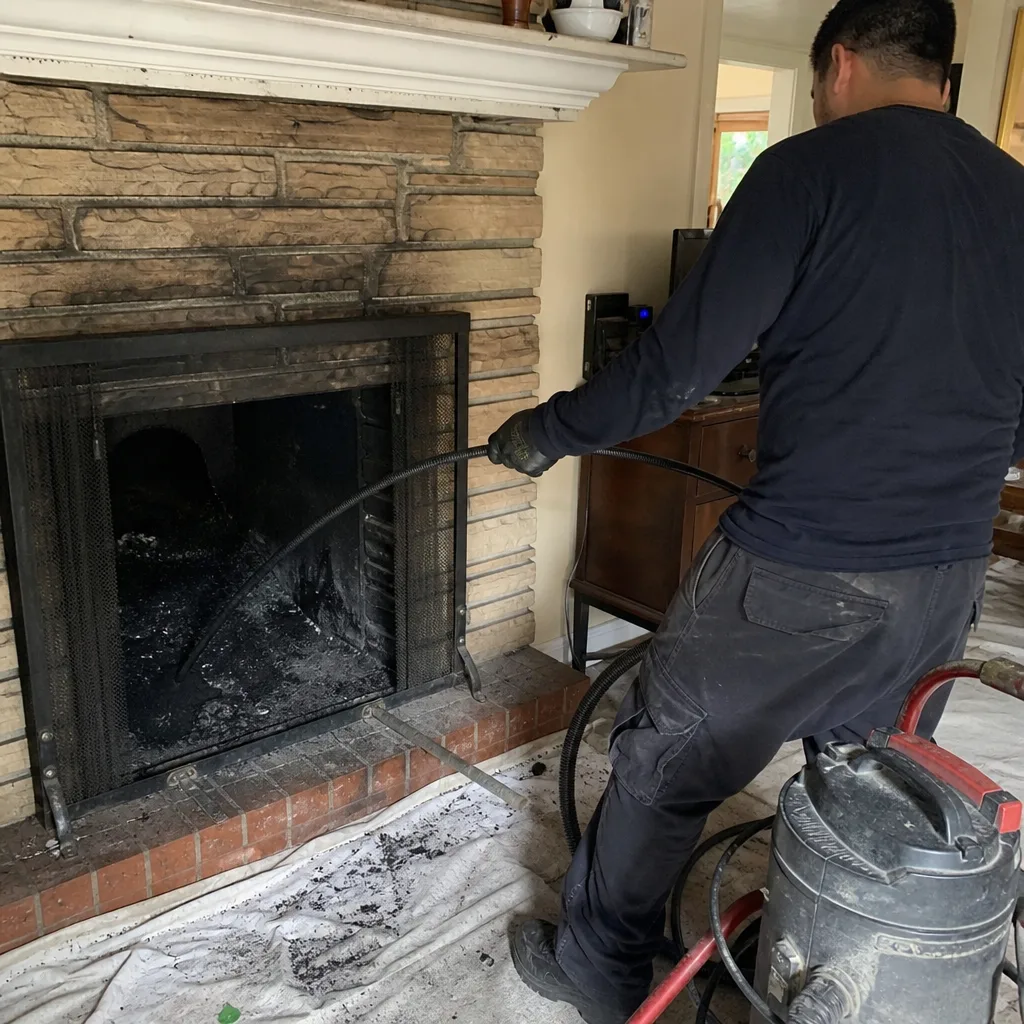 Before
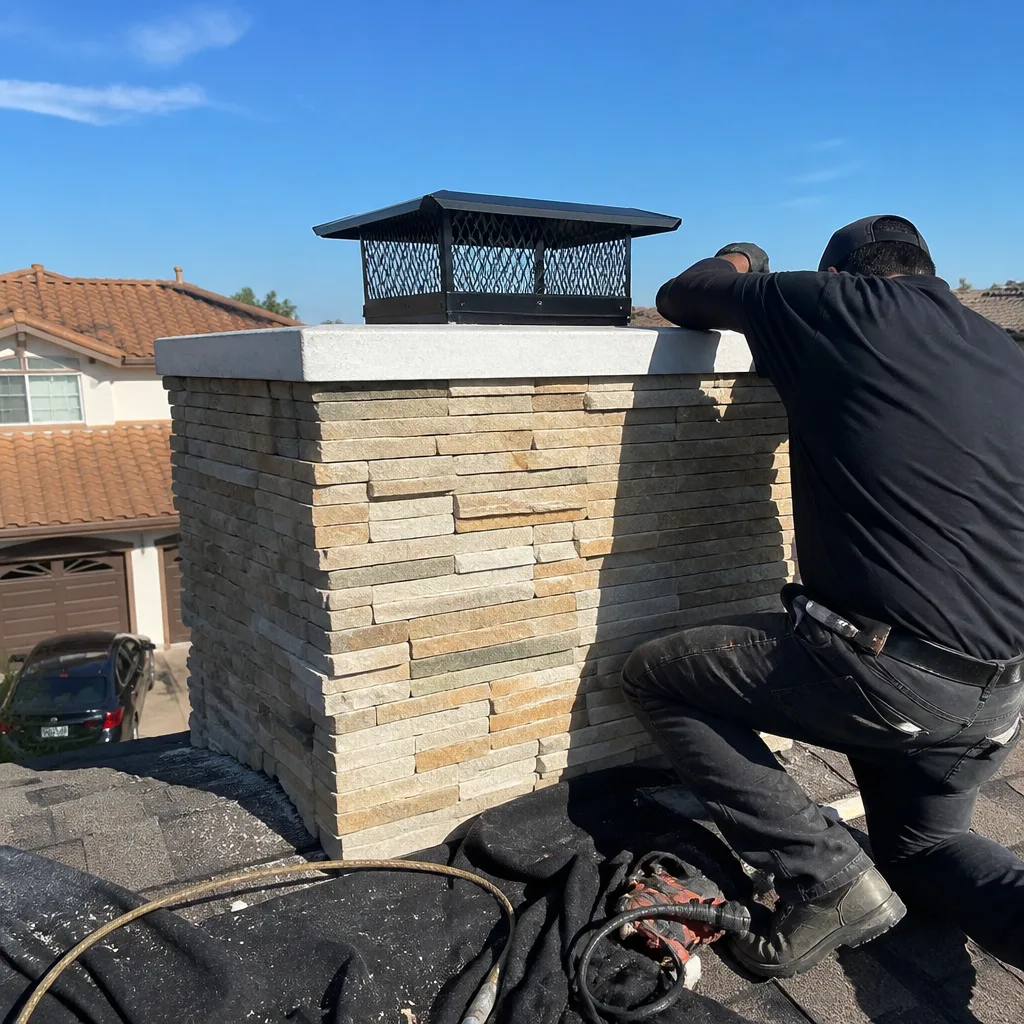 After
AfterChimney Cleaning & Sweep Maintenance Checklist for Huntington Beach Homeowners
Most chimney maintenance checklists circulating online were written for cold-climate wood-burners in the Midwest. They don’t list a single item specific to coastal salt exposure, stucco chimney crowns, or the fine ash residue from duraflame-style logs that dominate Southern California use. In Huntington Beach, your chimney faces salt-laden marine air 300-plus days a year, and the maintenance thresholds that matter here are different. This guide gives you a line-by-line checklist built around measurable pass/fail conditions, not a sweep’s verbal assurance that something “looks okay.”
Quick Answer
A proper chimney maintenance checklist for Huntington Beach homes includes three tiers: monthly owner-visual checks for cap integrity and exterior spalling, annual Chimney Cleaning & Sweep services with NFPA 211 Level 2 camera inspection and documented photo record, and camera-required evaluation after any chimney fire or real estate transfer. Each item carries a measurable threshold, such as creosote deposits exceeding 3mm or cap mesh corrosion penetrating 30% of wall thickness, that triggers specific action regardless of how often you burn.
Table of Contents
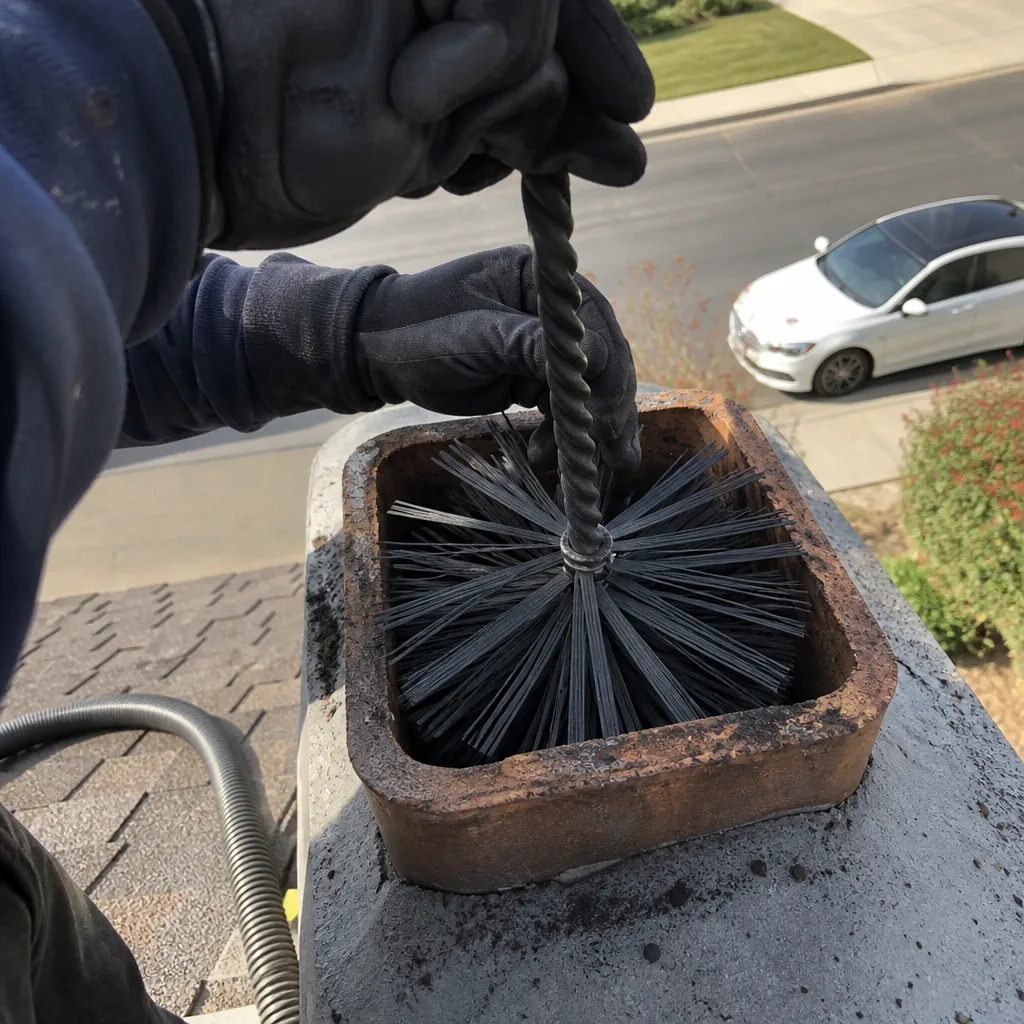
- Why Most Checklists Fail Huntington Beach Homeowners
- Monthly Owner-Visual Checklist
- Annual Sweep-Performed Items
- Camera-Required Evaluations
- Coastal-Specific Checklist Additions
- Measurable Pass/Fail Standards
- How to Store and Organize Documentation
- Checklist Items That Void Manufacturer Warranties
BeforeAfterWhy Most Checklists Fail Huntington Beach Homeowners
Generic checklists treat all chimneys like they’re venting a wood stove in Michigan. They tell you to check for “ice damming” and “heavy creosote buildup from hardwood burning.” In Huntington Beach, you’re likely burning manufactured logs a dozen times a winter, running a gas insert, or dealing with a decorative fireplace that hasn’t seen a flame since the previous owner. The maintenance risks here are salt corrosion, moisture intrusion through stucco cracks, and the hidden deterioration that happens in a flue that sits idle 340 days a year.
We’ve inspected over 38,000 chimneys since 2009, and the pattern in coastal Orange County is consistent. The chimneys that fail catastrophically aren’t the ones with heavy use. They’re the ones where a small crown crack let salt air and winter rain into the flue liner for five years unchecked. By the time the homeowner noticed a problem, the terra cotta liner had spalled (flaked apart from freeze-thaw cycling in the trapped moisture) and the repair required a stainless steel liner from DuraFlex or a full rebuild.
A checklist that works here needs three qualities:
- Measurable thresholds, not subjective judgments
- Tiered frequency that matches who performs the work
- Documentation requirements that create a transferable record
The Haven Standard, which we’ve operated under since 2009, requires Clause 4 documentation on every job: photos, written scope, written price, and written warranty. That documentation becomes your checklist’s proof of completion and your protection at point of sale.
Monthly Owner-Visual Checklist
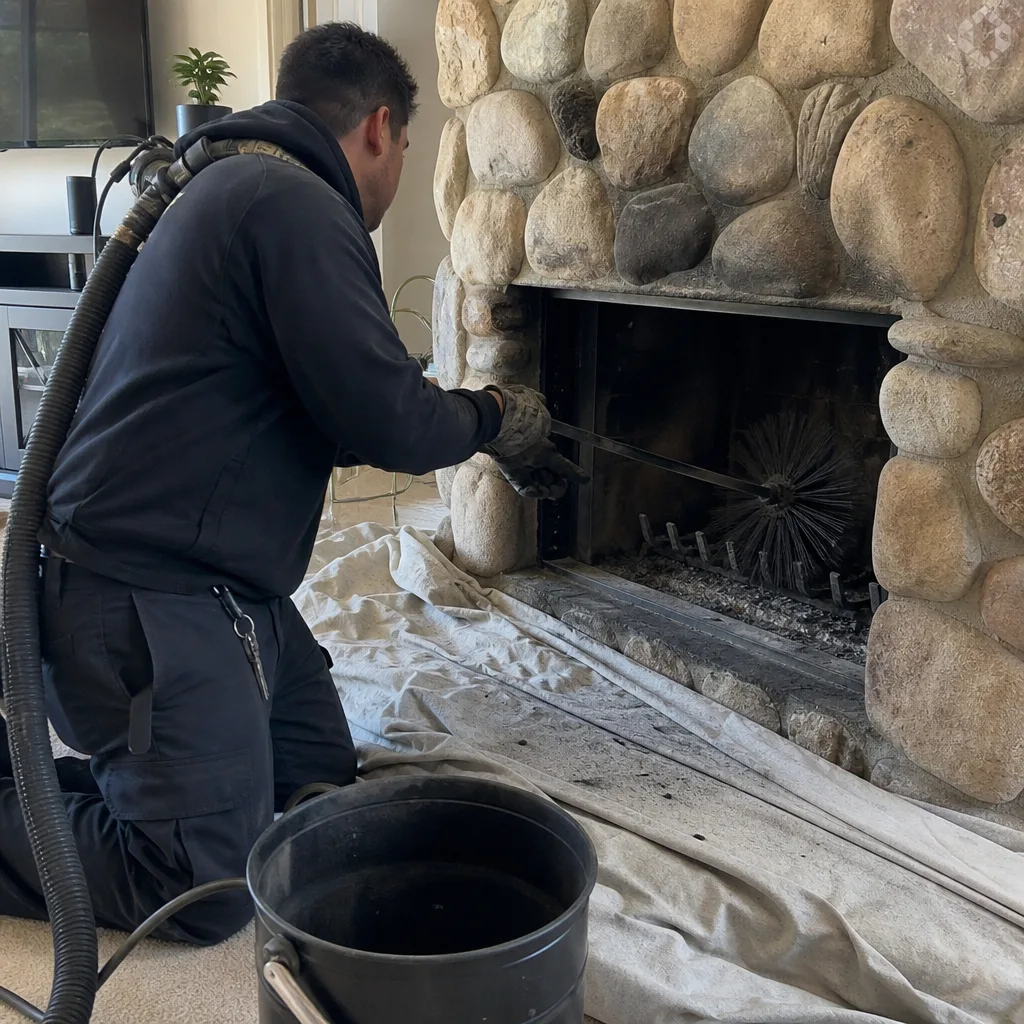
These are items any homeowner can check from the ground or with a basic flashlight. They take ten minutes. Do them monthly during burning season, quarterly otherwise.
1. Cap and Spark Arrestor Condition
Look up from the yard. The cap should sit square on the flue tile with no visible gap. Mesh sides should be intact, not rusted through. In Huntington Beach, stainless steel caps from Gelco or Olympia Chimney typically show surface oxidation (light brown discoloration) within two years. That’s normal. What’s not normal: mesh with holes you can poke a pencil through, or corrosion that has reduced wire diameter by more than 30%. Either condition allows ember escape and animal entry.
2. Crown or Chase Top Integrity
Stucco crowns are common on Huntington Beach homes built 1985-2010. Stand back and look for hairline cracks wider than 1/16 inch, or any crack that runs to the flue opening. Concrete crowns should shed water; if you see pooling after rain, the crown has settled or the wash (slope) has failed. A crown crack that reaches the flue tile is an automatic fail. Water follows that crack directly into the chimney structure.
3. Exterior Masonry and Stucco
Walk the perimeter. White powdery deposits (efflorescence) on brick or stucco mean moisture is moving through the wall and depositing salts. In coastal Huntington Beach, this is accelerated by marine air. Light brushing with your hand should not dislodge mortar or stucco. If it does, you have active spalling. Note which face of the chimney shows the most damage. South- and west-facing exposures take the brunt of salt-laden onshore flow.
4. Fireplace and Hearth Visual
Open the damper fully. Shine a flashlight up the flue. You should see light at the top (the cap silhouette). Any obstruction is a fail. Check the firebox for cracked bricks or missing mortar joints wider than 3/16 inch. Gas log sets: look for soot streaking on the logs or firebox walls. Even “soot-free” gas can produce residue if the air-fuel mixture is wrong.
5. Damper Operation
The damper should open fully and close with positive contact all around. A damper that sticks, chatters, or won’t seal creates draft problems and heat loss. Mark the handle position that gives full open and full closed.
Document anything you find with dated phone photos. These become your baseline for comparison and your evidence if a condition worsens between professional visits.
Annual Sweep-Performed Items
These require professional tools, rooftop access, and the training to evaluate what the tools reveal. Schedule annually if you burn more than one cord of wood equivalent, or every two years for gas-only or decorative fireplaces. In Huntington Beach, where many homeowners burn manufactured logs sporadically, we recommend annual inspection with cleaning as needed rather than automatic sweeping-learn more in our Complete Guide to Chimney Cleaning in Huntington Beach.
What the Sweep Performs
- NFPA 211 Level 2 Inspection. This is the camera-down-the-flue standard, not a flashlight look from the firebox. The technician runs a high-resolution camera the full length of the flue liner, recording video or still images at every joint, offset, and transition. Clause 4 of the Haven Standard requires this documentation on every job. You receive the photo record, not just a verbal summary.
- Creosote Measurement and Classification. The sweep measures deposit thickness with a flue ruler or depth gauge. Class I (sooty, brushable) under 3mm: note and monitor. Class I exceeding 3mm, or any Class II (glazed, hard) or Class III (tar-like, concentrated): cleaning required regardless of burn frequency. Manufactured logs produce fine, alkaline ash that mixes with any existing creosote and can accelerate corrosion. Don’t assume “I only burn duraflame” means no buildup.
- Liner Condition Assessment. Terra cotta liners: check for spalling, cracking, or missing tile sections. Stainless steel liners (DuraFlex is common in retrofits): check for deformation, seam separation, or corrosion pitting. Any gap in liner continuity that exposes masonry to flue gases is an automatic fail.
- Smoke Chamber and Throat Evaluation. The smoke chamber (the area above the damper, below the flue) should be parged smooth. Rough, corbeled brick in this area creates turbulence and creosote accumulation points. The sweep measures the chamber depth and slope against NFPA 211 clearance requirements.
- Crown, Cap, and Flashing Close Inspection. Rooftop access allows crown thickness measurement (minimum 2 inches at thinnest point), cap fastener torque check, and flashing seal examination. In Huntington Beach, we see flashing sealant fail prematurely due to UV exposure and thermal cycling. The sweep should note sealant condition and age.
- Combustible Clearance Verification. Using a measuring tape, not estimation, the sweep confirms mantel, trim, and framing clearances to NFPA 211 standards. Previous homeowners or contractors may have modified surrounds without understanding clearance requirements.
At Chimney Cleaning & Sweep in Huntington Beach, every annual service includes the full Level 2 camera inspection and documented photo record. The written price for any recommended work is delivered before we start, per Haven Standard Clause 1.
Camera-Required Evaluations
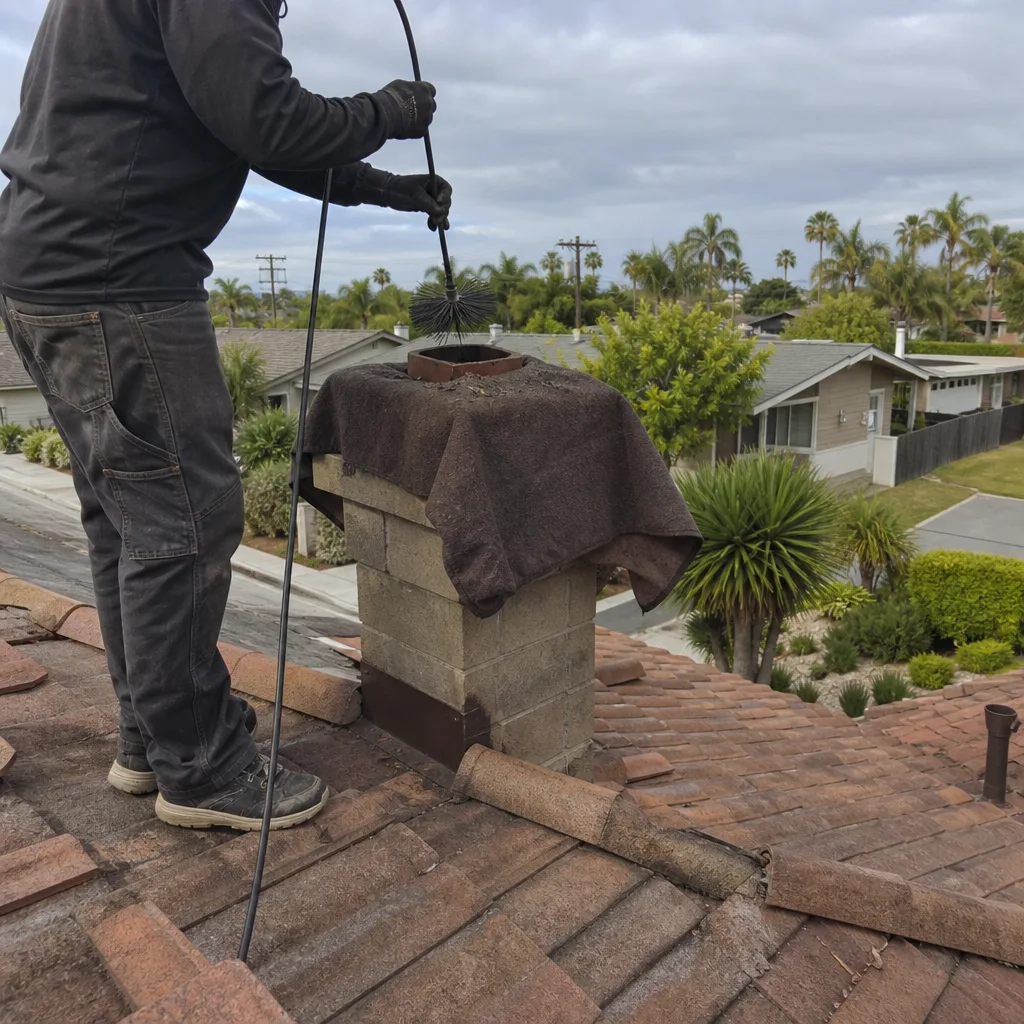
Some conditions cannot be evaluated from the firebox or roof. They require the camera, and they require it now, not at the next scheduled maintenance.
Trigger Events That Mandate Camera Evaluation
- Any chimney fire, however brief. Even a “small” flue fire can crack terra cotta or warp stainless steel. The damage may not be visible from below.
- Real estate transfer, whether you’re buying or selling. In Huntington Beach’s active market, chimney condition is a common negotiation point. A pre-listing camera inspection with documentation protects the seller from last-minute credits. A buyer’s inspection protects against inheriting a $4,000 liner replacement.
- Changes in appliance type: converting wood to gas, adding a pellet insert, or replacing a factory-built fireplace. Each appliance has specific liner and venting requirements.
- Weather events: earthquake, lightning strike, or significant wind-driven rain that may have penetrated the crown or flashing.
- Any structural work on the home that could affect chimney stability: roof replacement, second-story addition, or foundation repair.
What the Camera Reveals That Other Methods Miss
The camera shows liner joint offsets that create creosote collection points. It reveals hairline cracks in terra cotta that will propagate with heat cycling. It documents the condition of the flue at the smoke chamber transition, where most chimney fires start and where flashlight inspection is impossible.
We’ve found cracked liners in Huntington Beach homes where the owner reported “no problems, we barely use it”-one of the key Chimney Cleaning Warning Signs every Huntington Beach homeowner should know. The crack was letting carbon monoxide leak into the chase wall, undetected because the fireplace was decorative and the damper stayed closed. Camera inspection found it. Without that documentation, the condition would have persisted until a home inspection caught it at sale, or worse.
Emberly Chimney Cleaners Huntington Beach home services include camera-required evaluations with same-day documentation delivery. The photo record is yours to keep, transfer, or reference.
Coastal-Specific Checklist Additions
Huntington Beach’s marine climate creates maintenance conditions that inland checklists ignore. Add these items to your annual evaluation.
Stainless Steel Cap Corrosion Threshold
Marine-grade 304 stainless resists salt corrosion better than galvanized steel, but it’s not immune. Inspect cap mesh and lid annually for pitting that penetrates more than 10% of material thickness. Surface staining is cosmetic; pitting is structural. A pitted cap will perforate within 2-3 years. Replacement with 316 marine-grade stainless, available through our Haven buying network from Olympia Chimney or Gelco, extends service life significantly in coastal exposure.
Mortar Joint Salt Spalling
Brick chimneys within two miles of the beach show accelerated mortar deterioration from salt crystallization. The salt absorbs moisture, expands, and fractures the mortar. Check for recessed joints (more than 1/2 inch depth) or mortar that crumbles when scraped with a key. Repointing with Type N or Type S mortar formulated for coastal exposure prevents water intrusion that leads to liner damage.
Efflorescence on Exterior Chimney Chase
White crystalline deposits on stucco or brick indicate soluble salts being carried to the surface by moisture. In Huntington Beach, this is often sodium chloride from marine air combined with calcium hydroxide from mortar. Persistent efflorescence means water is moving through the chimney structure continuously. It’s not just cosmetic. The same moisture path that carries salts out can carry combustion gases in, or freeze and expand in rare cold snaps, causing spalling.
Wind-Driven Rain Intrusion Points
Huntington Beach’s prevailing westerlies drive rain horizontally into chimney features that inland homes don’t face. Check for water staining on the ceiling near the chimney breast, or on the firebox back wall. These indicate flashing failure, crown cracks, or chase cover gaps that standard rain exposure wouldn’t reveal.
Manufactured Log Residue Specifics
Duraflame and similar logs contain waxes and sawdust that burn at lower temperatures than cordwood. The result is finer ash that settles in the smoke chamber and on the damper. This residue is alkaline and can corrode metal components if left in contact. Annual inspection should include smoke chamber cleaning even when creosote is minimal.
Measurable Pass/Fail Standards
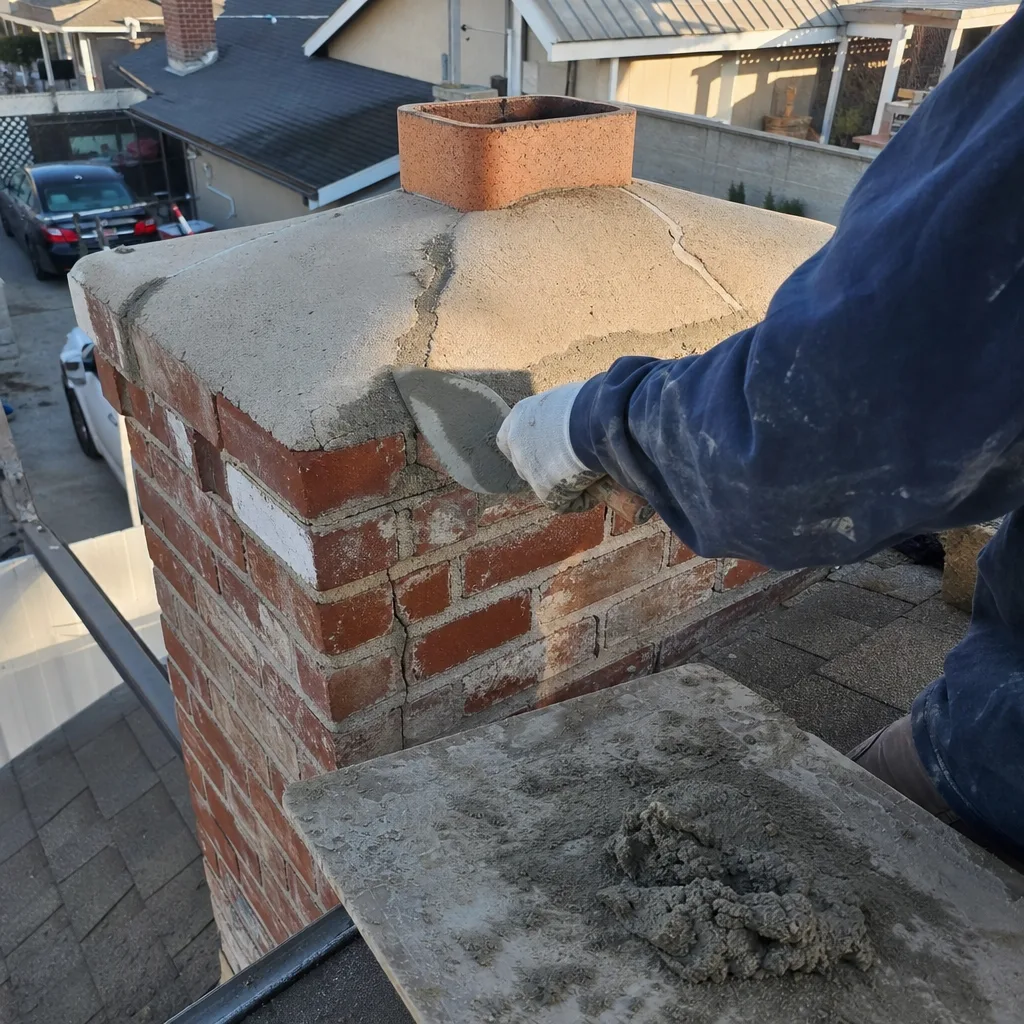
Every item on your checklist needs a number, not a judgment. Here are the thresholds we apply in Huntington Beach inspections.
| Component | Pass Threshold | Fail Threshold | Action Triggered |
|---|---|---|---|
| Creosote deposit (Class I) | 0-3mm thickness | >3mm or any Class II/III | Cleaning required |
| Terra cotta liner | No visible cracks, spalling <2mm | Any through-crack, missing tile, spalling >2mm | Liner repair or replacement |
| Stainless liner (DuraFlex) | No deformation, pitting <10% wall | Deformation, pitting >10%, seam gap | Liner replacement |
| Crown thickness | Minimum 2″ at thinnest point | <2" or crack to flue opening | Crown rebuild or overlay |
| Cap mesh corrosion | Surface oxidation only | Perforation or >30% wall loss | Cap replacement |
| Mortar joint depth | Recess <1/4" from brick face | Recess >1/2″ or crumbling | Repointing |
| Damper seal | Full perimeter contact | Visible gap >1/8″ any point | Damper repair/replacement |
| Combustible clearance | Per NFPA 211 table | Any measurement below table | Clearance correction |
| Smoke chamber parging | Smooth, no exposed corbel >1/2″ | Rough, corbeled, or unpargeable | Smoke chamber parge or modification |
These numbers come from NFPA 211, manufacturer specifications for materials like HeatShield and DuraFlex, and our field data from 38,000 inspections. When a sweep gives you a verbal “it looks fine,” ask for the measurement. A professional working to the Haven Standard will have it.
How to Store and Organize Documentation
A checklist is only as good as the proof that items were checked. In Huntington Beach’s competitive real estate market, organized chimney documentation transfers value at sale and protects against post-closing disputes.
The Documentation Set
After every professional visit, you should receive:
- Written scope of work performed or inspection findings
- Written price for any recommended work (Haven Standard Clause 1)
- Photo record from camera inspection (Haven Standard Clause 4)
- Written warranty for any work completed (365-Day Done Right Promise)
- Technician name and license information
Storage System
- Physical file: Keep originals in a labeled folder with the home’s other major system records (HVAC, electrical, plumbing). Include the date of next recommended service.
- Digital backup: Scan or photograph all documents. Store in a cloud folder shared with any co-owner. Name files with date and service type: “2024-10-15_Level2Inspection_123MainSt.pdf”
- Photo record organization: The camera inspection produces 20-40 images. Request them in a single downloadable file, not scattered emails. Create a subfolder per inspection date. These images show condition over time and are powerful evidence in warranty claims or sale negotiations.
- Transfer preparation: When listing your Huntington Beach home, compile the last three years of chimney documentation into a single disclosure packet. Buyers and their inspectors will ask. Having it ready signals maintenance diligence and can prevent credits.
We’ve seen sellers lose $3,000-5,000 in negotiated credits because they had no documentation to counter a buyer’s inspector who flagged “possible liner damage.” A documented photo record from 18 months prior showing sound liner condition would have prevented that.
Checklist Items That Void Manufacturer Warranties
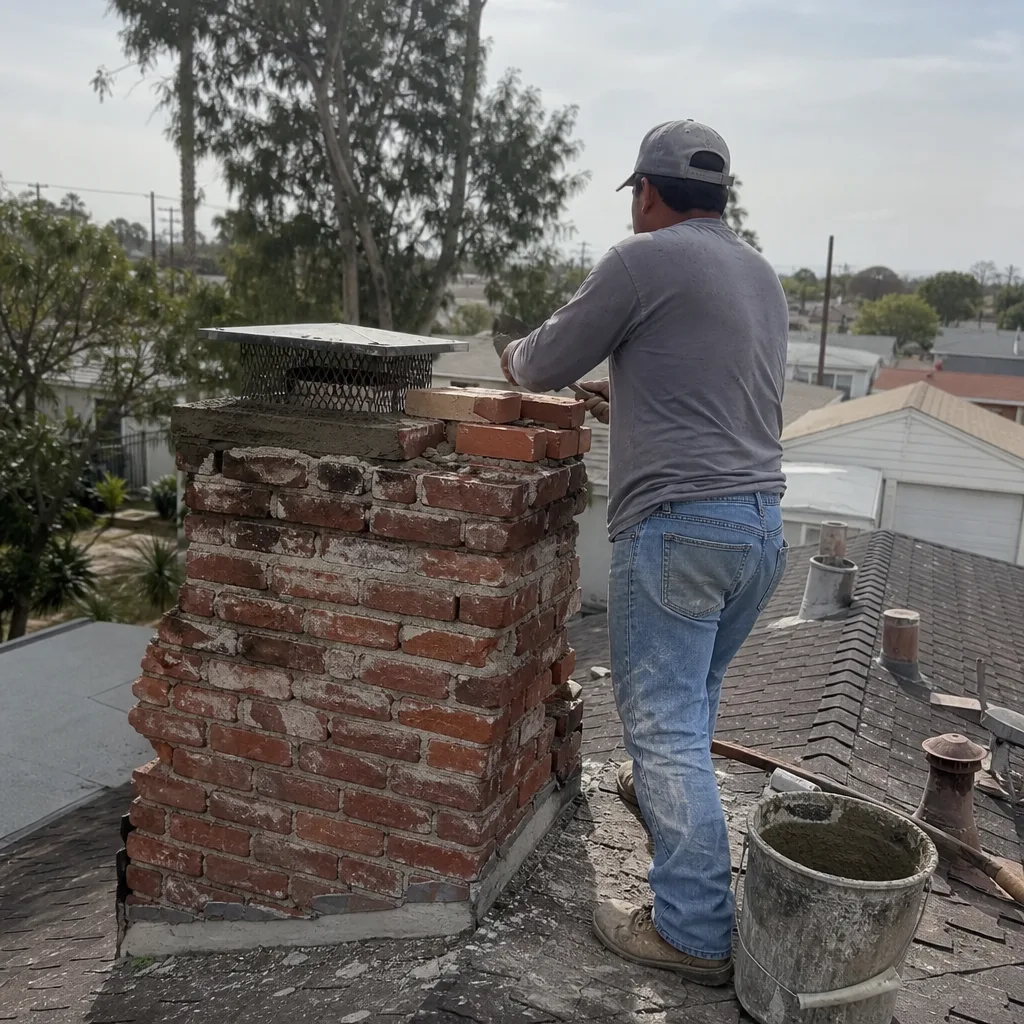
Gas fireplace inserts, stainless steel liners, and chimney relining systems carry manufacturer warranties with specific maintenance requirements. Skip the checklist item, and you may lose coverage when you need it.
Gas Insert Warranties
Major manufacturers require annual professional inspection and documented cleaning of the burner, pilot assembly, and venting system. Failure to produce maintenance records voids the heat exchanger warranty, typically the most expensive component. The fine print often specifies “qualified technician” and “written documentation.” A handyman with a shop vac doesn’t qualify.
Stainless Steel Liner Warranties (DuraFlex, Olympia Chimney)
Liner warranties require annual inspection for creosote buildup and documentation that cleaning occurred when deposits exceeded manufacturer thresholds. They also require proper cap installation to prevent water entry. A missing or deteriorated cap that allows water into the liner voids corrosion coverage.
HeatShield Cerfractory Foam Warranties
This resurfacing system for damaged terra cotta requires inspection at intervals specified in the installation certificate, typically every 1-2 years depending on use. The inspection must evaluate foam adhesion and thickness. Only technicians trained and certified in HeatShield application should perform these evaluations.
Factory-Built Fireplace Chase Cover Warranties
Manufactured fireplace systems (common in Huntington Beach homes built 1970-2000) require that chase covers maintain specific mesh size and water-shedding design. Owner modifications, such as screening over the cap to exclude animals, can void the fire safety warranty if the modification restricts airflow or creates creosote accumulation.
Keep warranty documents with your maintenance records. When we perform Fireplace Services in Huntington Beach, we note any warranty-relevant conditions in our written scope and advise on documentation needed for coverage preservation.
Common Mistakes to Avoid
- Assuming gas fireplaces need no maintenance. Gas burns cleaner than wood, but produces corrosive condensation, requires burner orifice cleaning, and needs venting inspection. The “gas is maintenance-free” myth leads to the most expensive surprise repairs we see in Huntington Beach.
- Using the wrong creosote remover. Chemical treatments marketed for Midwest hardwood creosote can damage stainless steel liners or react with manufactured log residue. Always match the treatment to the fuel type and liner material.
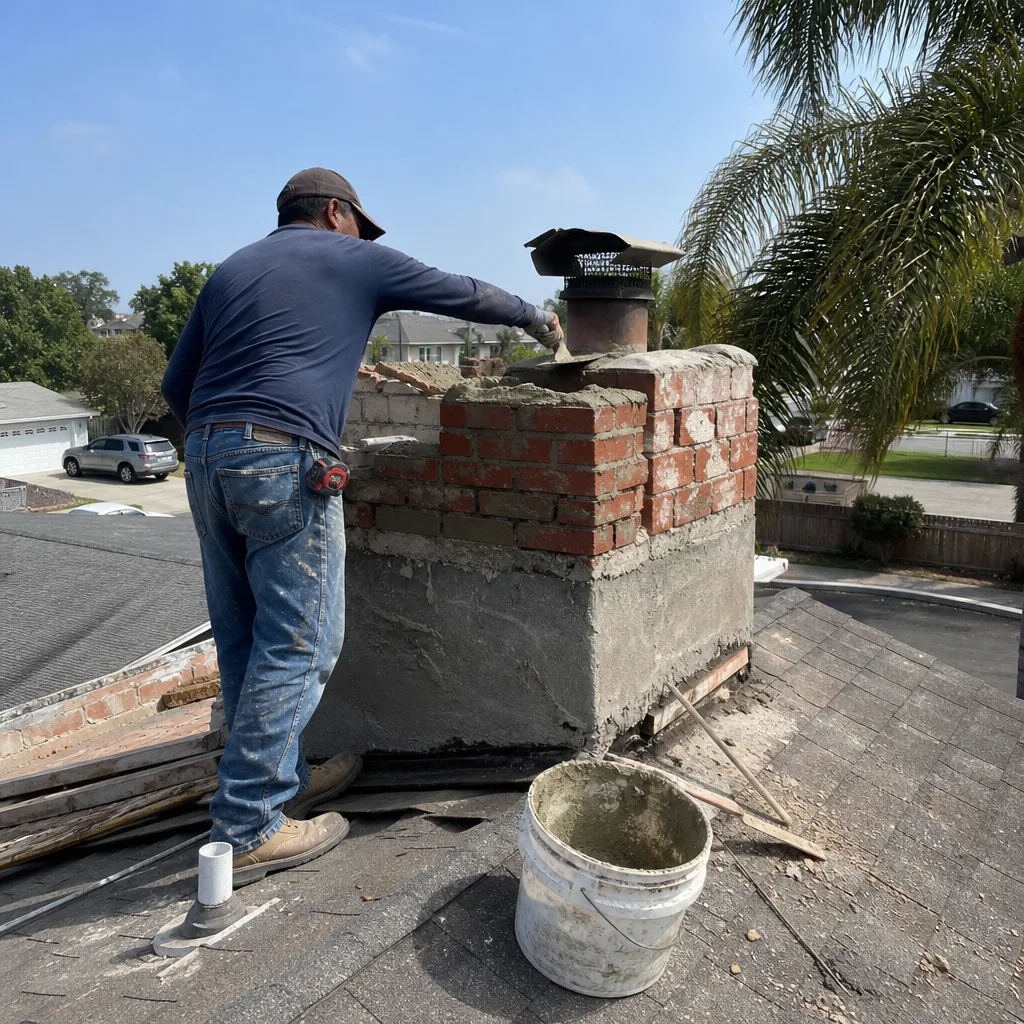
- Ignoring the crown because “it looks fine from the street.” Crown failure is the leading cause of hidden chimney damage in coastal Southern California. Surface appearance means nothing; thickness measurement and crack mapping reveal the truth.
- Hiring based on lowest price without documentation requirements. A $99 “sweep special” that produces no photo record, no written scope, and no warranty documentation saves nothing. It costs you evidence, coverage, and often requires re-inspection by a qualified technician.
- Waiting for visible interior damage. By the time you see ceiling staining or smell smoke in the house, the underlying damage is extensive. The checklist is preventive, not reactive.
- Modifying the cap or chase cover without checking warranty terms. A well-meaning screen addition or weatherproofing modification can void factory warranties and create hazardous airflow restrictions.
- Skipping annual inspection because “we barely use it.” Idle chimneys in Huntington Beach suffer from salt air corrosion, moisture intrusion, and animal nesting. Low use does not mean low risk.
When to Call a Professional
Call for evaluation when any checklist item fails its threshold, after any chimney fire regardless of apparent severity, before listing or purchasing a home, when converting fuel types or appliances, or if you notice new odors, draft changes, or visible deterioration. In Huntington Beach’s marine climate, conditions can progress faster than inland homeowners expect.
Emberly Chimney Cleaners Huntington Beach offers free estimates throughout Huntington Beach. Every evaluation includes the NFPA 211 Level 2 camera inspection with documented photo record, written price before any work begins, and the 365-Day Done Right Promise. Call (657) 427-5872 to schedule. For repair needs beyond maintenance, see our Chimney Repair in Huntington Beach services.
Frequently Asked Questions
A professional chimney sweep with NFPA 211 Level 2 camera inspection in Huntington Beach typically ranges from $250 to $450, depending on accessibility, flue configuration, and whether cleaning is required. We deliver a written price before any work starts, and estimates are always free. Call (657) 427-5872 for exact pricing on your specific chimney.
Annual inspection is recommended for all chimneys, with cleaning frequency determined by creosote accumulation, not calendar. Gas fireplaces need annual burner and venting inspection even when no “sweeping” is required. Homes within two miles of the beach should add a mid-year visual check for cap and crown salt corrosion.
You need a new liner when the camera inspection shows any through-crack in terra cotta, deformation or pitting exceeding 10% wall thickness in stainless steel, or any condition that allows flue gases to contact combustible structure. We show you the camera footage and explain the specific failure mode. If the condition can be monitored, we’ll say so and document the baseline for comparison. Nothing is recommended without visual evidence you can see for yourself.
Skipped maintenance leads to progressive, hidden damage: moisture intrusion through crown cracks causes liner spalling and structural deterioration; creosote buildup creates chimney fire risk and restricts draft; gas venting problems produce carbon monoxide hazards. In Huntington Beach’s real estate market, undocumented chimney condition also becomes a sale negotiation liability, often costing more in credits than preventive maintenance would have.
Level 1 is a visual inspection of accessible portions, appropriate for chimneys with no changes and continued use. Level 2 adds camera inspection of the full flue interior, accessible exterior examination, and documentation, required for real estate transfer, fuel changes, or after damage. Emberly Chimney Cleaners Huntington Beach performs Level 2 as our standard on every visit, not an upgrade, because flashlight inspection misses what the camera catches.
The monthly owner-visual items, yes. Anything requiring rooftop access, camera equipment, or combustion appliance evaluation, no. The safety risks of working on a roof or disturbing gas connections exceed any cost savings. Our background-checked, uniformed technicians perform the annual and camera-required items, with license information provided and a text notification when en route.
The Bottom Line
A chimney maintenance checklist works when every item has a number behind it: millimeters of creosote, percentage of corrosion, inches of crown thickness. Huntington Beach’s coastal climate adds salt exposure and moisture intrusion risks that generic checklists ignore. Tier your maintenance by who performs it, document everything to the Haven Standard, and know which items protect your manufacturer warranties. For additional help, see our more guides & resources. The 38,000 inspections in our archive show that documented, measurable maintenance prevents the surprise repairs that cost thousands and complicate home sales.
Call (657) 427-5872 for a free estimate. We’ll deliver a written price before any work starts, perform the Level 2 camera inspection with photo documentation, and back it with our 365-Day Done Right Promise.
Written by Corrine Halstead, Owner at Emberly Chimney Cleaners Huntington Beach, serving Huntington Beach since 2009.