
Last updated September 22, 2026
Level 1 sweep and inspection to the NFPA 211 annual standard - flue, crown, cap, and flashing checked and photographed
Chimney sweep logs do not sweep chimneys. They loosen some creosote - which then falls where a brush and vacuum still have to collect it.
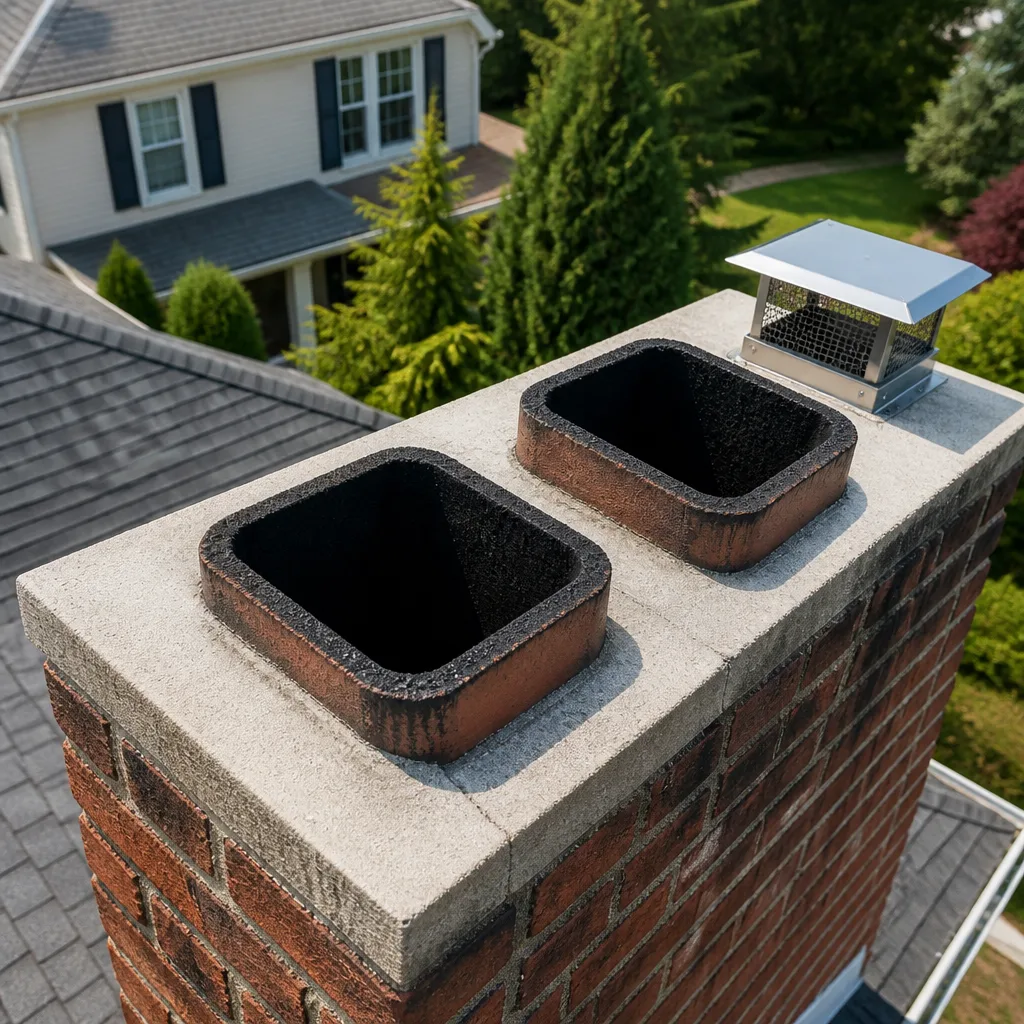
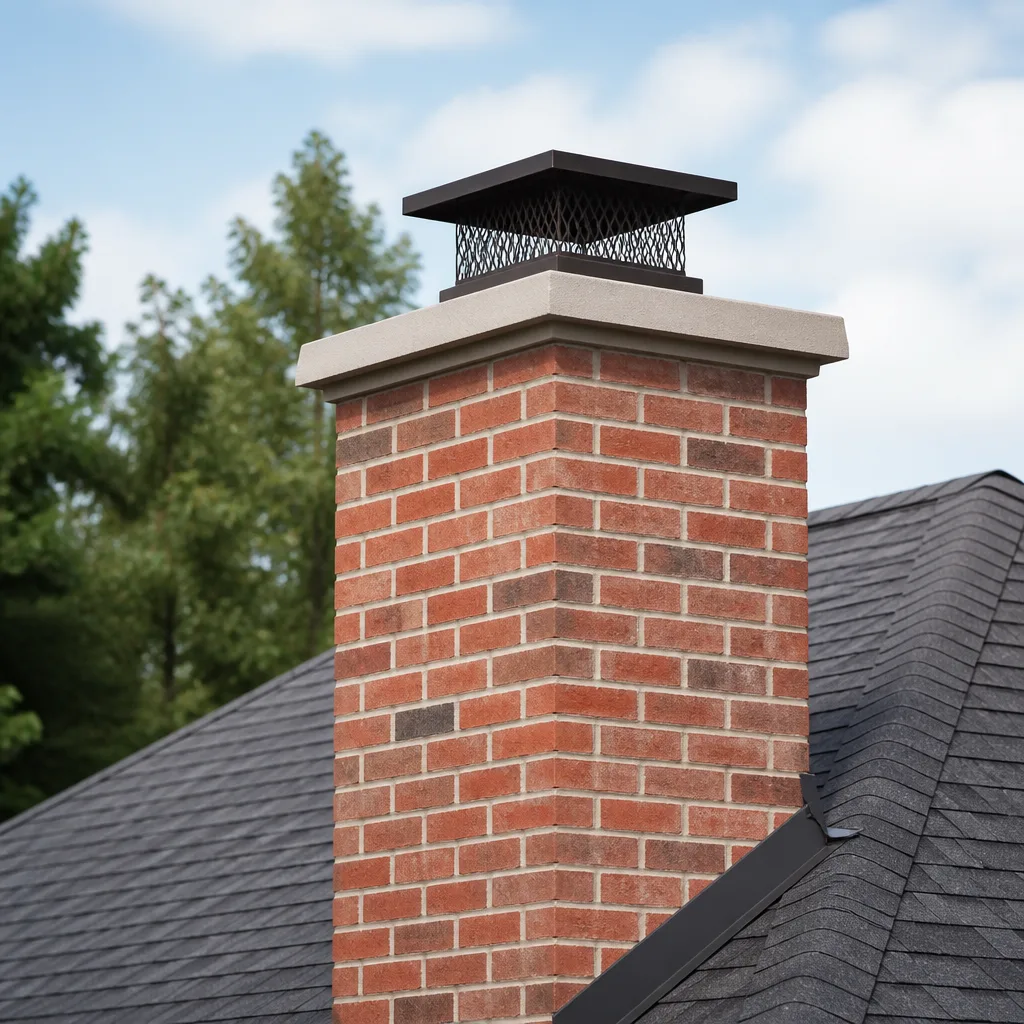
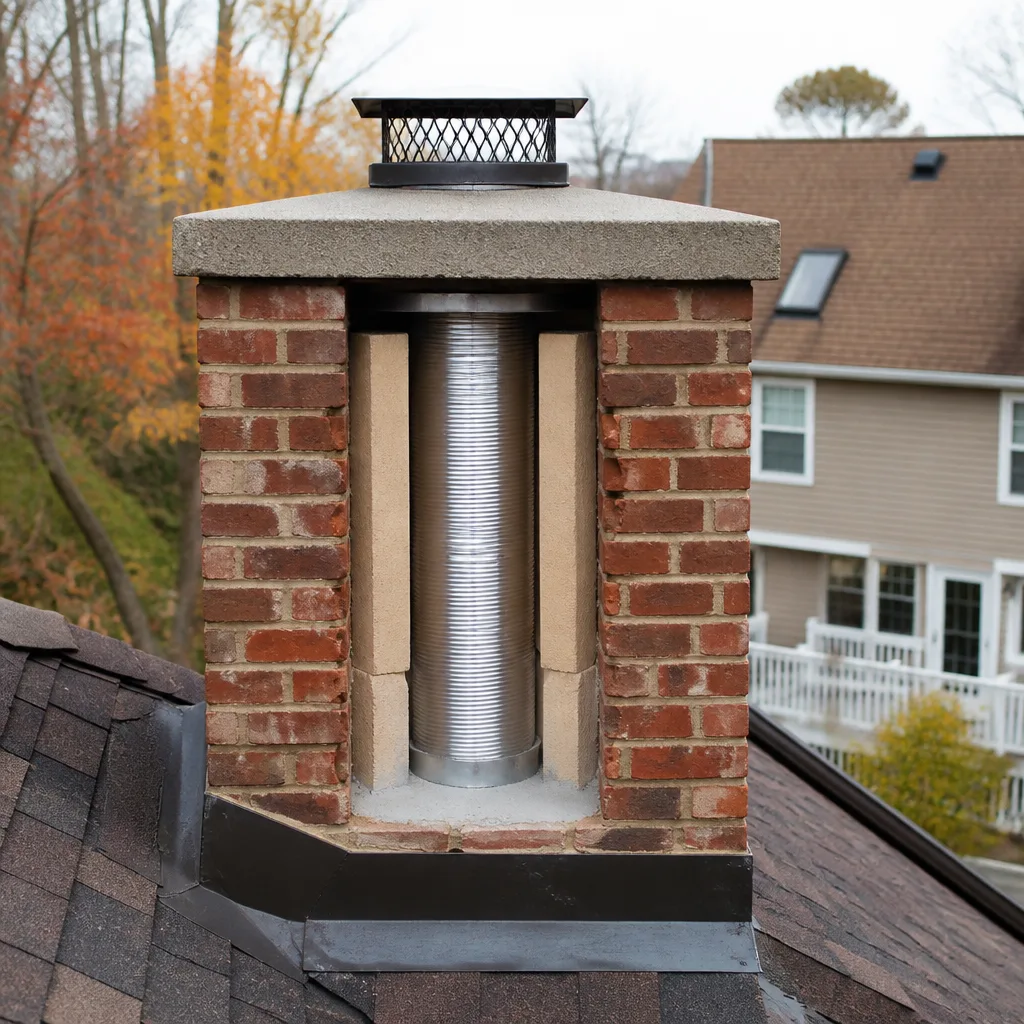
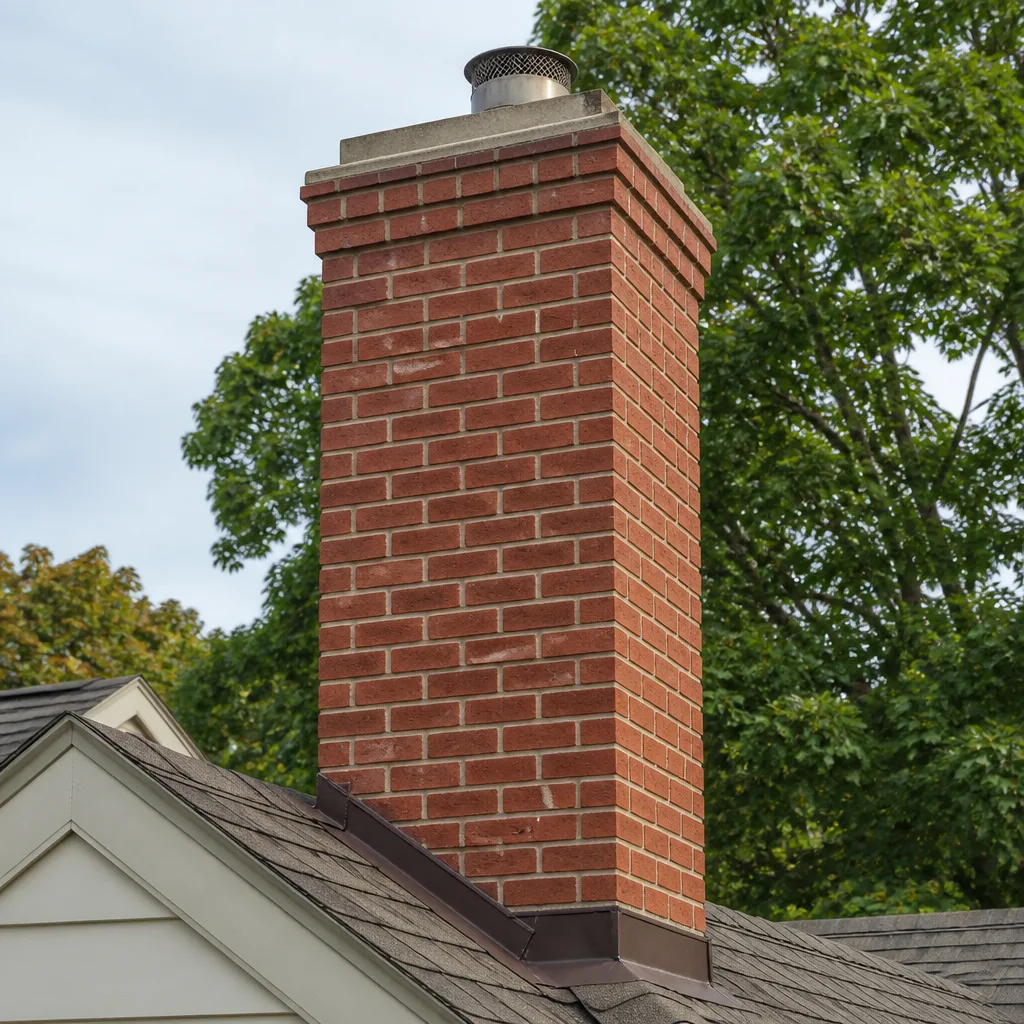
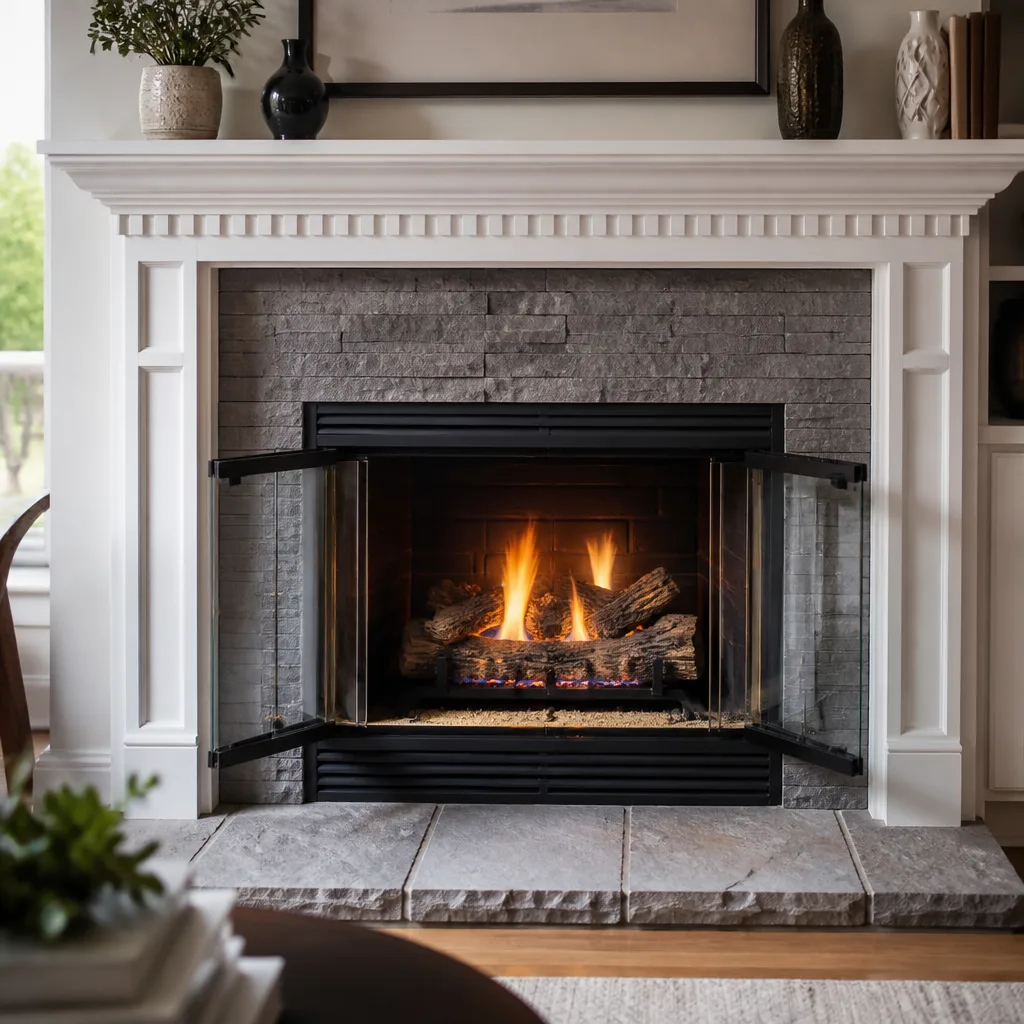
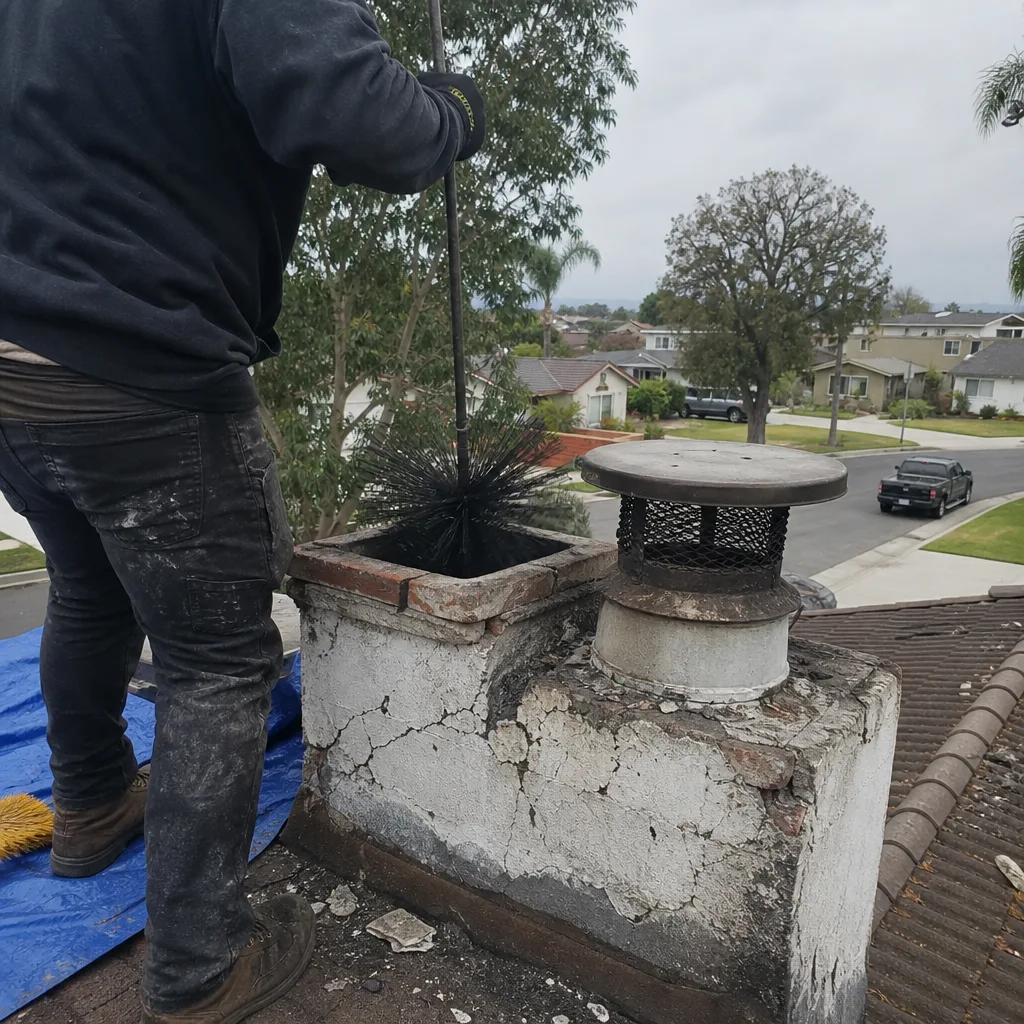 Before
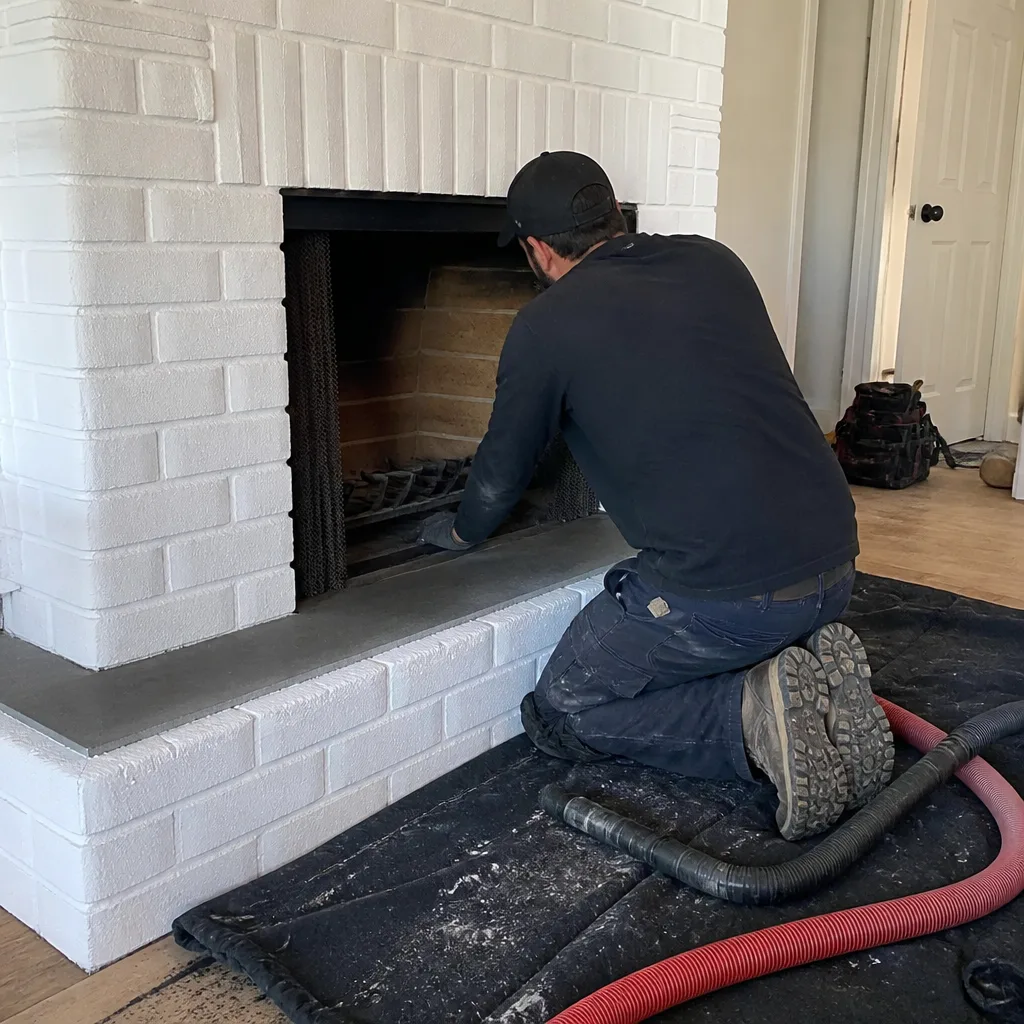 After
After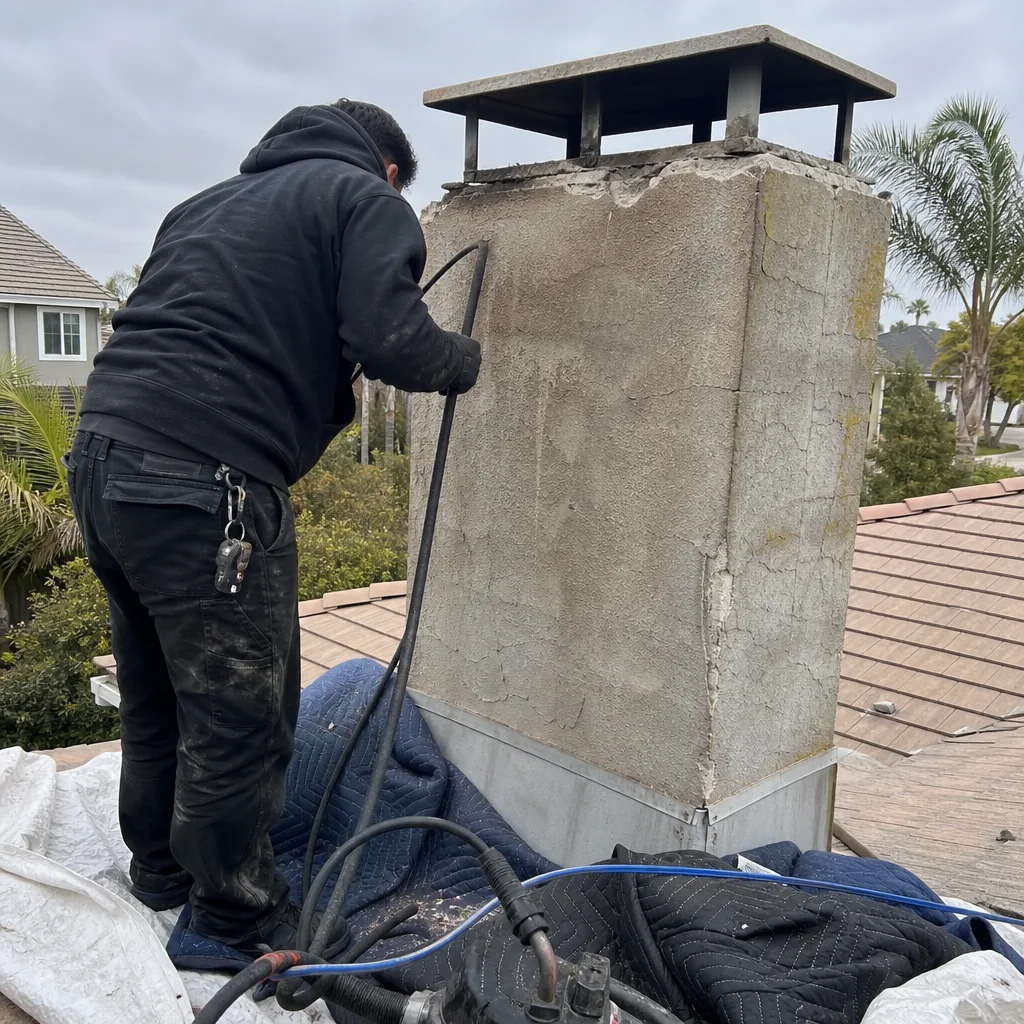 Before
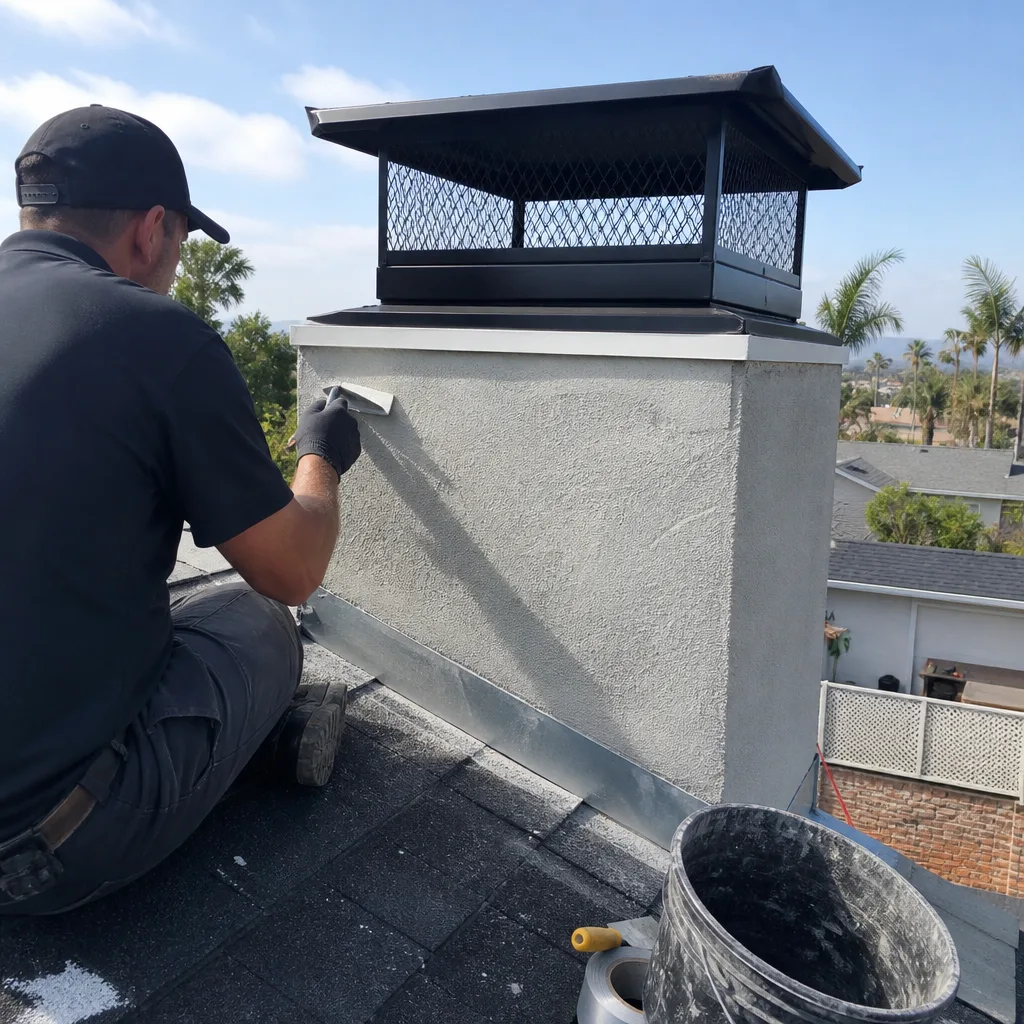 After
After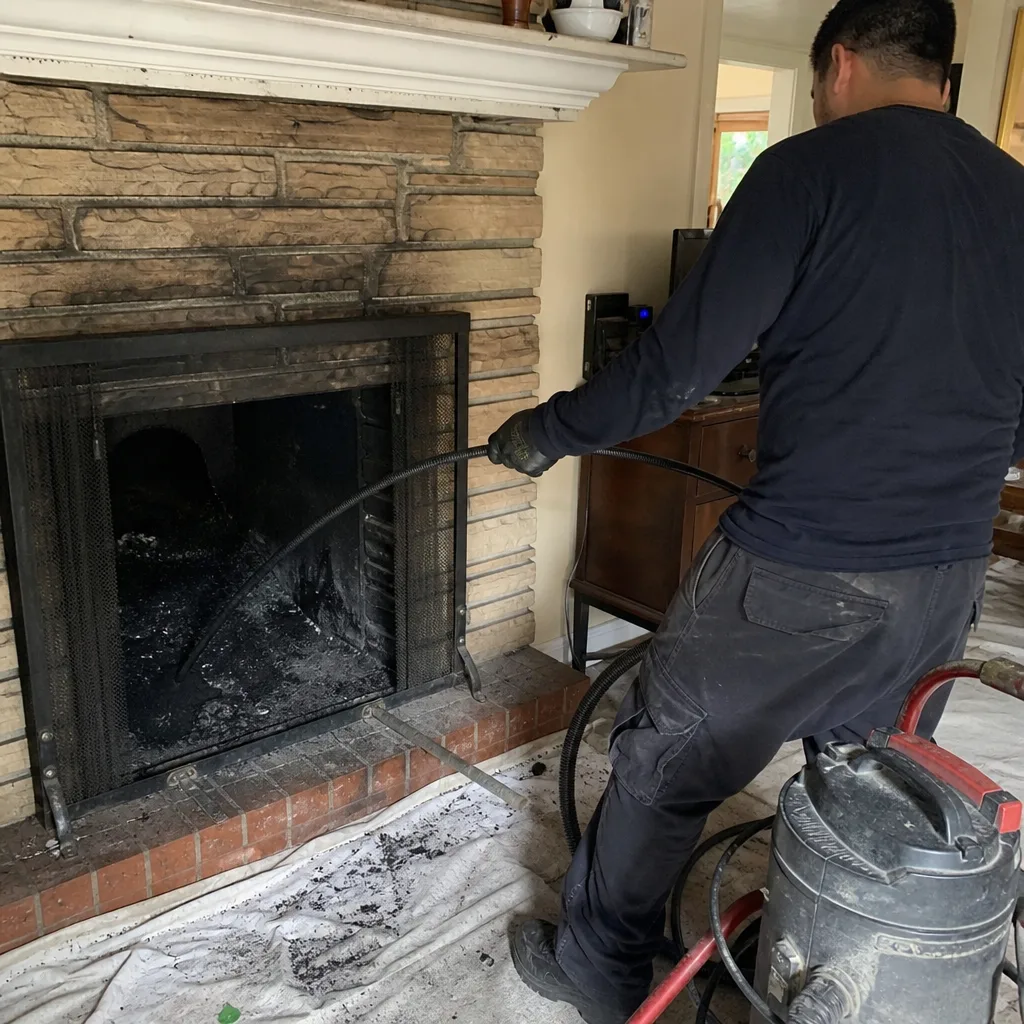 Before
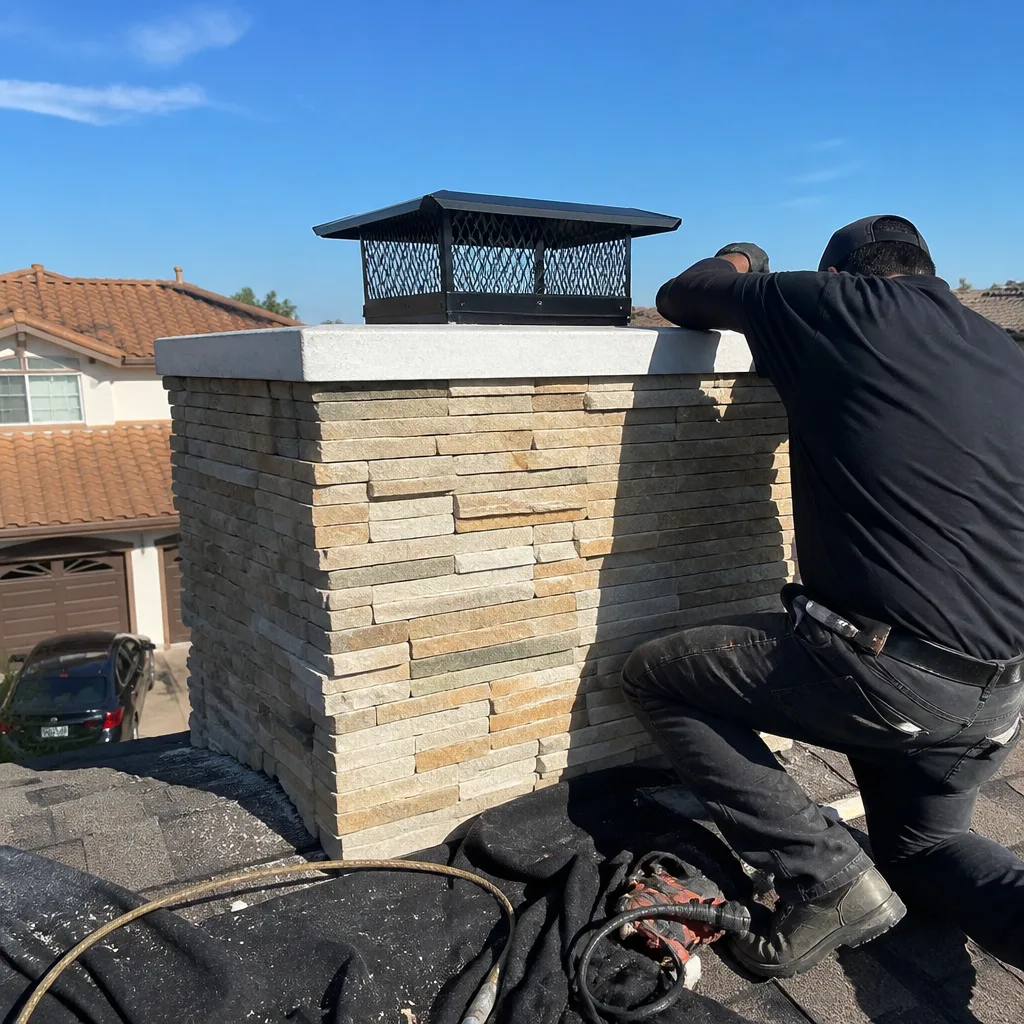 After
AfterThe Complete Guide to Chimney Cleaning in Huntington Beach
The average Huntington Beach homeowner burns fewer than 20 fires a year, yet salt-air creosote and marine debris make their flues statistically dirtier than inland chimneys burning twice as much wood. Most sweeps never mention this at the door. They show up with a brush and a flashlight, charge you for a “cleaning,” and leave you with no documentation your insurer would accept if something goes wrong. This guide explains what chimney cleaning actually means in a coastal climate, why the standard of care matters for your policy, and how to read the report you should walk away with every single time.
Quick Answer
Chimney cleaning in Huntington Beach costs between $199 and $349 for a standard sweep with camera inspection, and should include a written price before work starts, a documented photo record of the flue interior, and a post-service report noting creosote stage and liner condition. Because marine air accelerates creosote bonding and introduces salt corrosion, coastal chimneys need NFPA 211 Level 2 camera-scan documentation, not just a brush-and-vacuum sweep, to satisfy homeowner’s insurance requirements after any fire event or real-estate transaction.
Table of Contents
- Why Huntington Beach Chimneys Need Different Care
- What Chimney Cleaning Actually Includes
- CSIA Sweep vs. NFPA 211 Level 2 Inspection
- How Much Does Chimney Cleaning Cost in Huntington Beach?
- Reading Your Post-Cleaning Report
- Huntington Beach Building Codes and When Inspections Are Required
- How Often Should You Clean Your Chimney?
- Common Mistakes to Avoid
- When to Call a Professional
- Frequently Asked Questions
BeforeAfterWhy Huntington Beach Chimneys Need Different Care
We started documenting coastal chimney conditions in 2009, and the pattern became clear within the first two winters. Chimneys in neighborhoods like Downtown Huntington Beach, Huntington Harbour, and Sunset Beach accumulate a specific kind of debris that inland sweeps rarely encounter.
Salt air carries chloride ions that bond with wood-tar condensates inside the flue. The result is a harder, more adhesive creosote that standard poly brushes struggle to remove. In dry-climate fireplaces, Stage 1 creosote (soft, sooty, brushable) often stays brushable for years. In Huntington Beach, we’ve watched it harden to Stage 2 glazed creosote within a single burning season, especially when homeowners burn pine or eucalyptus, both common in local tree-trimming waste.
Marine debris adds another variable. Seagull nesting material, wind-blown sand, and harbor fog moisture create partial obstructions that trap combustion gases. A flue that tests clear in Anaheim can show 15-20% flow restriction in Huntington Beach from debris alone. That restriction raises flue gas temperatures, which accelerates creosote glazing, which worsens restriction. It’s a feedback loop that starts invisible and ends expensive.
The climate also affects masonry. Salt-laden fog penetrates exterior brick and stucco, then crystallizes as moisture evaporates. This spalling, the flaking or popping of brick faces, is far more common within two miles of the coast than inland. A sweep who only looks down the flue misses it entirely. The camera scan, required under NFPA 211 Level 2, catches it because the technician must examine the exterior chimney structure as part of the documented assessment.
Neighborhoods like Bolsa Chica and Seacliff, with their 1970s-1980s construction booms, have a concentration of unlined brick chimneys that were grandfathered under older codes. These are particularly vulnerable to salt corrosion at the mortar joints. When we inspect these systems, we’re not just cleaning; we’re documenting whether the chimney remains fit for continued service under current conditions. That documentation becomes your evidence if an insurer questions liability after a fire.
What Chimney Cleaning Actually Includes
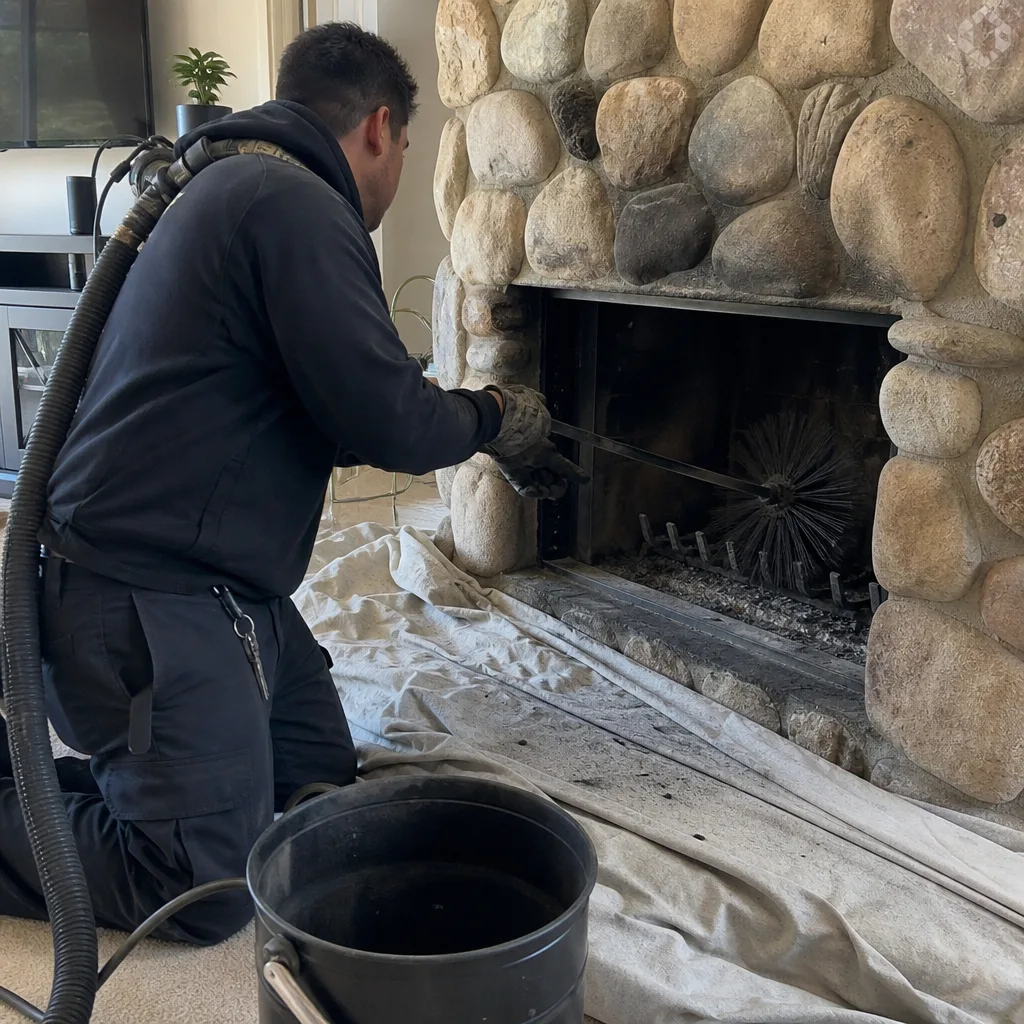
A proper chimney cleaning in Huntington Beach is a documented chain, not a single action. Here’s what that chain looks like when done to the standard your insurer expects:
- Pre-work written contract. Scope, price, debris disposal method, warranty term, and photo documentation delivery format. Clause 1 of the Haven Standard requires this in writing before any tool touches your chimney. You should receive it by email or text and approve it before the technician arrives.
- Exterior structural assessment. Crown integrity, cap condition, flashing at the roofline, and visible spalling or mortar deterioration. In Huntington Beach, we pay particular attention to the side of the chimney facing the ocean, where salt exposure is highest.
- Camera-scan flue inspection. A high-resolution camera is run the full length of the flue liner, recording every joint, every offset, and every deposit. This is NFPA 211 Level 2. A flashlight look from the top or bottom is Level 1, and it is not sufficient for real-estate transactions, insurance claims, or any chimney with changed use or damage history.
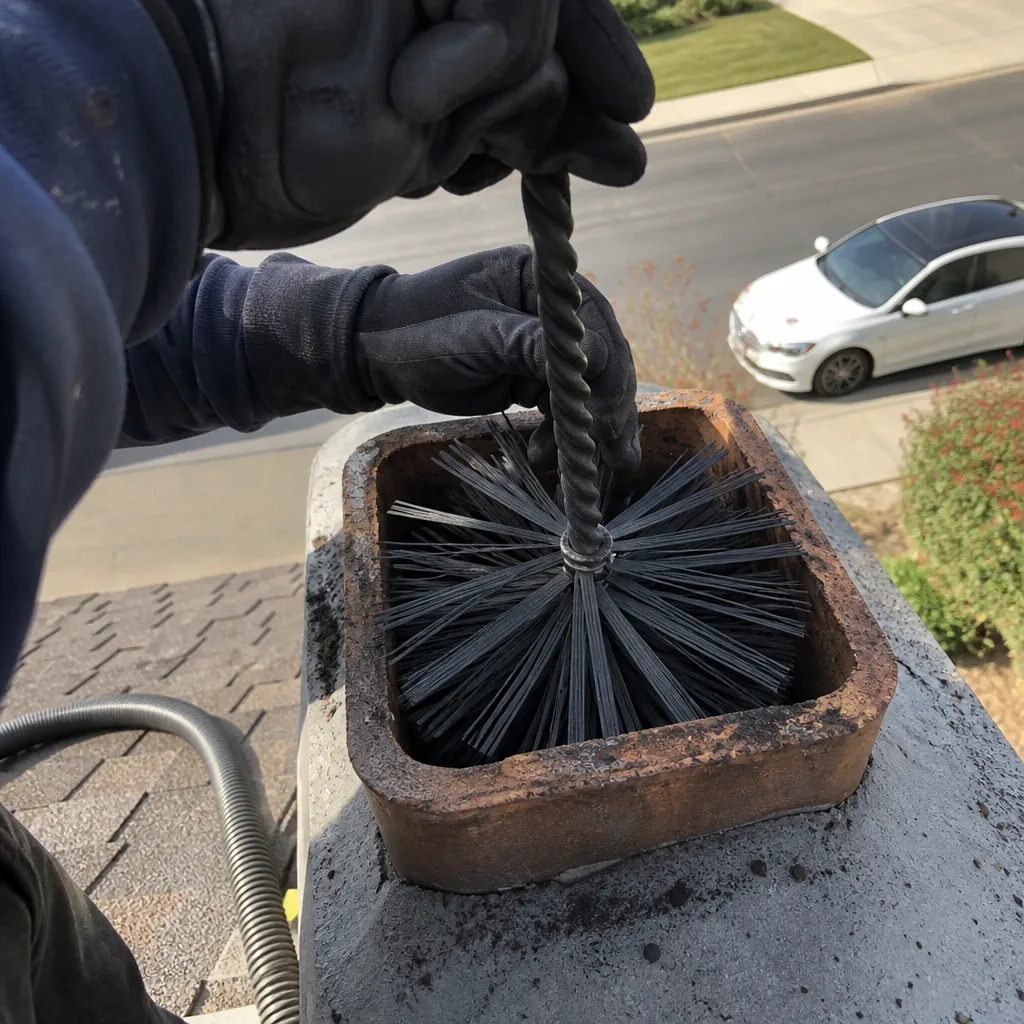
- Mechanical cleaning with appropriate tools. Poly brushes for Stage 1 creosote, chains for Stage 2 glazed deposits, rotary whips for heavy buildup. The tool matches the deposit, and the technician notes which was used.
- Debris removal and containment. HEPA vacuums, drop cloths sealed to the hearth, and sealed disposal bags. No soot tracked through your living room.
- Post-cleaning camera verification. The flue is rescanned to confirm deposits are removed and no damage occurred during cleaning. This second scan is your proof of condition.
- Written report with photo record. Delivered within 24 hours, typically same-day by email. Includes creosote stage found, liner condition, any recommendations with priority ranking, and the camera footage. Clause 4 of the Haven Standard requires this photo record on every job; we’ve done it since 2009.
Anything less than this chain leaves gaps your insurer can exploit. We’ve reviewed competitor reports that consist of a handwritten checklist and a single blurry photo. That is not documentation. That is liability waiting to happen.
If you’re comparing services, our Chimney Sweep in Huntington Beach page details exactly how we structure each visit.
CSIA Sweep vs. NFPA 211 Level 2 Inspection
Homeowners often ask whether a CSIA-certified sweep is enough. The answer depends on what you need the documentation to do.
A CSIA (Chimney Safety Institute of America) sweep certification trains technicians in proper cleaning technique, tool selection, and basic safety. It’s a valuable credential for the cleaning portion of the work. But CSIA certification alone does not require camera documentation, written price-before-work contracts, or structured post-service reporting. Individual companies may add those; the certification doesn’t mandate them.
NFPA 211 Level 2 is a standard of inspection, not a technician certification. It specifies what must be examined and how it must be documented. The Level 2 standard requires:
- Accessible portions of the chimney exterior and interior
- Accessible portions of the appliance and chimney connection
- Camera inspection of the flue interior where construction permits
- Written documentation of findings
Here’s where this matters for Huntington Beach homeowners specifically. After any fire event, your homeowner’s insurance will request “evidence of proper maintenance.” A CSIA sweep receipt proves someone cleaned the chimney. An NFPA 211 Level 2 report with dated camera footage proves the chimney’s internal condition at a specific moment, which is what adjusters actually need to determine whether the fire originated from chimney failure or from another cause.
After a real-estate transaction, the same distinction applies. Buyers in competitive Huntington Beach markets like Pacific City-adjacent neighborhoods or the Huntington Harbour enclaves increasingly request Level 2 documentation because their insurers require it for policy issuance. Those unsure how to vet providers should read How to Hire a Chimney Cleaning Contractor in Huntington Beach: A Step-by-Step Guide. A sweep receipt from three years ago doesn’t answer the question.
At Emberly Chimney Cleaners Huntington Beach, every visit combines CSIA-trained technicians with NFPA 211 Level 2 documentation standards. We didn’t wait for insurers to require this. We made camera-scan documentation the default in 2009, and that practice became Clause 4 of the Haven Standard.
For chimneys with known damage, ongoing leaks, or post-earthquake concerns, Chimney Repair in Huntington Beach covers structural remediation options.
How Much Does Chimney Cleaning Cost in Huntington Beach?
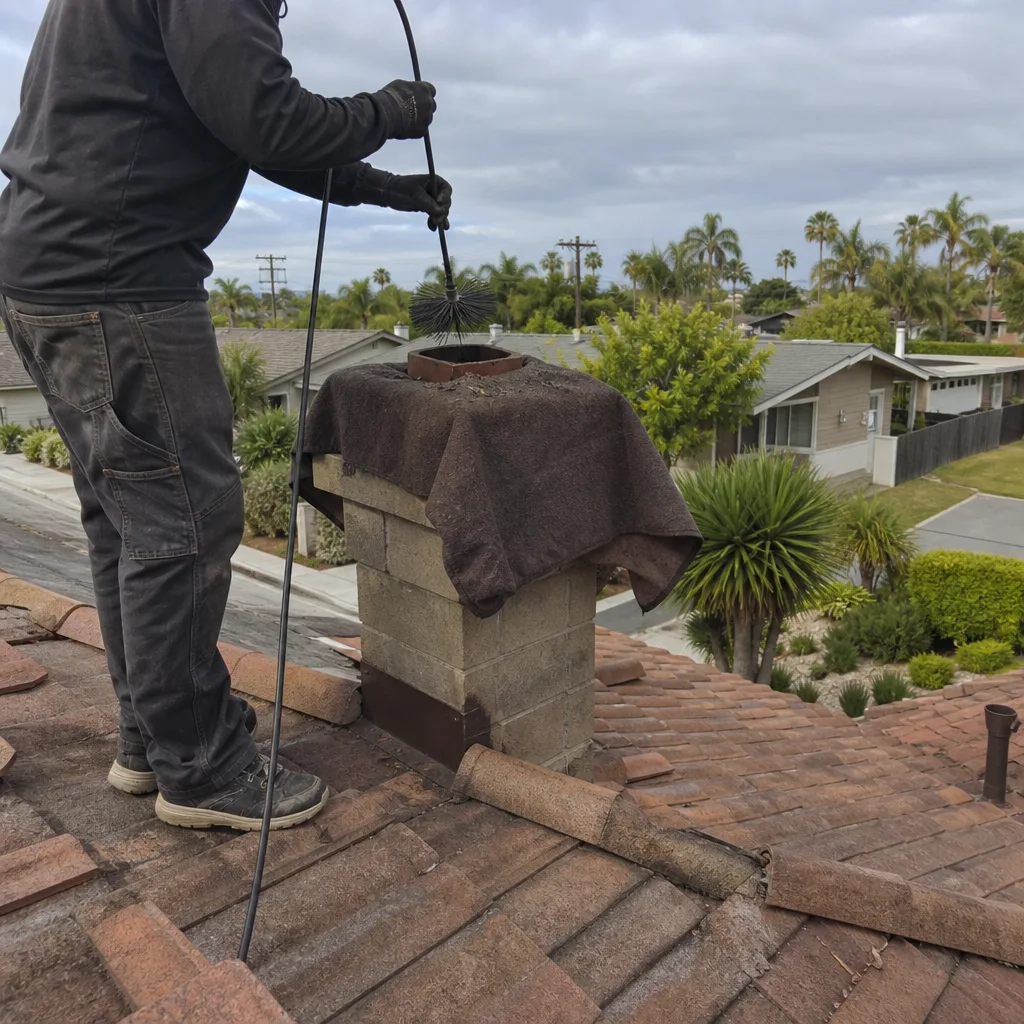
Chimney cleaning prices in Huntington Beach vary by chimney type, accessibility, and the condition found during initial camera assessment. Below are the ranges we quote in writing before any work begins, based on 38,000+ inspections since 2009:
| Service | Typical Range | What’s Included |
|---|---|---|
| Standard gas fireplace sweep with Level 2 camera inspection | $199 - $249 | Exterior assessment, flue camera scan, light debris removal, written report with photos |
| Wood-burning fireplace sweep with moderate creosote | $249 - $319 | Full mechanical cleaning, Stage 1-2 creosote removal, before/after camera verification, written report |
| Heavy creosote or Stage 2 glazed removal | $319 - $449 | Rotary chain cleaning, multiple passes, extended camera documentation, priority repair recommendations if liner damage found |
| Insert or freestanding stove (additional labor) | +$75 - $125 | Appliance disconnect/reconnect, baffle removal, secondary combustion chamber access |
| Two-story or steep-roof access | +$50 - $100 | Additional safety equipment, extended setup time, documented roof condition photos |
These are Huntington Beach-specific ranges. We see more two-story homes with steep coastal roof pitches than inland markets, which affects access costs. We also see more unlined chimneys in pre-1980 construction near the downtown core, which can require additional protective measures during cleaning.
What should never happen: a technician arriving, looking down the flue, and announcing a price that wasn’t in writing. Clause 1 of the Haven Standard, “Have it in writing,” exists because we’ve heard too many stories of $199 phone quotes becoming $600+ invoices once the tech is standing in the living room. Our written price includes scope, debris disposal, warranty term, and photo delivery format. No surprises.
We also offer a Free Second Opinion on any written estimate from another company. Bring us their quote. We’ll review it against what our camera finds, line by line.
For fireplace-specific services beyond sweeping, see Fireplace Services in Huntington Beach.
Reading Your Post-Cleaning Report
The report you receive after a proper chimney cleaning should answer three questions: what was found, what was done, and what needs attention next. Here’s how to read the sections that matter.
Creosote stage notation. Technicians classify deposits in three stages:
- Stage 1: Soft, sooty, brushable. Normal for gas appliances and light wood use. Removal is straightforward. No immediate concern.
- Stage 2: Hardened, glazed, requires mechanical or chain cleaning. Indicates sustained low-temperature burning or restricted airflow. In Huntington Beach, salt-air bonding often accelerates this progression. Removal is more labor-intensive and may require multiple passes.
- Stage 3: Thick, tar-like, highly combustible. Requires aggressive rotary removal. May indicate need for liner evaluation if buildup has caused thermal damage. This is the stage associated with chimney fires.
Liner condition. The camera footage shows cracks, gaps, spalling, or displacement in clay tile liners, or corrosion pinholing in stainless steel. “Monitor” means visible change but no immediate safety issue. “Recommend repair” means the liner no longer contains combustion gases reliably. “Require repair” means do not use until fixed. We use plain language, not coded ratings your insurer won’t understand.
Crown and cap assessment. The concrete crown at the chimney top sheds water away from the flue. Cracks wider than 1/8 inch allow salt water penetration, which accelerates deterioration in coastal environments. The cap keeps rain and animals out. Missing or damaged caps are common findings in Huntington Beach because wind exposure is higher than inland.
Priority ranking on recommendations. Any follow-up work should be ranked: safety (address before next use), maintenance (address within the season), or cosmetic (address at your discretion). This ranking prevents upsell pressure. You decide the timeline based on actual risk, not sales tactics.
Photo record delivery. Clause 4 of the Haven Standard requires a documented photo record on every job. You should receive dated, geotagged images or video with the technician’s notes. Not a single photo. Not a generic stock image. Your actual flue, your actual chimney, your actual date.
Materials we specify when repairs are needed come from documented suppliers: DuraFlex for stainless liner systems, HeatShield for cerfractory flue resurfacing, Gelco for caps and screening, and Olympia Chimney for replacement clay liners. These are procured through Haven’s buying network to keep customer prices honest, not marked up through middlemen.
Huntington Beach Building Codes and When Inspections Are Required
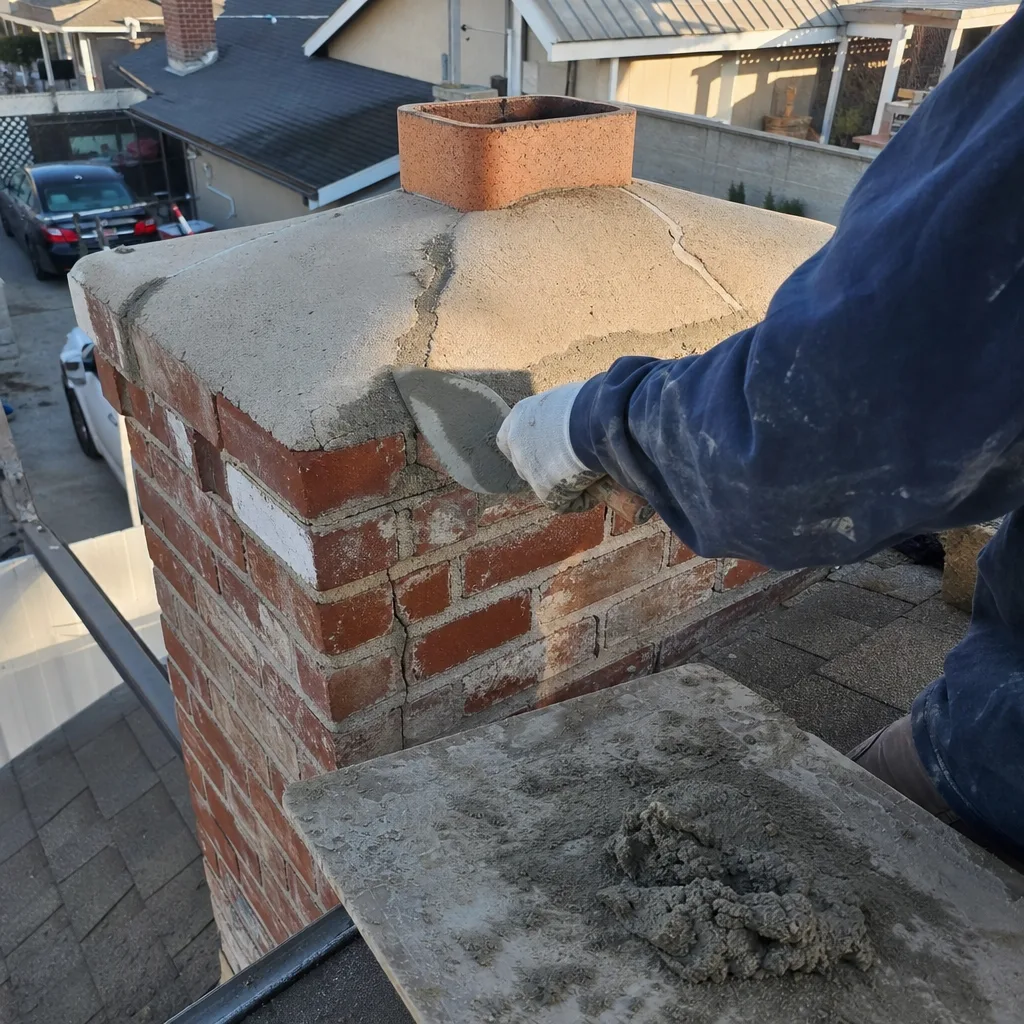
The City of Huntington Beach Building and Safety Division enforces the California Residential Code, which adopts NFPA 211 by reference for chimney and venting systems. This matters because it determines when a cleaning triggers a required inspection versus when it doesn’t.
A routine cleaning with no findings does not require a permit or inspection. However, any of these conditions trigger mandatory inspection:
- Chimney fire or suspected fire event, even if extinguished quickly
- Real-estate transaction where the chimney is part of the property assessment
- Installation, replacement, or repair of a flue liner
- Structural modification to the chimney, including crown rebuild or height alteration
- Change of appliance type, such as converting wood-burning to gas insert
The Huntington Beach Building and Safety Division is located at 2000 Main Street. Permit applications for chimney work can be submitted online through the city’s Accela Citizen Access portal. Typical chimney repair permits process in 5-10 business days; Level 2 inspection documentation expedites this because the camera record satisfies the “existing condition” report requirement.
We’ve worked with Huntington Beach inspectors since 2009. They know our reports. When we document that a liner is damaged and requires replacement, our photo record accompanies the permit application, reducing back-and-forth. Homeowners who use sweeps without documentation often face inspector requests for additional assessment, adding cost and delay.
One local specificity: Huntington Beach’s coastal zone has additional requirements for exterior chimney finishes visible from the street. If your chimney needs crown rebuilding or stucco repair, the material and color may require Planning Division review if your home is in the Coastal Zone Overlay. We note this in our reports when applicable and can coordinate with the city on your behalf.
How Often Should You Clean Your Chimney?
The standard advice, “once a year,” assumes average use in average conditions. Huntington Beach conditions are not average, as explained in our Seasonal Chimney Cleaning Care for Huntington Beach: Year-Round Homeowner’s Guide.
For wood-burning fireplaces, we recommend annual camera-scan assessment, with cleaning frequency adjusted to what the camera finds. In our experience:
- Occasional use (fewer than 10 fires per season): Clean every 2-3 years if Stage 1 creosote only, but camera-scan annually to confirm
- Regular use (10-30 fires per season): Clean annually; Stage 2 glazing is common by month 8 in coastal air
- Primary heat source or frequent entertaining: Clean mid-season and end-of-season; the cost of two sweeps is less than one chimney fire deductible
For gas fireplaces, cleaning is less about creosote and more about debris accumulation, moisture corrosion of the log set, and venting integrity. Every 2-3 years is typical, but annual camera inspection catches deteriorating flex connectors and condensation damage before they become carbon monoxide risks.
Neighborhood-specific factors: Homes near the Bolsa Chica Ecological Reserve get more wind-blown organic debris. Homes in Huntington Harbour with canal exposure get higher humidity cycles. Homes east of Beach Boulevard in older tracts often have original clay liners that have never been camera-assessed. These factors don’t change the calendar; they change what the camera is likely to find when you do schedule.
The 365-Day Done Right Promise applies to our frequency recommendations too. If we tell you a chimney is clean for two years and camera evidence at 18 months shows otherwise, we make it right. That promise is stamped on every job under the Haven Standard.
Common Mistakes to Avoid
- Hiring based on lowest price without checking what’s included. A $99 sweep in Huntington Beach typically excludes camera inspection, excludes written report, and excludes debris disposal from the quoted price. By the time add-ons accumulate, you’re at our standard price with none of the documentation.
- Assuming gas fireplaces don’t need inspection. Gas appliances produce water vapor and corrosive condensates. We’ve found deteriorated flex connectors and blocked termination caps in gas fireplaces that posed carbon monoxide risks. No creosote doesn’t mean no danger.
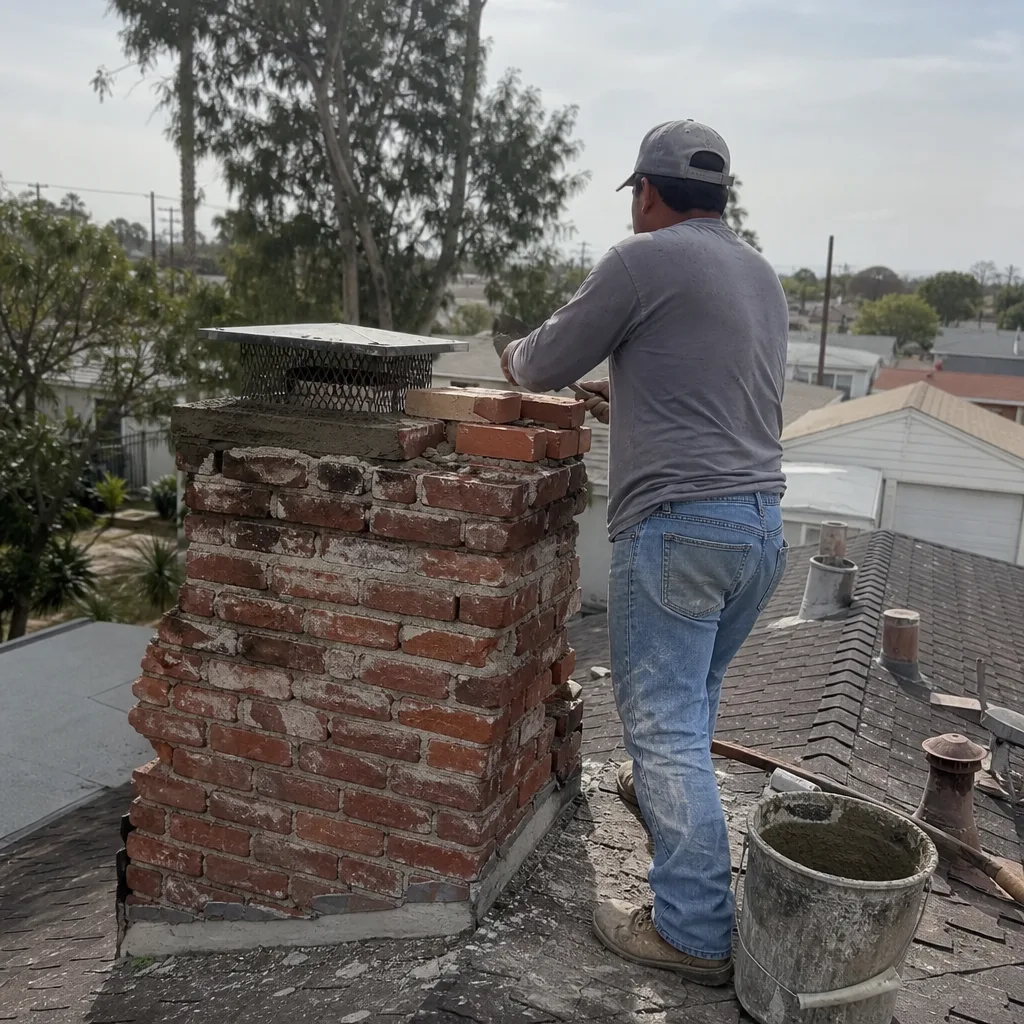
- Ignoring salt-air damage on the exterior. Spalling brick and deteriorated mortar aren’t cosmetic. They’re pathways for water and combustion gas leakage. A sweep who only cleans the flue and never looks at the outside leaves you with a documented gap in your maintenance record.
- Accepting verbal estimates. California contractors law requires written contracts for work over $500, but even below that threshold, verbal pricing leaves no record. If a dispute arises, your insurer has nothing to review. Clause 1 of the Haven Standard, “Have it in writing,” applies at every price point.
- Skipping post-cleaning camera verification. Some companies scan before cleaning but not after. Without after-cleaning footage, you have no proof that deposits were actually removed or that cleaning didn’t damage an already-compromised liner.
- Using the chimney after a known fire without Level 2 inspection. Even small chimney fires can crack clay tiles or warp metal liners. Using the system without documented assessment risks a second, more serious event. Your insurer may deny coverage if you knew of a prior fire and didn’t have documented inspection.
- Waiting for visible smoke problems before calling. By the time smoke backs up into the room, the obstruction or damage is advanced. Annual camera inspection catches restrictions at 15-20% flow loss, before they become health hazards.
When to Call a Professional
Call for documented assessment, not just cleaning, when you notice any of these: smoke odor when the fireplace isn’t in use, visible creosote flakes in the firebox, white efflorescence staining on exterior brick, rust streaks from the cap or crown, or any change in draft performance after a windstorm. In Huntington Beach, Santa Ana wind events can dislodge caps and introduce debris suddenly.
After any chimney fire, even one you extinguished yourself, do not use the system until a Level 2 camera scan documents liner integrity. The thermal shock of a fire can damage what appears intact from below.
If you’re buying a home in Huntington Beach, request Level 2 documentation from the seller or schedule it yourself before closing. Real-estate transactions are one of the three situations where NFPA 211 explicitly requires Level 2 rather than Level 1 assessment.
Emberly Chimney Cleaners Huntington Beach offers free estimates in Huntington Beach. We’ll review your situation, explain what documentation you need for your specific circumstances, and provide a written price before any work begins. For more guides & resources, visit our blog, or call (657) 427-5872.
Frequently Asked Questions
A standard chimney sweep with NFPA 211 Level 2 camera inspection in Huntington Beach typically costs between $199 and $349, depending on fuel type, creosote stage, and roof accessibility. Heavy glazed creosote or two-story access adds $50-$150. We provide a written price before work starts on every job, with no exceptions. Call (657) 427-5872 for an exact quote - estimates are free.
You need a new liner when the existing one can no longer contain combustion gases reliably, which the camera scan determines. Cracked clay tiles, gaps at joints, or corrosion pinholing in metal liners are the common findings. We never recommend liner replacement without camera evidence you can see yourself, and we rank the priority honestly: safety (don’t use until fixed), maintenance (address this season), or cosmetic (your discretion). A Free Second Opinion on any competitor’s written liner quote is always available.
Wood-burning chimneys in Huntington Beach should be camera-assessed annually and cleaned based on what the camera finds, typically every 1-2 years for moderate use. Salt-air creosote bonding means coastal chimneys harden deposits faster than inland systems. Gas fireplaces need inspection every 2-3 years for debris, moisture damage, and venting integrity, even without creosote concerns. Call (657) 427-5872 to schedule an assessment matched to your actual use pattern.
Skipped cleaning allows creosote accumulation to progress from brushable Stage 1 to hardened Stage 2 or combustible Stage 3, increasing chimney fire risk and restricting airflow until smoke backs into living space. In Huntington Beach specifically, salt corrosion of liners and caps continues unchecked, and marine debris accumulates to the point of partial or complete blockage. Your insurer can deny claims if damage occurs and you have no documented maintenance record. The cost of prevention is always less than the deductible on a fire claim.
A sweep removes deposits from the flue. A Level 2 inspection is a documented camera assessment of the flue interior, exterior structure, and appliance connections. You can have a sweep without Level 2 documentation, but you cannot have a proper Level 2 inspection without including cleaning if deposits obstruct the camera’s view. For insurance purposes after any fire or real-estate transaction, only Level 2 documentation satisfies the evidence requirement.
Routine chimney cleaning does not require a permit. However, the City of Huntington Beach Building and Safety Division requires inspection and permitting for chimney fire damage, liner replacement, structural repairs, or appliance conversions. Our Level 2 reports with dated camera footage satisfy the “existing condition” documentation required for permit applications, which we can file on your behalf through the city’s Accela portal.
The Bottom Line
Chimney cleaning in Huntington Beach is not a commodity service. The coastal climate creates specific risks, salt-air creosote bonding and marine debris accumulation, that inland sweeps often miss. The documentation you receive matters as much as the cleaning itself: written price before work, camera-scan evidence of condition, and a dated photo record your insurer can read. NFPA 211 Level 2 is the standard that satisfies real-estate and insurance requirements, not a flashlight look and a handshake. We’ve completed more than 38,000 chimney inspections and cleanings since 2009, every one with written price before work started and documented record when done. The Haven Standard exists because we believe homeowners deserve to know exactly what they’re paying for and why.
Written by Corrine Halstead, Owner at Emberly Chimney Cleaners Huntington Beach, serving Huntington Beach since 2009.