
Last updated September 22, 2026
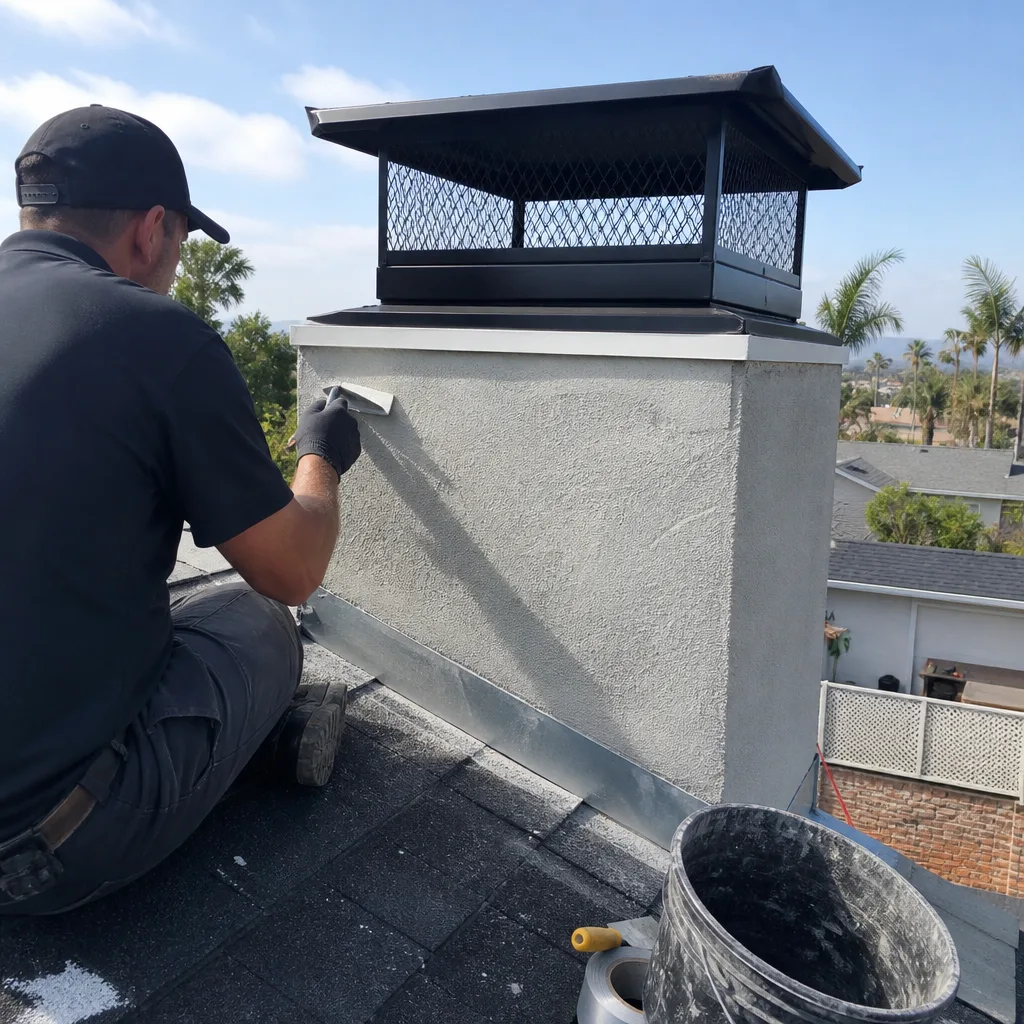
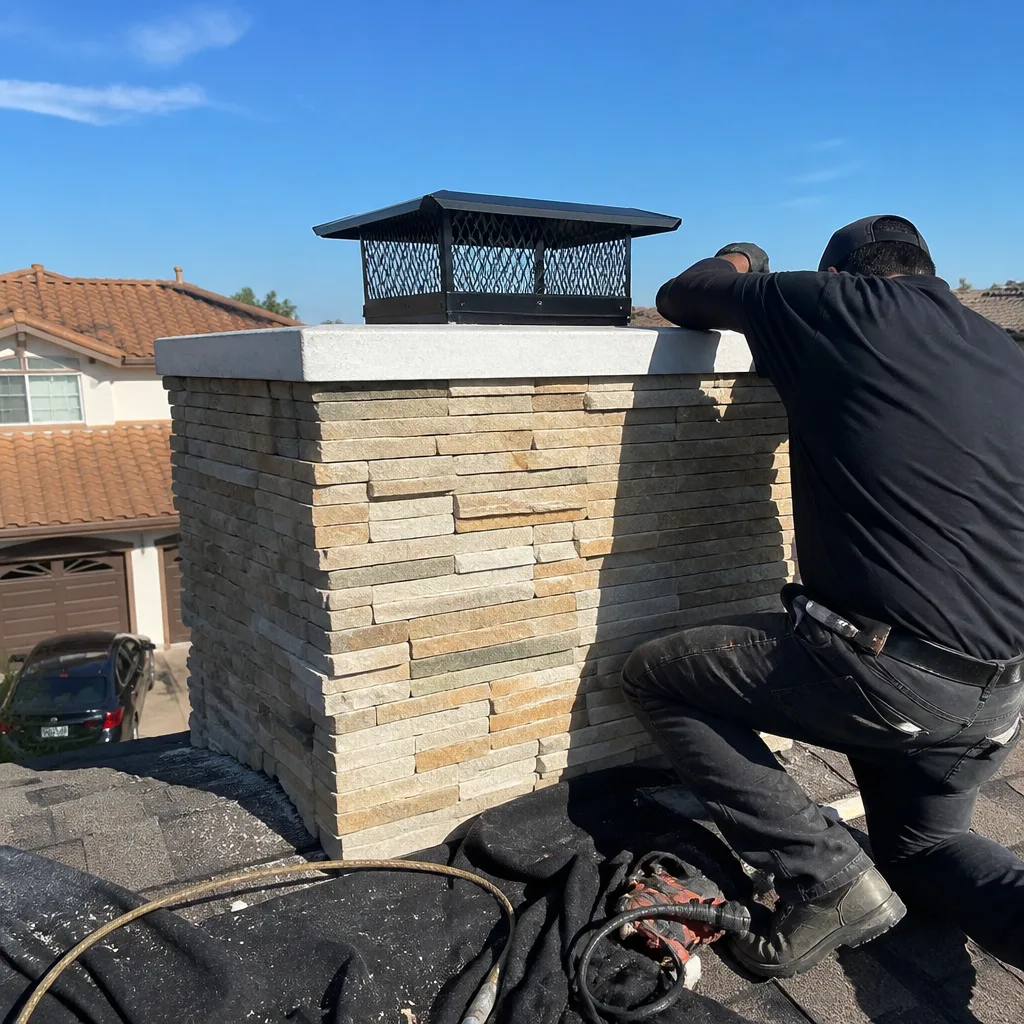
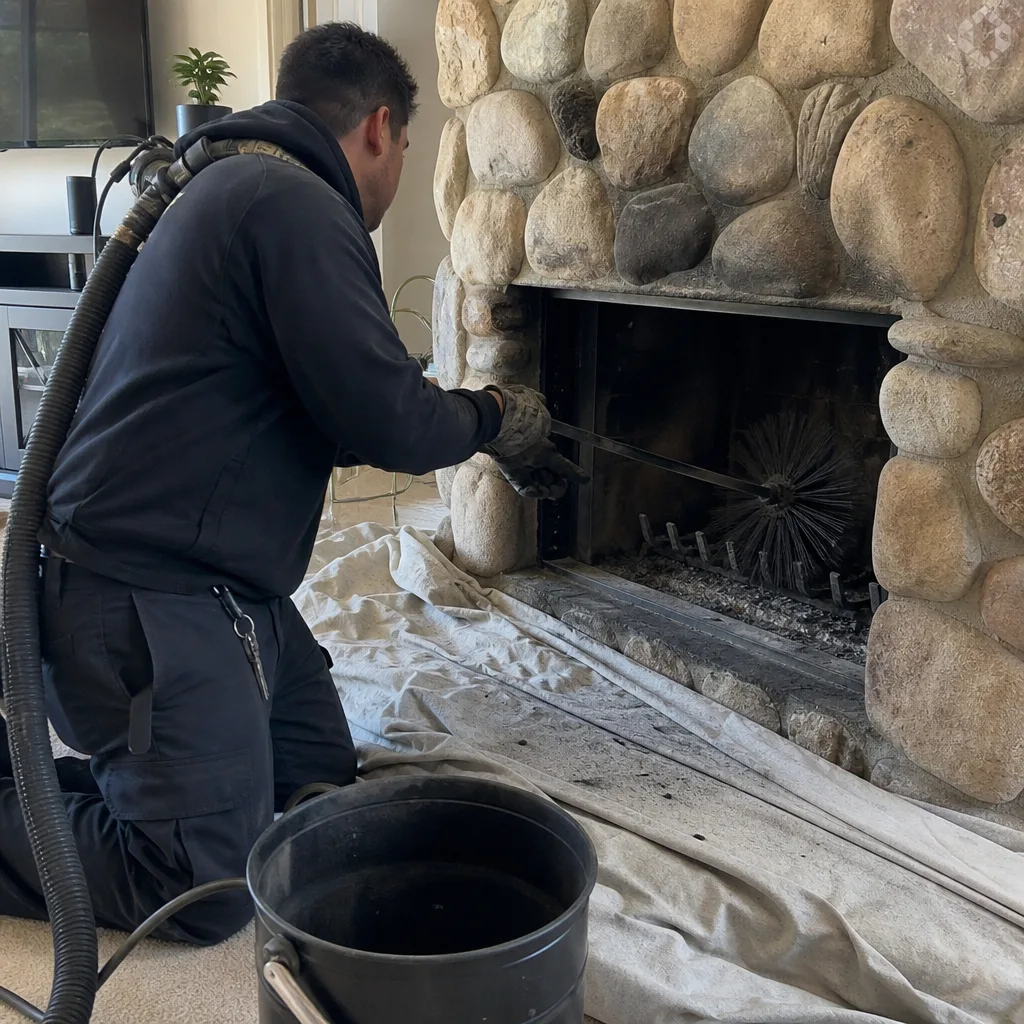
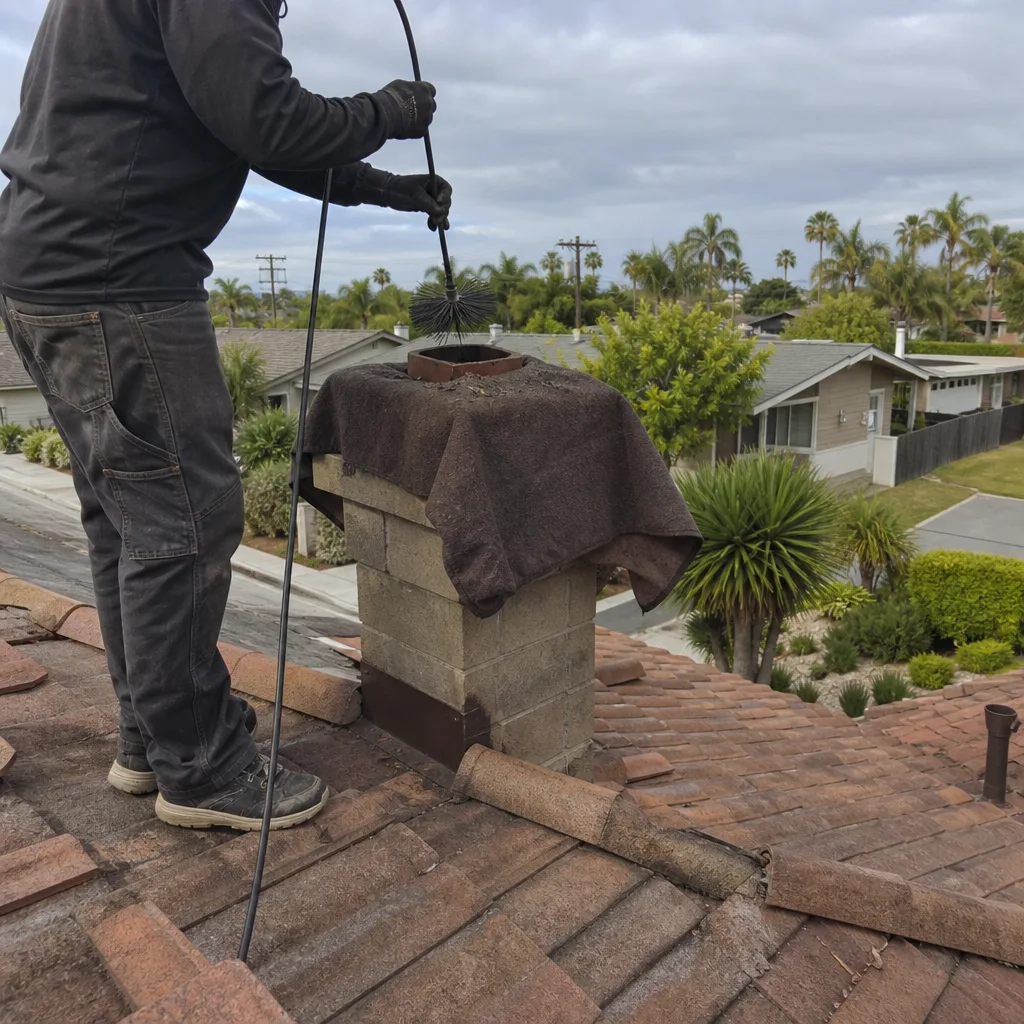
Level 1 sweep and inspection to the NFPA 211 annual standard - flue, crown, cap, and flashing checked and photographed
Chimney sweep logs do not sweep chimneys. They loosen some creosote - which then falls where a brush and vacuum still have to collect it.
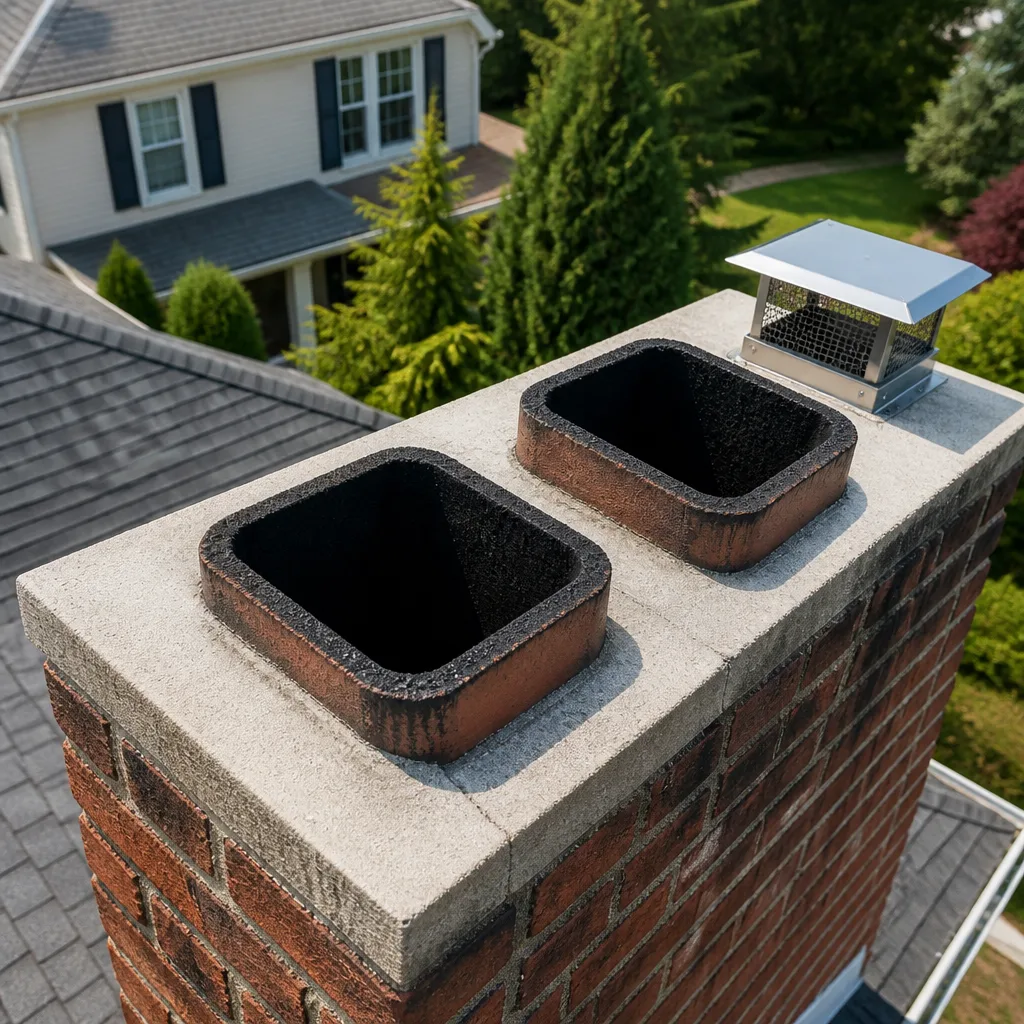
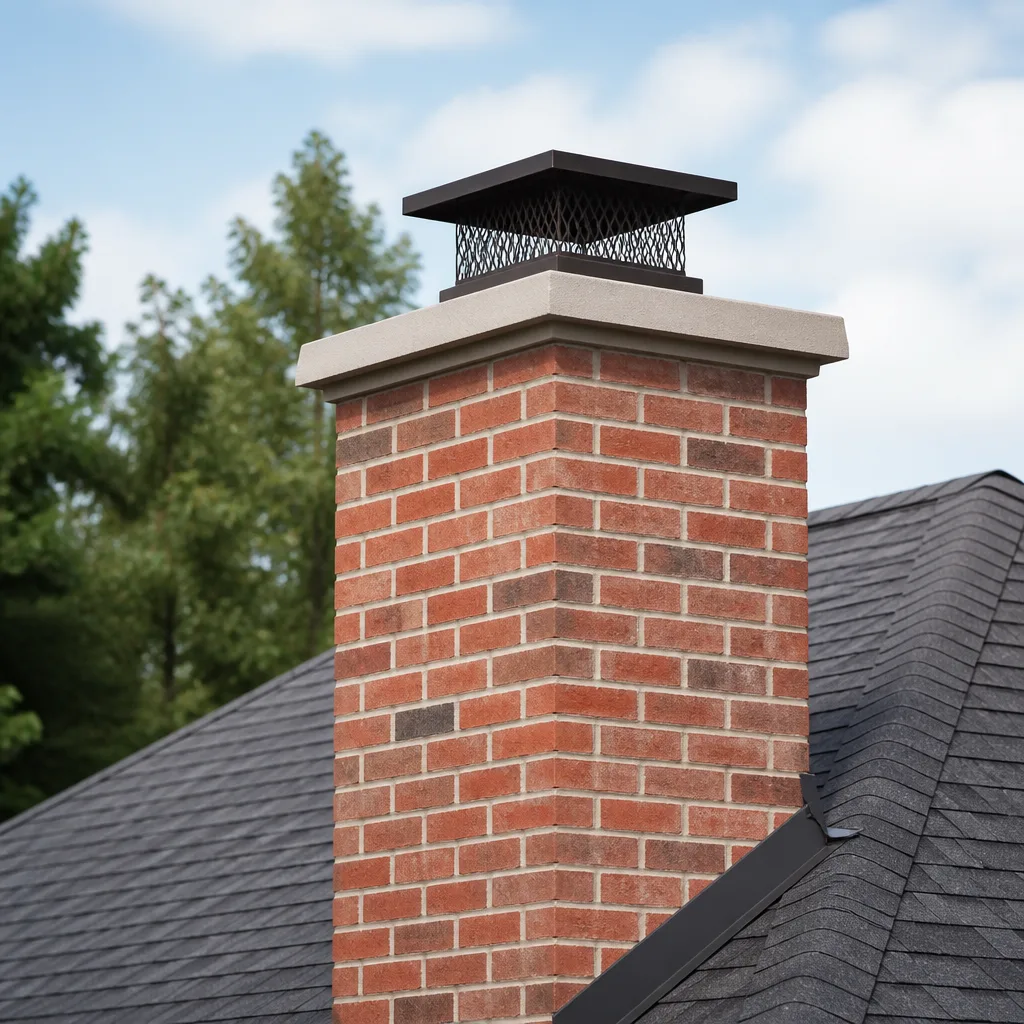
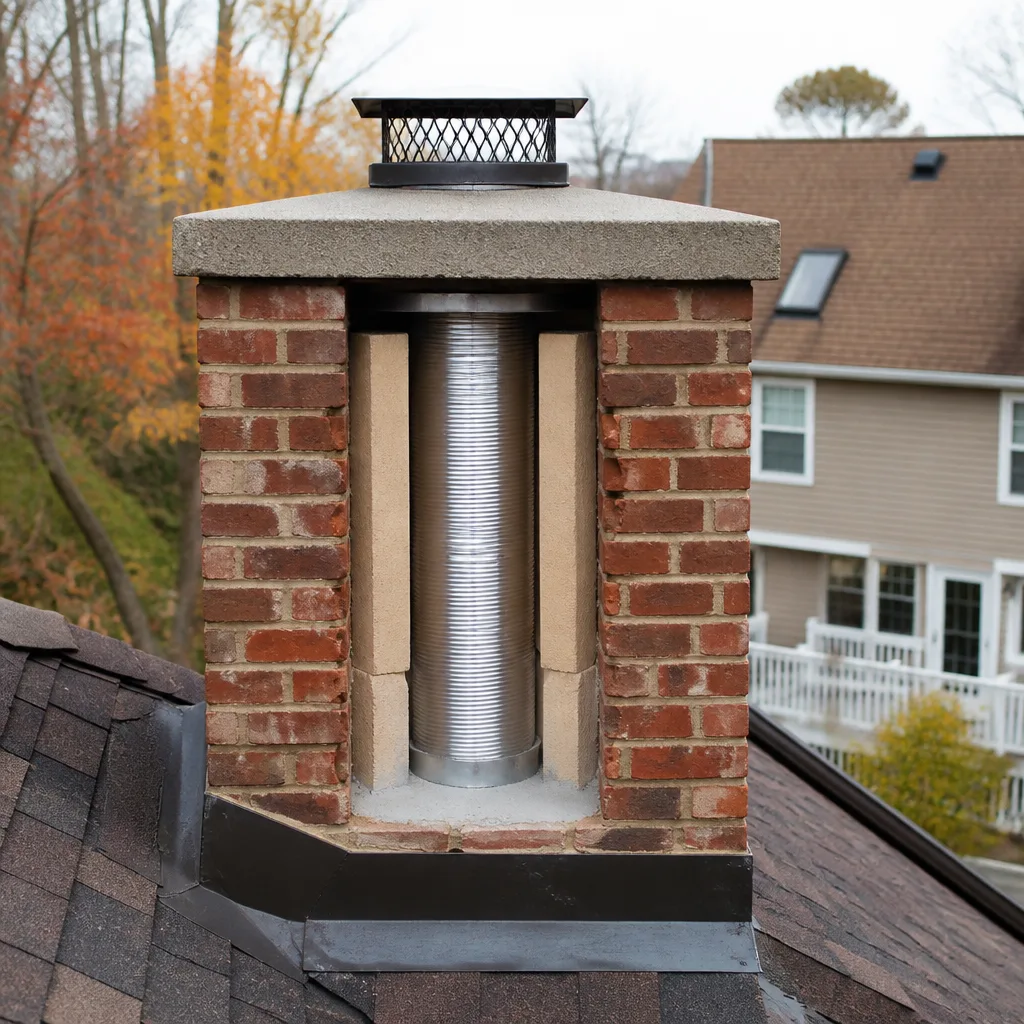
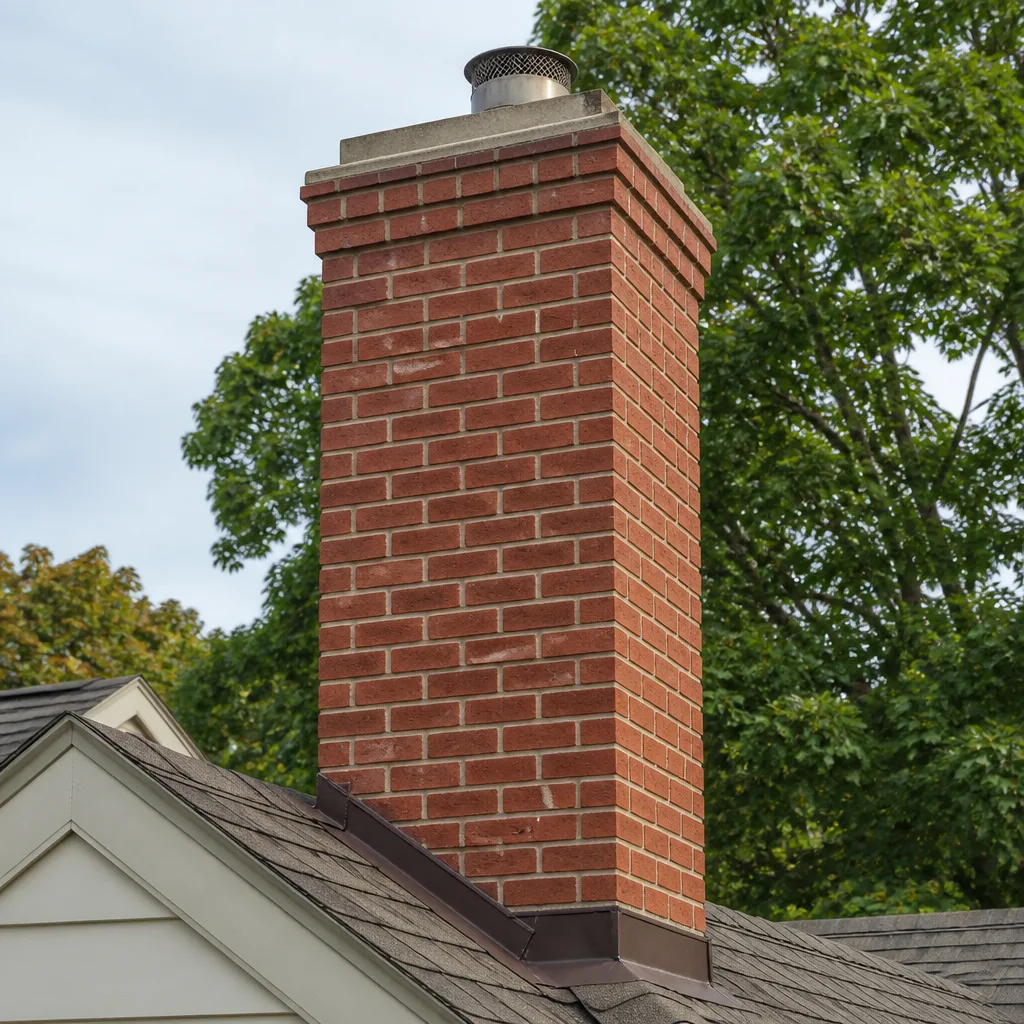
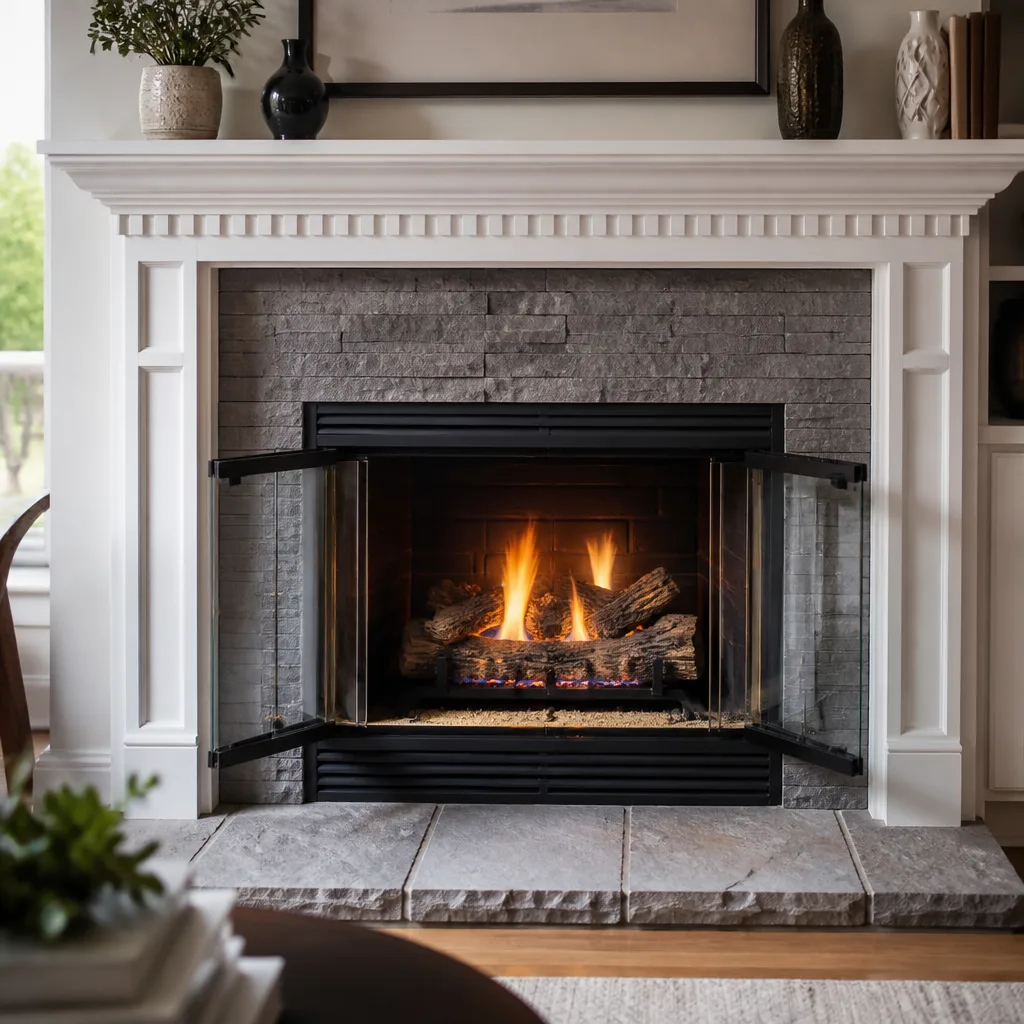
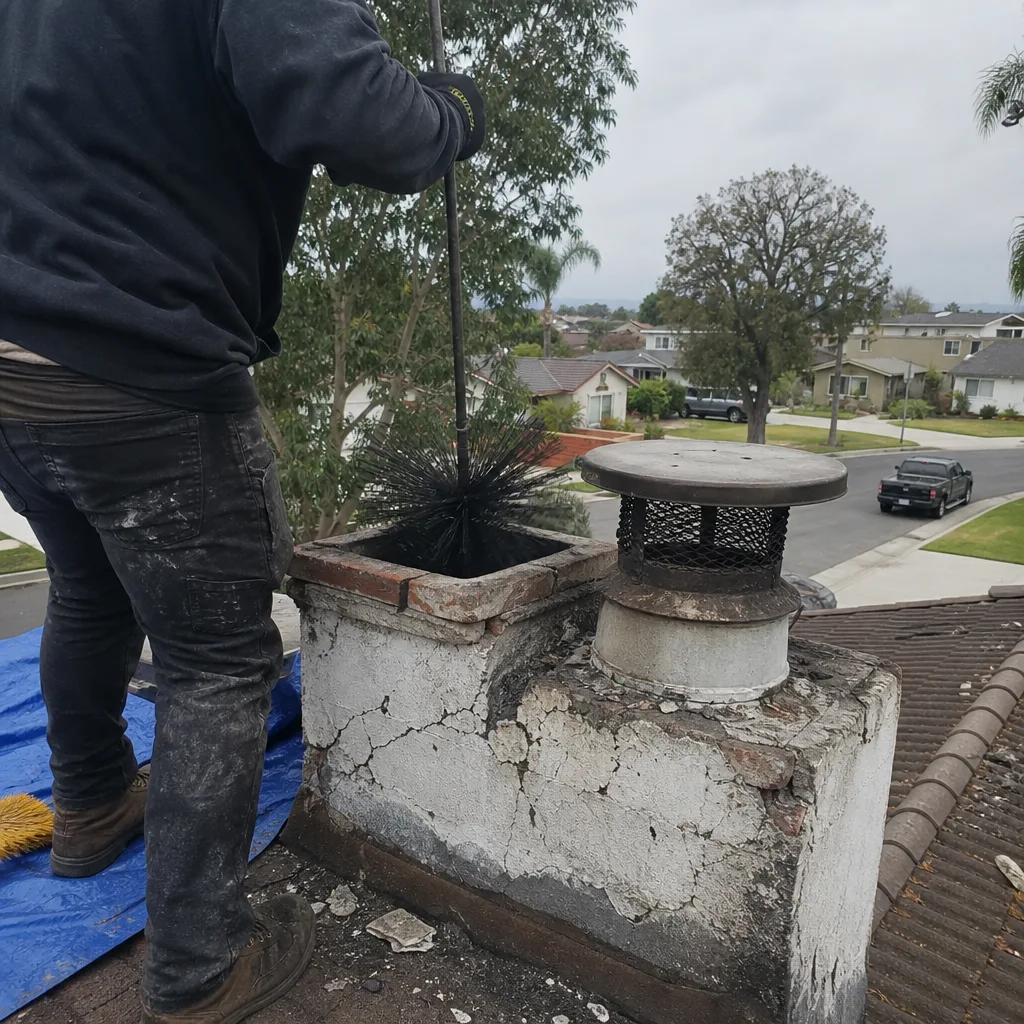 Before
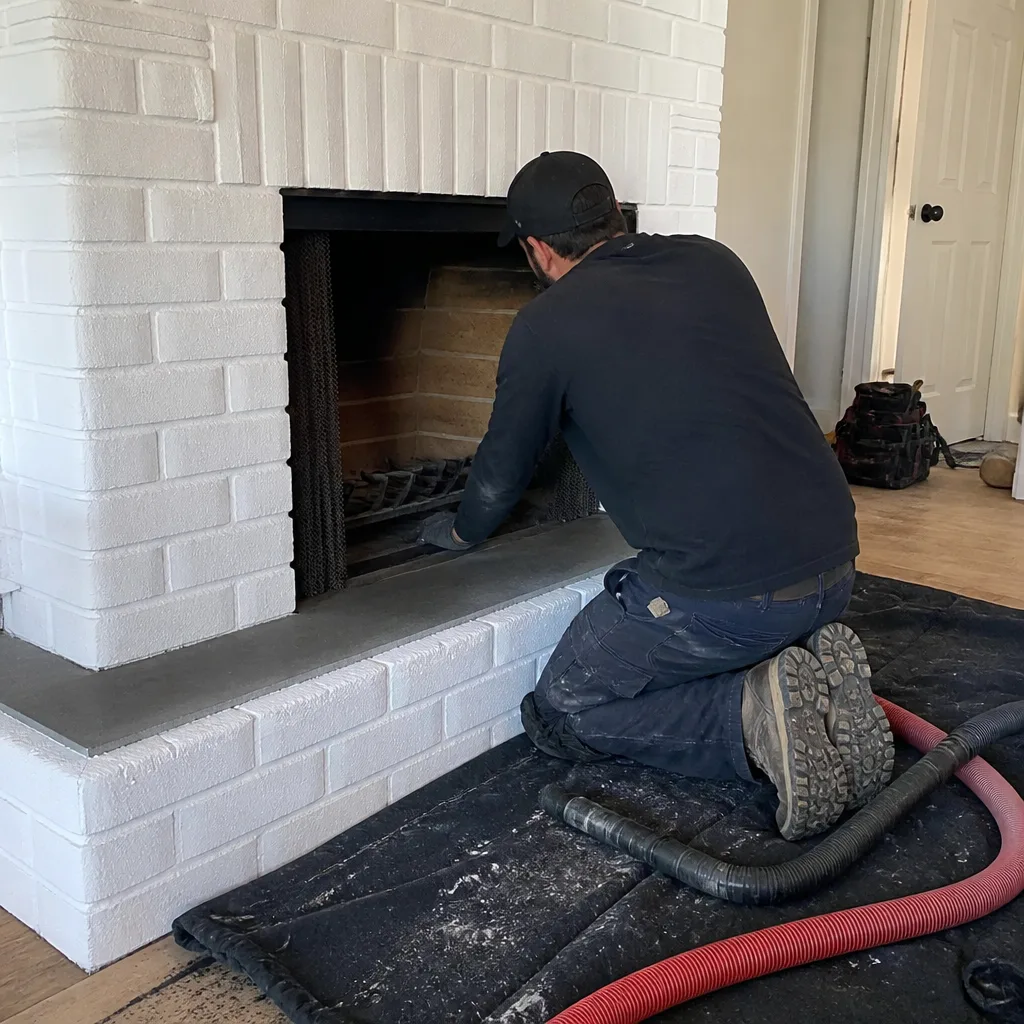 After
After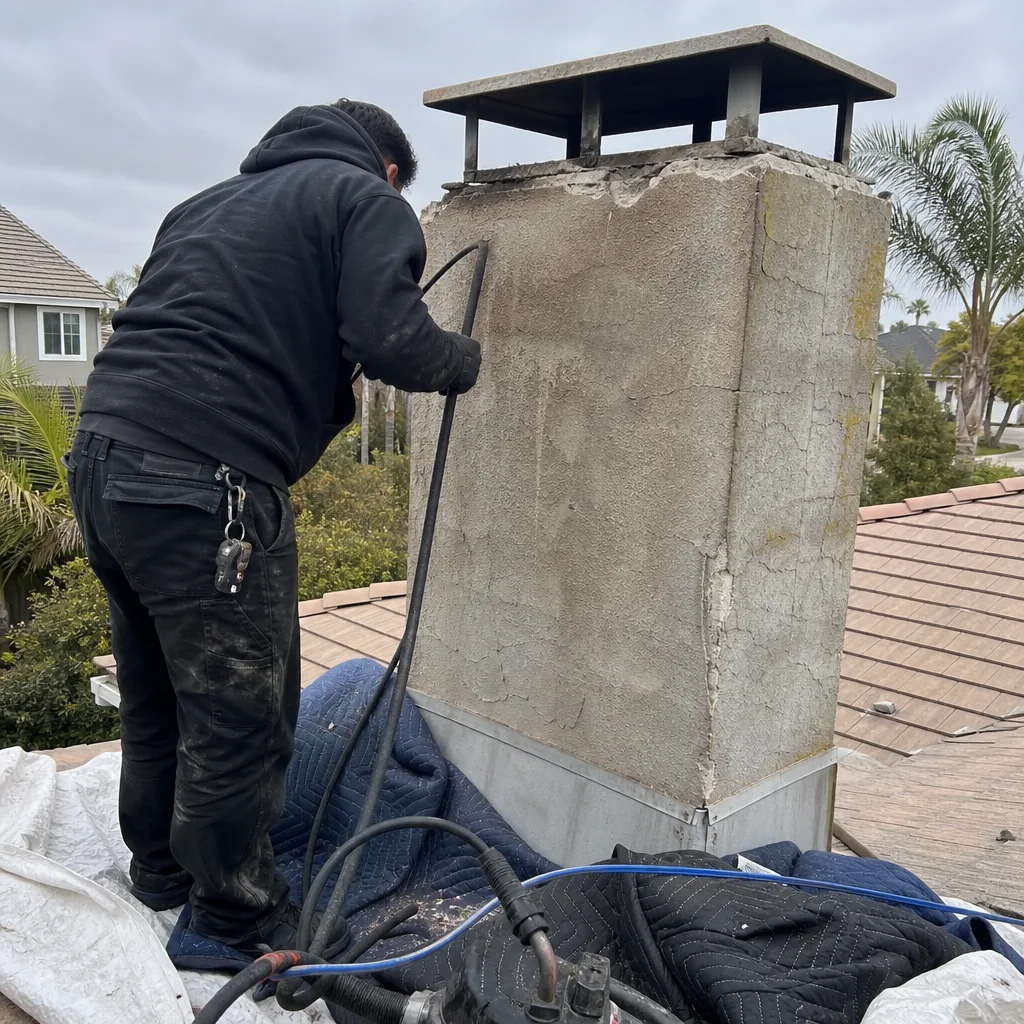 Before
 After
After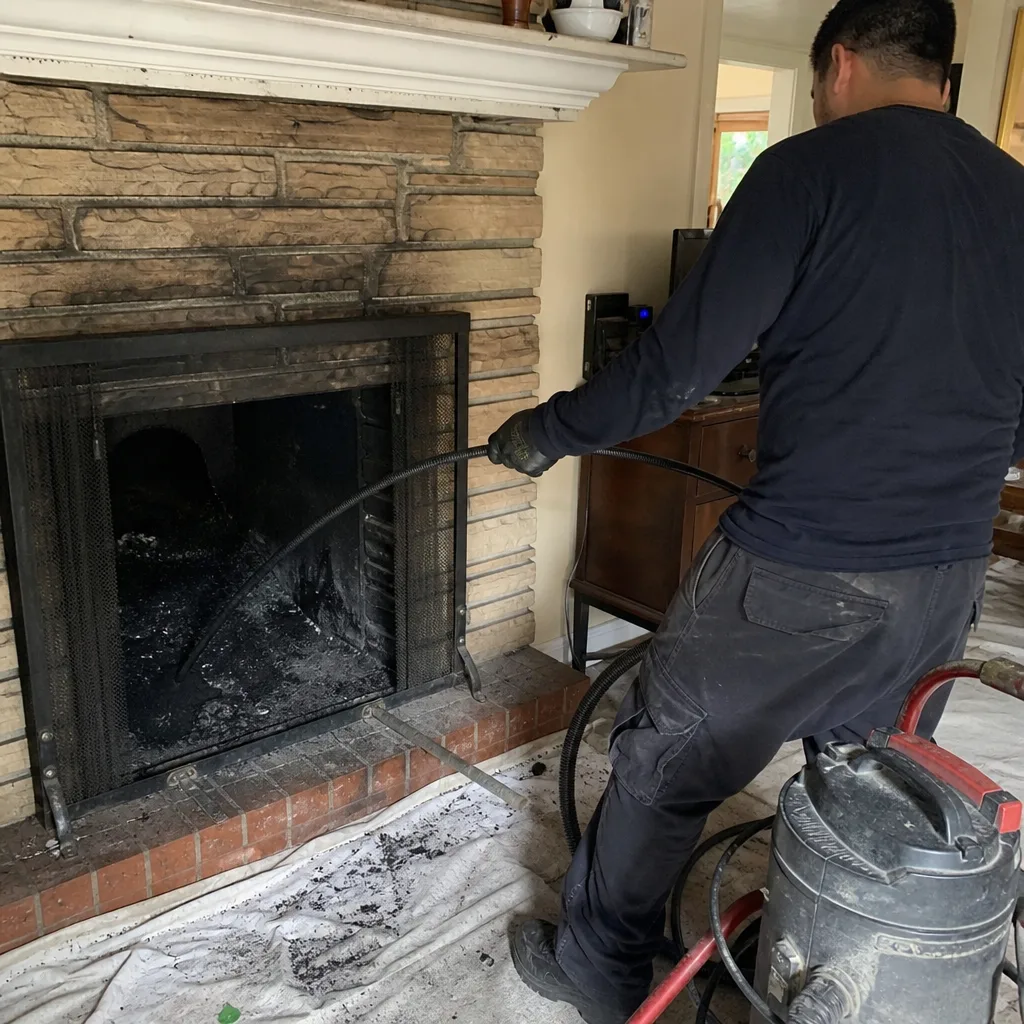 Before
 After
AfterChimney Cleaning Permits, Codes & Inspections in CA: What You Need to Know
Here’s the counterintuitive truth most Huntington Beach homeowners learn the hard way: a routine chimney cleaning requires zero permits, but the moment your sweep spots a cracked flue liner and recommends a repair, you’ve crossed into permitted-work territory. Proceed without a City of Huntington Beach building permit, and your fire-damage coverage can be voided when you need it most. California’s chimney regulatory framework is split across three overlapping authorities - Title 24 energy code, NFPA 211 fire safety standard, and local jurisdictions like Huntington Beach - and most homeowners only discover the gaps when an insurance claim or escrow inspection surfaces a violation. Our Complete Guide to Chimney Cleaning in Huntington Beach maps which authority governs which situation, so nothing gets missed at the wrong moment.
Quick Answer
Routine chimney cleaning and sweeping in California does not require a building permit. However, chimney repairs involving structural modification, liner replacement, or crown rebuilding do require permits under most local jurisdictions, including the City of Huntington Beach. NFPA 211 Level 2 camera inspections are mandatory after chimney fires, property transfers, and fuel-type changes, and California insurers increasingly require written documentation of these inspections - not verbal reports - to maintain coverage validity.
Table of Contents
- When Chimney Cleaning Needs No Permit (and When It Suddenly Does)
- How Title 24 and NFPA 211 Actually Overlap in California
- City of Huntington Beach Permits: Exact Thresholds
- What California Insurers Mean by ‘Written Documentation of Inspection’
- The HOA Dimension: CC&Rs That Override City Code
- How to Pull a Chimney Permit History in Huntington Beach
- NFPA 211 Level 2 Inspection: What Triggers It and What It Covers
- Common Mistakes to Avoid
- When to Call a Professional
- Frequently Asked Questions
- The Bottom Line
BeforeAfterWhen Chimney Cleaning Needs No Permit (and When It Suddenly Does)
A standard chimney sweep - removing creosote, checking for obstructions, and documenting flue condition - is classified as maintenance, not construction. No permit required. This holds true across California, from Huntington Beach to Eureka.
The line blurs fast. These maintenance activities stay permit-free:
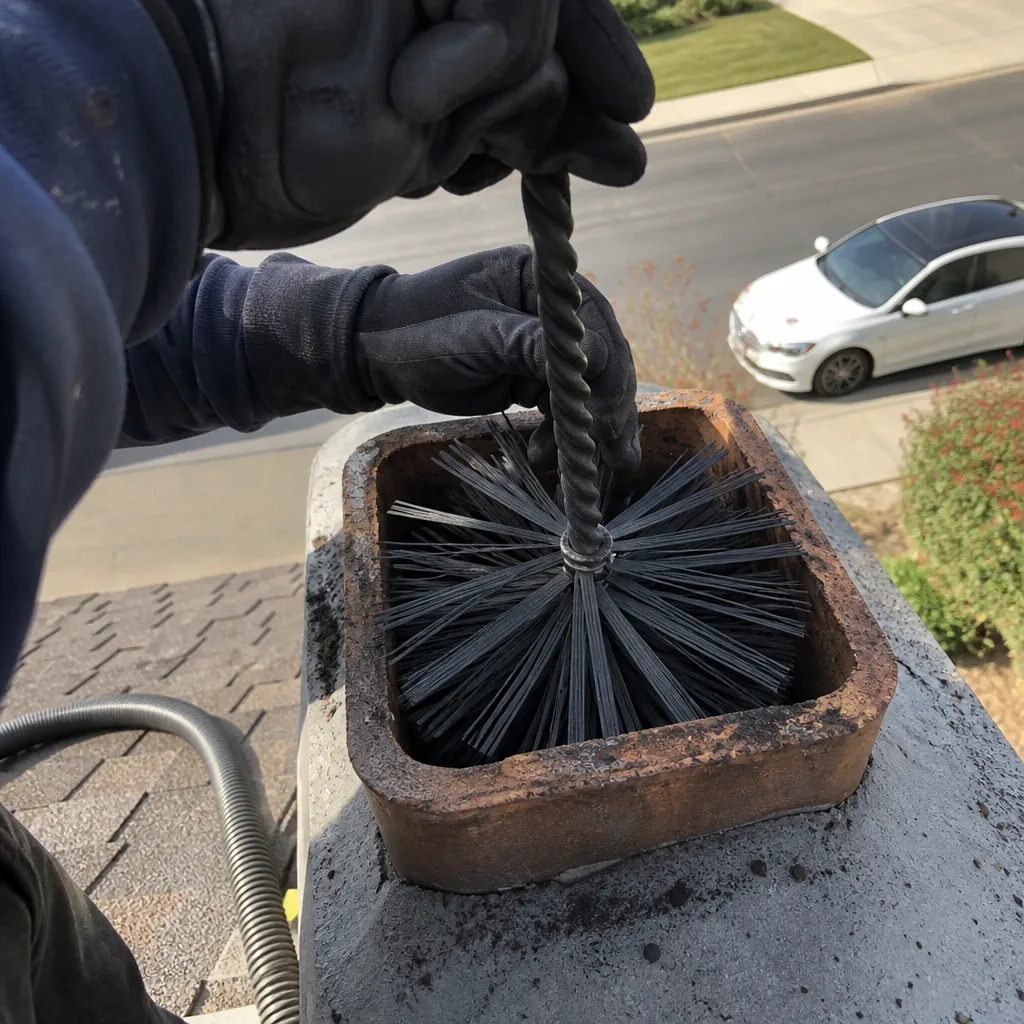
- Mechanical brushing of the flue to remove Class I or II creosote buildup
- Smoke chamber parge coating with approved refractory materials (under 1/4 inch thickness)
- Chimney cap replacement with like-for-like dimensions and materials
- Firebox brick tuckpointing where no structural elements are modified
- Damper repair or replacement within existing throat opening
Cross into any of this, and you’re in permit territory:
- Flue liner replacement or relining with stainless steel, aluminum, or cast-in-place systems like HeatShield
- Crown rebuilds or pours that alter chimney height or dimensions
- Smoke chamber modification (parging beyond 1/4 inch, or altering throat geometry)
- Chimney extension or reduction in height
- Exterior chase reconstruction, including stucco, siding, or framing changes
- Installation of factory-built chimney systems or inserts
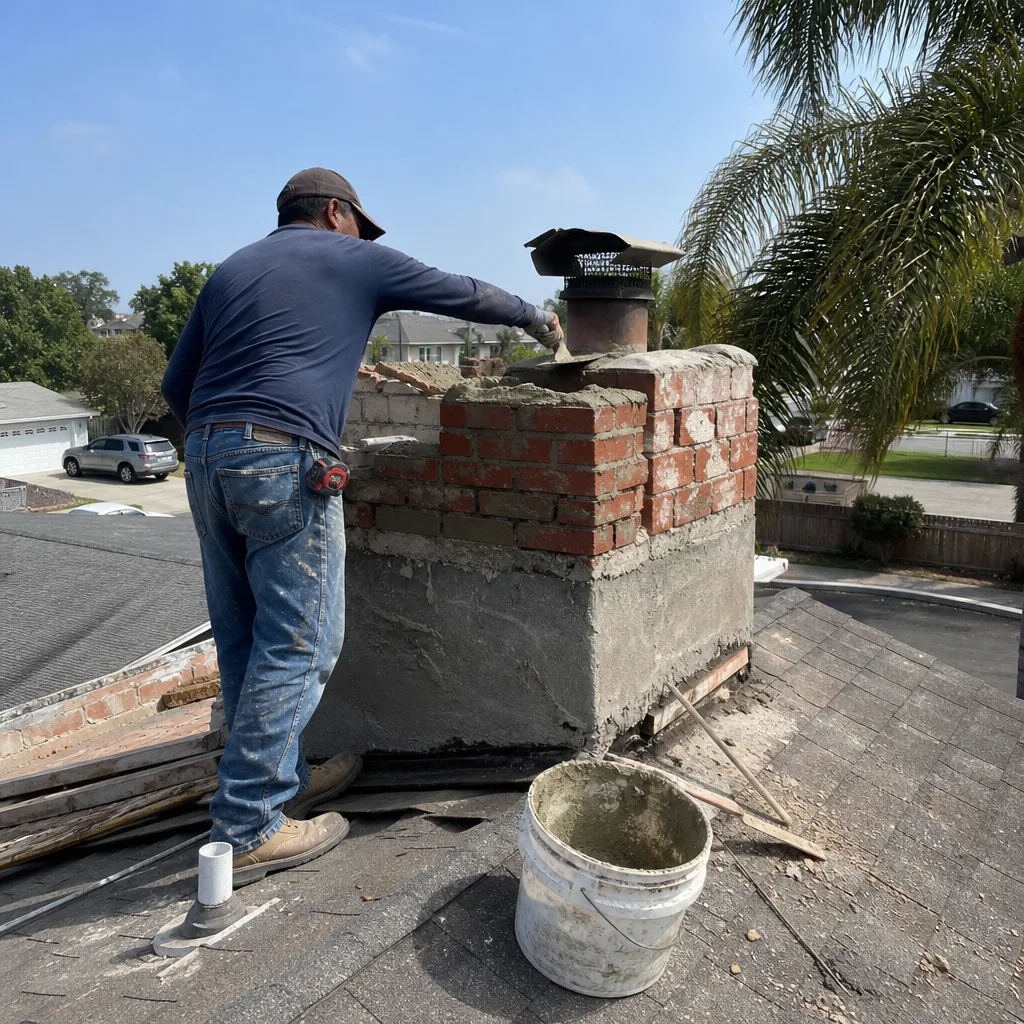
Here’s where Huntington Beach homeowners get caught. The coastal climate here - salt air, morning fog, thermal cycling from afternoon sun - accelerates crown deterioration and liner corrosion. We’ve seen chimney cleaning warning signs like Class III glazed creosote (the hardened, tar-like deposit that requires chemical treatment before mechanical removal) progress from minor to severe in a single burning season because the crown crack that let moisture in went unaddressed. The sweep finds the crack, recommends a crown rebuild, and the homeowner assumes it’s all part of the cleaning. It’s not. That crown rebuild needs a City of Huntington Beach building permit, and proceeding without one creates a documentation gap that insurers exploit.
Our practice since 2009: every Chimney Cleaning & Sweep in Huntington Beach includes a camera-scan inspection. When we find permit-triggering conditions, we flag them immediately, explain the permit requirement, and provide a written scope and price before any work begins - Haven Standard Clause 1. The customer knows exactly where maintenance ends and permitted construction begins.
How Title 24 and NFPA 211 Actually Overlap in California
California Title 24, Part 6 - the energy code - and NFPA 211, the National Fire Protection Association’s chimney standard, operate in parallel. They intersect at specific trigger points that homeowners rarely anticipate.
Title 24 governs energy efficiency in new construction and substantial alterations. For chimneys, this means:
- New construction must include chimney dampers that seal tightly when the fireplace is not in use
- Factory-built fireplaces must meet EPA Phase II emission standards
- Chimney penetrations through conditioned space must meet insulation and air-sealing requirements
- Wood-burning devices in new construction in specific air quality districts face additional restrictions
NFPA 211 governs fire safety, construction, and maintenance. It defines three inspection levels:
- Level 1: Visual inspection of readily accessible portions - the standard annual sweep check
- Level 2: Camera-scan inspection of internal surfaces, plus accessible exterior components - required after chimney fires, property transfers, fuel changes, or weather/earthquake events
- Level 3: Invasive inspection requiring demolition of building components - rare, triggered by Level 2 findings suggesting hidden hazards
The overlap: Title 24’s definition of “substantial alteration” can trigger NFPA 211 Level 2 requirements even when the homeowner only intended maintenance. In Huntington Beach, replacing a factory-built fireplace insert with a higher-efficiency model often triggers both Title 24 compliance verification and NFPA 211 Level 2 inspection. The installer must document that the new unit meets California emission standards AND that the chimney flue is properly sized for the new appliance - a camera-scan measurement, not a flashlight guess.
We’ve documented this intersection repeatedly since 2009. In the Huntington Beach neighborhoods near the Bolsa Chica wetlands - where older 1970s tract homes with original metal zero-clearance fireplaces are common - we’ve performed hundreds of Level 2 inspections where insert upgrades revealed undersized flues or deteriorated connector pipes invisible from the firebox. The Title 24 compliance check caught the efficiency standard; the NFPA 211 Level 2 caught the safety hazard. Neither alone would have told the complete story.
City of Huntington Beach Permits: Exact Thresholds
The City of Huntington Beach Building & Safety Division applies the California Building Code with specific local amendments. For chimneys, the permit threshold is clear on paper, murky in practice.
No permit required:
- Chimney sweeping and cleaning (mechanical creosote removal)
- Cap replacement with identical dimensions and material
- Fireplace door installation (non-structural, decorative)
- Minor tuckpointing of firebox mortar joints (under 25% of total joint length)
Permit required - typically over-the-counter:
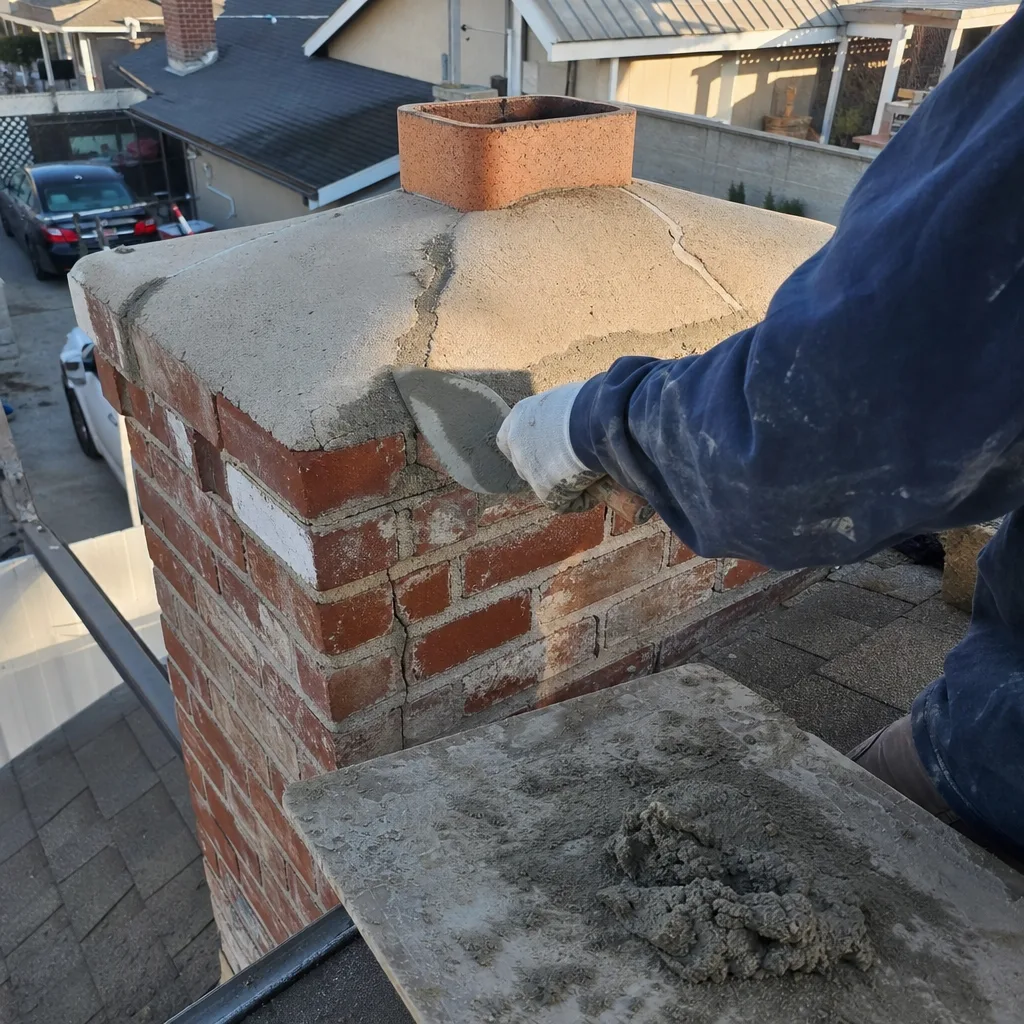
- Crown repair or rebuild (any pour or formwork)
- Flue liner installation, relining, or repair
- Chimney cap installation that alters height or spark-arrestor specifications
- Damper replacement that modifies throat opening dimensions
Permit required - plan check and inspection:
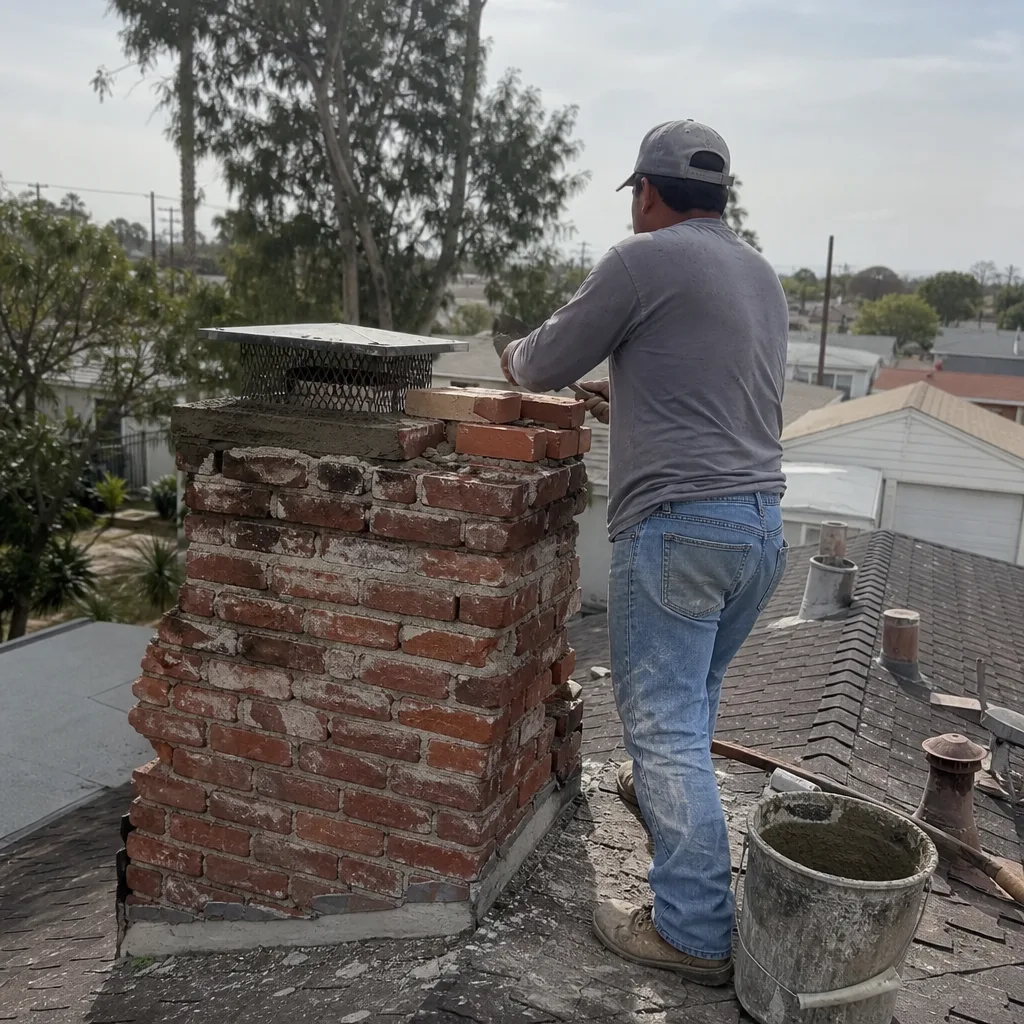
- Chimney rebuild or structural modification
- Factory-built chimney system installation
- Chase reconstruction or exterior modification visible from street
- Any work in a designated historic district or with design review requirements
Huntington Beach adds a coastal-specific layer. Properties in the Coastal Zone - roughly west of Pacific Coast Highway and specific inland pockets - may require additional Coastal Development Permit review for exterior chimney modifications visible from public areas. We’ve encountered this in the Huntington Harbour area and specific beachfront condo complexes where chimney chase redesign triggered design review despite being purely maintenance-driven.
The practical threshold most homeowners miss: any work that requires scaffolding on the roof for more than cleaning typically involves permit-triggering scope. If your sweep needs to set up scaffolding to access the crown, they’re likely performing work that needs documentation.
Our process: when we identify permit-required work during a Chimney Repair in Huntington Beach, we provide two written scopes - one for the permit-exempt cleaning, one for the permitted repair - with separate pricing. The customer sees exactly what requires city involvement and what doesn’t. No surprises at escrow or claim time.
What California Insurers Mean by ‘Written Documentation of Inspection’
California’s insurance market has hardened significantly for fire-prone areas. Even in coastal Huntington Beach, where wildfire risk is lower than inland Orange County, underwriters are scrutinizing chimney documentation with increasing rigor. The phrase “written documentation of inspection” appears in more policy endorsements and renewal questionnaires each year.
Here’s what it actually means, and what it excludes:
Required - satisfies “written documentation”:
- Dated inspection report with company letterhead, technician name, and license information
- Clear statement of inspection level (Level 1, 2, or 3 per NFPA 211)
- Description of inspection methodology (visual, camera-scan, etc.)
- Findings documented with specificity - not “chimney looks good” but “flue liner: 6-inch round stainless, no visible cracks or gaps; crown: minor hairline cracking, no water intrusion observed”
- Photo documentation of internal and external conditions
- Recommendations with priority classification (immediate, near-term, monitoring)
- Customer signature acknowledging receipt
Not sufficient - common but rejected by underwriters:
- Verbal report from sweep (“he said it looked fine”)
- Handwritten receipt with only “chimney cleaned - $199”
- Email or text message without formal report structure
- Company checklist with checkmarks but no narrative findings
- Photo-only delivery without interpretive documentation
The camera-scan photo record is the critical differentiator. Since 2009, we’ve included this as standard on every job - Haven Standard Clause 4. When a Huntington Beach homeowner’s insurer requests documentation, we provide the dated report, the technician’s findings, and the video/photo archive with timestamps. In our experience, insurers specifically ask whether the inspection included “internal camera evaluation” - they’re learning to distinguish flashlight looks from documented scans.
One specific scenario we’ve encountered repeatedly: homeowners in the Seacliff neighborhood with older masonry fireplaces receive renewal questionnaires asking for “evidence of annual chimney inspection.” Those who provide our Level 2 reports with photo documentation pass through underwriting without issue. Those who provide cleaning receipts or verbal assurances face additional scrutiny, higher premiums, or coverage restrictions.
The HOA Dimension: CC&Rs That Override City Code
Huntington Beach planned communities operate under a layer many homeowners discover too late. Covenants, Conditions & Restrictions (CC&Rs) can impose chimney requirements stricter than city code, and violation can result in fines or forced remediation independent of any building department action.
We’ve documented CC&R provisions in Huntington Beach communities that govern:
- Chimney cap material and finish: Specific communities near Central Park require copper or bronze-finished caps visible from common areas; galvanized steel or black painted caps are prohibited regardless of code compliance
- Exterior chase cladding: Stucco color matching, siding material restrictions, or prohibition of certain synthetic chase covers in favor of masonry or specified metal finishes
- Spark arrestor mesh size: Tighter than NFPA 211 minimums (1/2 inch) in high-density developments near open space
- Chimney height relative to roofline: Stricter than code minimums for aesthetic uniformity in planned unit developments
- Prohibition of specific appliance types: Wood-burning restrictions stricter than South Coast Air Quality Management District requirements
The enforcement mechanism matters. City code violations are enforced by Building & Safety with permit holds and correction notices. CC&R violations are enforced by HOA boards with fines, liens, and in some cases, mandatory remediation contracts. We’ve seen Huntington Beach homeowners complete fully permitted, code-compliant chimney repairs, then receive HOA violation notices because the cap finish didn’t match community standards.
Our protocol: before recommending materials for any exterior-visible chimney work in a planned community, we ask the homeowner to verify CC&R requirements. We source materials from Copperfield, Gelco, and other suppliers through our Haven buying network specifically to accommodate these restrictions without inflating prices. A copper cap from our standard supplier costs less than the emergency replacement ordered after an HOA violation notice.
How to Pull a Chimney Permit History in Huntington Beach
Prior unpermitted work is a ticking bomb. It surfaces at the worst moments - sale escrow, insurance claim, or neighbor complaint. The City of Huntington Beach maintains permit records accessible to property owners and authorized representatives, and knowing how to read them reveals what previous owners hid.
Step-by-step permit history request:
- Identify the property: You’ll need the APN (Assessor’s Parcel Number) or exact street address. The APN is more precise for older properties with address changes.
- Submit request to Building & Safety: Visit the City of Huntington Beach Building & Safety Division at 2000 Main Street, or submit online through the city’s permit portal. There’s a nominal fee for printed records - typically $15-25 for a full history.
- Specify scope: Request “all permits issued for chimney, fireplace, or heating appliance work” rather than general building permits. The clerks can filter, but specific requests reduce omissions.
- Review for gaps: Compare permit dates against visible work. A 2015 kitchen remodel permit with no corresponding fireplace permit, but a clearly modified fireplace, suggests unpermitted chimney work.
- Request inspection records: Permits alone don’t confirm completion. Ask for final inspection sign-offs. An open permit from 2008 means work was never legally completed.
- Check for stop-work orders: These appear as separate enforcement records, not permit records. Ask specifically if any chimney-related enforcement actions exist.
What the records reveal:
- Original construction specifications (flue size, liner material, appliance listing)
- Permitted modifications with approved plans
- Inspection failures and corrections required
- Work completed without permits (visible as gaps where work clearly occurred)
- Contractor information for prior work (useful for warranty claims or defect tracing)
In Huntington Beach’s older neighborhoods - the original 1920s-1950s downtown core, the 1960s-70s tracts near Yorktown and Garfield - we’ve found permit histories revealing multiple unpermitted liner replacements, chase rebuilds after earthquake damage, and fireplace insert installations that were never inspected. Each represents potential coverage voids and safety hazards.
When we perform a Level 2 inspection and find evidence of unpermitted prior work, we document it in our report with specific recommendations. Sometimes the work was done well and simply needs retroactive permitting. Sometimes it reveals substandard materials - we’ve found automotive exhaust pipe used as “flue liner” in a 1980s unpermitted installation near Lake Park - that requires complete replacement.
NFPA 211 Level 2 Inspection: What Triggers It and What It Covers
NFPA 211 defines three inspection levels, but Level 2 is where most California homeowners need to focus. It’s the threshold between routine maintenance and documented evaluation, and it’s increasingly mandatory.
Mandatory triggers for Level 2 inspection:
- Property transfer (sale, purchase, or refinance with inspection requirement)
- Chimney fire or suspected fire event (even if extinguished quickly)
- Fuel type change (wood to gas, gas to wood, or addition of pellet appliance)
- Weather or seismic event causing visible damage or suspected internal damage
- Modification to appliance or chimney system (new insert, liner, or connector)
- Operation malfunction suggesting concealed damage (smoke backup, odor, performance change)
What Level 2 includes that Level 1 does not:
- Internal camera-scan of flue liner full length, from firebox to crown
- Inspection of accessible exterior - roof, attic, crawl space if reachable
- Clearance verification to combustibles where accessible
- Smoke chamber evaluation (the area above the damper, below the flue)
- Documentation with photo/video record
The camera scan is non-negotiable. A Level 2 without internal camera documentation is technically incomplete per NFPA 211. We’ve performed thousands in Huntington Beach since 2009, and the findings routinely contradict visual-only assessments. A flue that looks sound from the firebox can show spalling (surface flaking), cracked tiles, or gaps at joints visible only on camera.
California’s insurance underwriting evolution is pushing Level 2 toward standard practice even outside mandatory triggers. Several carriers now require Level 2 documentation for policies exceeding specific dwelling coverage thresholds, or for homes with wood-burning appliances regardless of location. Huntington Beach’s higher property values mean many homeowners cross these thresholds by default.
Our Fireplace Services in Huntington Beach include Level 2 inspection as standard for any property transfer or post-event evaluation. The documented photo record becomes part of the property’s permanent maintenance file - useful for future sales, claims, or warranty disputes. Materials for any necessary repairs come from our Haven buying network: DuraFlex stainless liners, HeatShield resurfacing systems, and other products specified to the documented condition.
Common Mistakes to Avoid
- Assuming a cleaning receipt satisfies insurance requirements. A receipt proves payment, not inspection quality. Insurers want the dated report with findings, methodology, and photo documentation - the full Level 2 record we provide under Haven Standard Clause 4.
- Proceeding with repair work based on a sweep’s verbal recommendation. Without written scope and price before work starts, you have no documentation if the repair fails or triggers disputes. Haven Standard Clause 1 exists specifically to prevent this.
- Ignoring CC&R requirements in Huntington Beach planned communities. We’ve seen fully code-compliant, permitted work forced into redo because the cap finish violated aesthetic covenants. Check CC&Rs before specifying materials.
- Failing to verify permit history before purchasing a home. The escrow inspection may catch active permits, but it rarely reveals unpermitted work from a decade prior. A $25 permit history request can save thousands in retroactive compliance.
- Confusing NFPA 211 Level 1 and Level 2. Annual cleaning with visual check is Level 1. Property transfers, fuel changes, and post-fire evaluations require Level 2 with camera scan. Using Level 1 documentation where Level 2 is required creates coverage gaps.
- Assuming coastal Huntington Beach has no fire risk. Salt air and thermal cycling create unique deterioration patterns - crown cracking, liner corrosion, spalling from moisture intrusion - that increase fire risk even without wildfire exposure. Annual inspection matters here too.
- Accepting “the previous owner said it was fine” as documentation. Verbal chains of custody evaporate under insurer scrutiny. Written records with company identification, technician name, and dated photo documentation are the only reliable evidence.
When to Call a Professional
Call a certified chimney professional when any mandatory Level 2 trigger applies - property transfer, fuel change, suspected fire event, or post-earthquake evaluation. Call when visible damage appears: crown cracks, brick spalling, rust stains on exterior masonry, or smoke backup during normal use. Call when your insurer requests documentation and your current records consist of cleaning receipts or verbal assurances.
Emberly Chimney Cleaners Huntington Beach offers free estimates in Huntington Beach - call (657) 427-5872. Every estimate includes a written scope, written price, and explanation of any permit requirements before work begins. Our background-checked, uniformed technicians arrive with license information displayed, and you’ll receive a text when your assigned tech is en route. We’ve completed more than 38,000 chimney inspections and cleanings since 2009, every one with written price before work started and documented record when done.
Frequently Asked Questions
No. Routine chimney cleaning and sweeping is classified as maintenance and does not require a City of Huntington Beach building permit. However, if the sweep discovers conditions requiring repair - cracked liner, deteriorated crown, or damaged smoke chamber - those repairs may trigger permit requirements depending on scope. Call (657) 427-5872 for a free estimate with written scope and permit guidance.
NFPA 211 Level 1 inspections typically range from $150-$250 in the Huntington Beach market, while Level 2 camera-scan inspections range from $300-$450 depending on chimney height, accessibility, and number of flues. Emberly Chimney Cleaners Huntington Beach includes a documented photo record with every inspection - Haven Standard Clause 4 - and provides a written price before any work begins. Call (657) 427-5872 for exact pricing on your specific chimney configuration.
A flue liner is mandatory under NFPA 211 for all masonry chimneys venting solid fuel or liquid fuel appliances, and California insurers increasingly deny claims where unlined or deteriorated chimneys contribute to fire spread. We recommend nothing without camera evidence you can see yourself. If the inspection shows cracked tiles, gaps at joints, or spalling that exposes combustible framing, replacement is not optional - it’s a safety requirement. If the liner shows minor surface wear with intact structure, we document it for monitoring and recommend re-inspection intervals. Call (657) 427-5872 for a Level 2 evaluation with documented findings.
NFPA 211 recommends annual inspection for all chimneys, with cleaning frequency determined by creosote accumulation. In Huntington Beach’s coastal climate, where salt air and moisture intrusion accelerate deterioration, we recommend annual Level 1 inspection at minimum, with Level 2 camera evaluation every 3-5 years for active wood-burning systems, or upon any property transfer - see our Chimney Cleaning & Sweep Maintenance Checklist for Huntington Beach Homeowners for the full schedule. Homes in neighborhoods near the beach - Huntington Harbour, Sunset Beach interface - may need more frequent evaluation due to accelerated crown and cap corrosion.
Skipped maintenance leads to creosote accumulation, which increases chimney fire risk and can produce carbon monoxide hazards from blocked or damaged flues. In Huntington Beach specifically, moisture intrusion through deteriorated crowns causes liner corrosion and masonry spalling that progresses faster than in inland climates. Insurance claims for fire or CO damage where maintenance was neglected face denial or reduction. The documented inspection record we provide protects your coverage validity. Call (657) 427-5872 to schedule before burning season.
No. California insurers require documentation from a qualified professional with appropriate licensing and insurance. Self-inspection carries liability exposure and provides no defensible documentation. NFPA 211 Level 2 inspections require specialized camera equipment and training to interpret findings - a flashlight and mirror from the firebox does not satisfy the standard. Our technicians are trained to NFPA 211 standards, background-checked, and uniformed, with license information displayed on every job.
Request a permit history from the City of Huntington Beach Building & Safety Division using your property’s APN or street address. Compare permit dates against visible modifications. Gaps between permitted work and observed conditions suggest unpermitted work that may void insurance coverage or create safety hazards. Emberly Chimney Cleaners Huntington Beach includes permit history guidance in our inspection reports when we identify evidence of prior unpermitted work. Call (657) 427-5872 for assistance.
The Bottom Line
California’s chimney regulatory framework demands attention to three overlapping authorities: Title 24 for energy efficiency, NFPA 211 for fire safety, and local jurisdictions like Huntington Beach for construction permitting. Routine cleaning stays permit-free, but repairs cross into regulated territory fast - and proceeding without proper documentation risks insurance coverage voids, escrow delays, and safety hazards. The homeowners who navigate this successfully maintain written inspection records with photo documentation, verify permit histories before purchase, and understand when CC&Rs impose requirements beyond city code. For more guides & resources, explore our blog. Emberly Chimney Cleaners Huntington Beach has operated under the Haven Standard since 2009, completing more than 38,000 inspections with written price before work, documented photo record after, and the 365-Day Done Right Promise on every job.
Written by Corrine Halstead, Owner at Emberly Chimney Cleaners Huntington Beach, serving Huntington Beach since 2009.